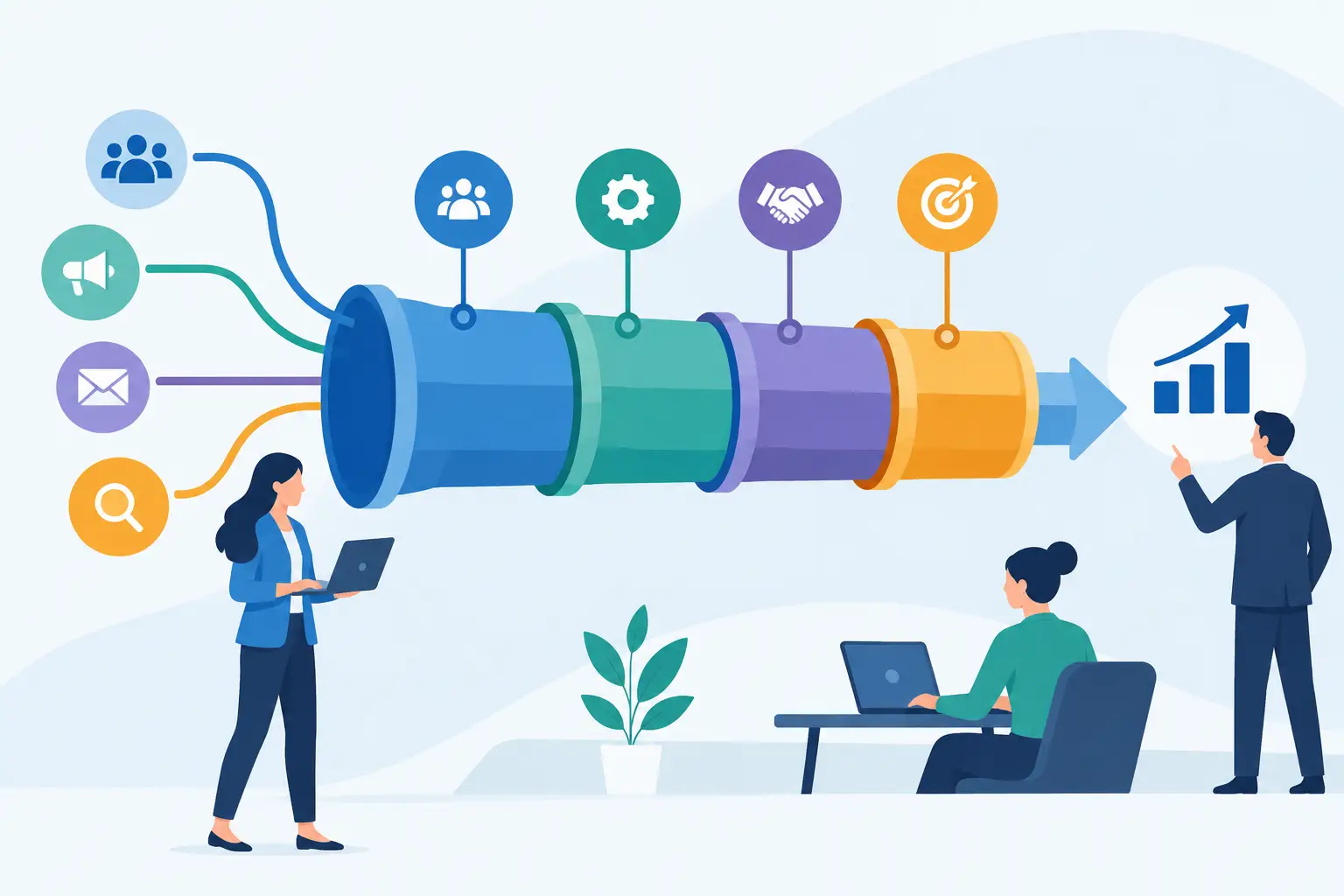
A rep with 80 calls left to make at 4:30 p.m. is not focused on discovery. They are focused on getting through a list. That is the operational gap at the center of cold calling vs AI dialing. The question is not whether calls still work in B2B. They do. The question is which calling model gives your sales team more qualified conversations without creating more management overhead, compliance risk, or wasted activity.
For sales leaders building predictable pipeline, the right answer is rarely a blanket replacement of people with software. It is a clear division of labor: use technology to increase relevant contact attempts and capture early interest, then put experienced sellers where judgment, discovery, and deal progression matter most.
Cold Calling vs AI Dialing: The Core Difference
Traditional cold calling relies on human SDRs or account executives to research prospects, dial manually or through a basic power dialer, deliver an opening, handle objections, qualify interest, and book the next meeting. The rep controls the conversation from beginning to end.
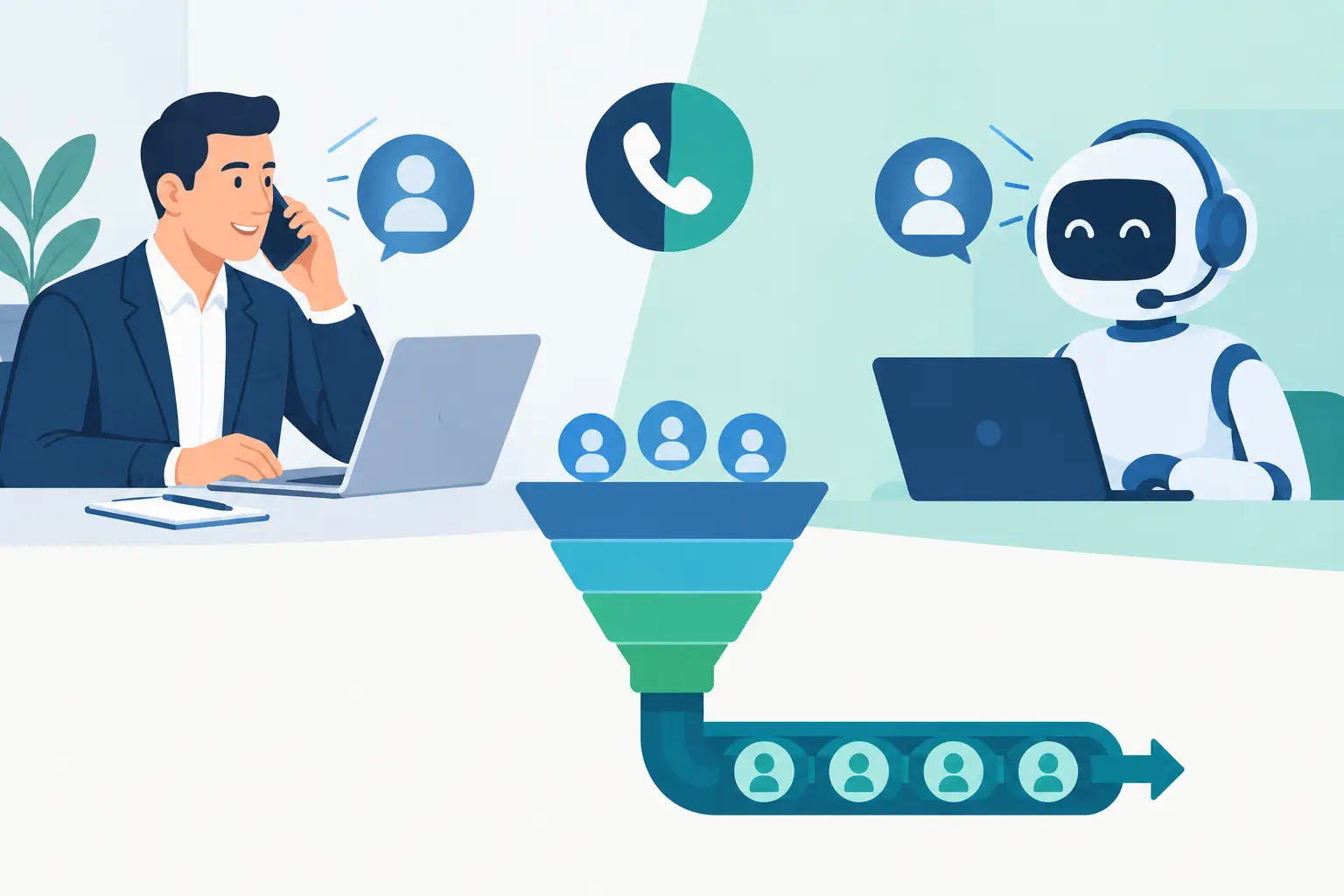
AI dialing changes the workflow. Depending on the platform, it may automate dialing, voicemail handling, call dispositioning, basic qualification, follow-up scheduling, or the entire first conversation through an AI voice agent. It can work through a defined prospect list far faster than a human team, follow approved messaging consistently, and push call outcomes into a CRM without manual data entry.
That distinction matters. A dialer that simply accelerates calling is not the same as a conversational AI agent. Sales leaders should evaluate both separately. Speed alone does not create pipeline. The system still needs accurate targeting, a relevant reason to call, clear qualification criteria, and fast handoff to a human when buying intent appears.
Where Traditional Cold Calling Still Wins
Human callers are strongest when the sale is complex, the buying committee is difficult to map, or the prospect needs to feel that the person on the other end understands their industry. This is common in enterprise IT, financial services, healthcare, logistics, and advisory-led services.
A capable SDR can hear hesitation, change direction, challenge an assumption, and connect a pain point to a business outcome in real time. They can also recognize when a prospect is not ready for a formal meeting but is worth nurturing because a budget cycle, contract renewal, or operational trigger is approaching.
Cold calling also gives sales leaders more control when messaging is still being tested. If a new offer is not producing conversations, an experienced team can identify whether the issue is the audience, positioning, objection handling, or call timing. That feedback is valuable, but it comes at a cost. Hiring, training, coaching, turnover, and inconsistent activity all make a purely human outbound motion expensive to scale.
The biggest mistake is using expensive closers for repetitive top-of-funnel work. Account executives should not spend hours validating titles, leaving voicemails, and chasing first responses. Their highest-value time is spent advancing qualified opportunities.
Where AI Dialing Creates an Advantage
AI dialing is built for throughput and consistency. It can make more contact attempts, run approved call flows without fatigue, document outcomes instantly, and trigger follow-up activity before a prospect goes cold. For companies with large, well-defined addressable markets, that efficiency can materially lower the cost of generating initial conversations.
It is especially effective when your ideal customer profile is clear. If you know the company size, vertical, geography, decision-maker roles, intent signals, and common buying triggers, AI can help operationalize outreach at scale. Instead of asking an SDR to sift through a broad database, you can prioritize accounts already showing relevant research behavior or market activity.
AI calling also reduces leakage between the first conversation and the sales calendar. A well-configured system can qualify against required criteria, capture the right information, schedule meetings, and log every interaction in the CRM. That creates better reporting on contact rates, qualification rates, appointment conversion, and pipeline contribution.
The advantage is not that AI sounds human enough to fool people. The advantage is that it handles repeatable early-stage work with discipline. Prospects still expect relevance. An automated call to the wrong person with a generic script is just a faster way to damage a brand.
The Trade-Offs That Determine ROI
The better option depends on your sales motion, data quality, and definition of a qualified meeting. A high-volume, lower-complexity offer may benefit heavily from AI dialing. A high-ticket solution with long sales cycles may need more human-led conversations from the first touch.
Before choosing a model, evaluate four operational questions:
- How precise is your targeting? AI amplifies the list it receives. Strong intent data and clean ICP filters improve results. Poor data scales irrelevance.
- What must happen before a meeting is booked? If qualification requires nuanced discovery, technical context, or multiple stakeholder signals, a human should enter earlier.
- How quickly can your team follow up? An interested prospect is not pipeline until someone responds, confirms fit, and advances the conversation.
- Can you measure meeting quality? Track held meetings, sales-accepted opportunities, opportunity creation, and revenue influence, not only appointments booked.
Compliance deserves equal attention. Calling rules vary by state, audience, call type, consent status, recording practices, and dialing technology. Any AI dialing program needs documented safeguards, approved calling windows, suppression processes, clear disclosure practices where required, and regular review by qualified legal and compliance teams. Automation does not reduce that responsibility. It increases the need for control because errors can occur at volume.
The Best Model Is Usually a Managed Hybrid
The strongest outbound programs do not frame this as people versus AI. They build a process that uses each resource where it performs best.
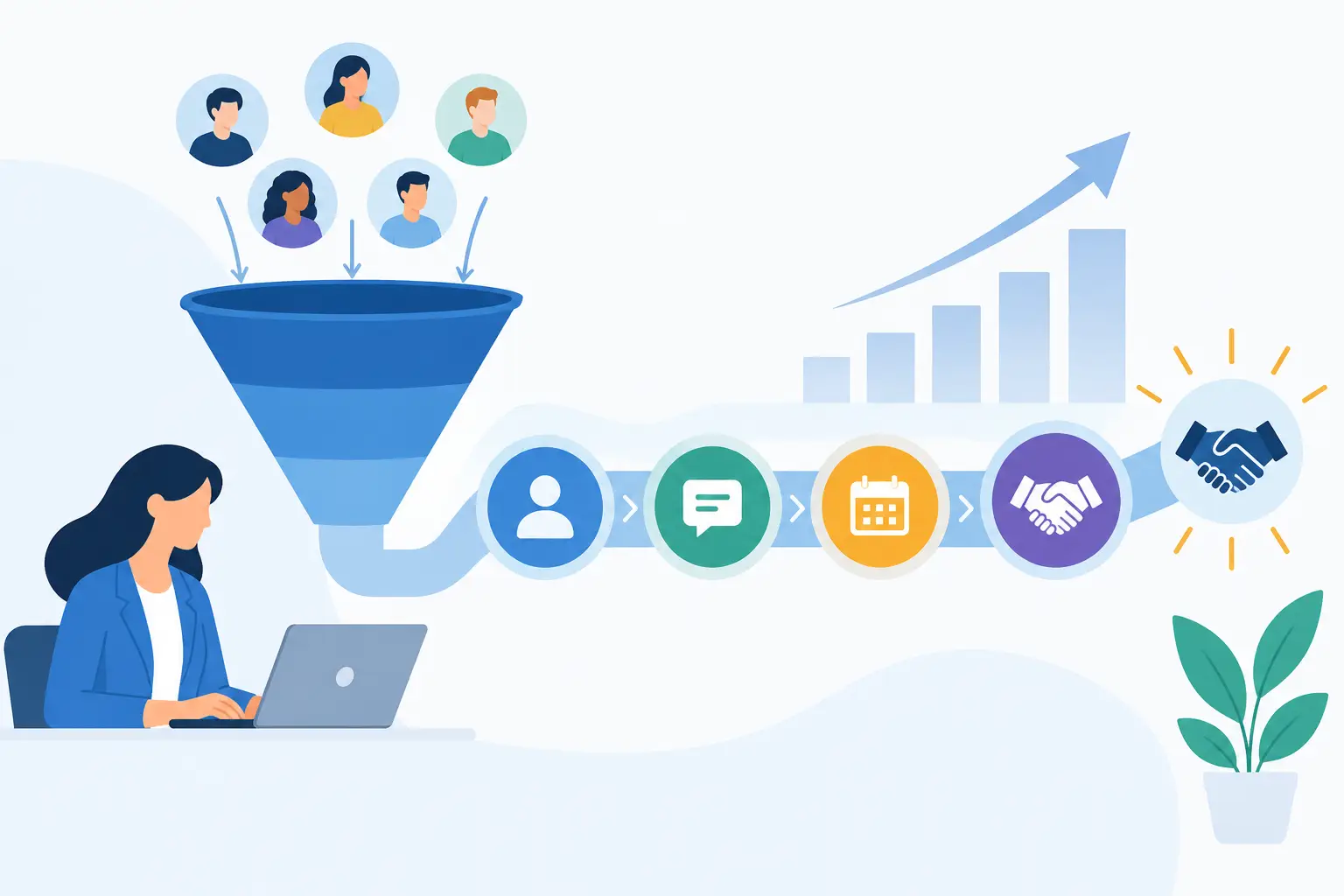
AI can prioritize in-market accounts, launch structured outreach, make initial call attempts, classify straightforward responses, and schedule qualified conversations. Human SDRs can take over when a prospect raises a complex objection, asks a detailed question, signals a nonstandard use case, or needs a consultative discussion. Sales reps then receive meetings with context rather than a bare calendar invite.
That hybrid model works only when the handoffs are designed. Marketing, SDR, and sales teams need shared definitions for target accounts, qualification thresholds, disqualification reasons, and follow-up timelines. The CRM must show the source, messaging, call outcomes, and next action. Otherwise, AI dialing may increase activity while leaving sales leaders unable to explain why meetings are or are not converting.
Appointment Gurus approaches this as a managed pipeline system, combining industry targeting, intent-led prospecting, multichannel outreach, AI-enabled calling, and CRM-integrated execution. The objective is not more dials for their own sake. It is more sales-ready conversations with buyers who match the defined ICP.
How to Decide What Your Team Needs Now
Start with the bottleneck, not the technology. If your team lacks enough first conversations, AI dialing may help expand coverage. If you have meetings but poor conversion to opportunities, your problem may be targeting or qualification rather than call volume. If your reps are spending too much time prospecting, a managed SDR function can protect their selling time without forcing you to build an internal outbound department.
Run a controlled test with clear baseline metrics. Compare contact rates, conversation rates, booked meetings, held meetings, sales acceptance, opportunity creation, and cost per qualified opportunity. Review call recordings and CRM notes, not just dashboard totals. A program that produces fewer meetings but more accepted opportunities is usually the better commercial outcome.
Also test by segment. AI dialing may perform well for one vertical, buyer title, or offer but underperform in another. A logistics operations leader and a healthcare executive may respond to very different messaging, timing, and levels of human involvement. Treat the data as a guide to workflow design, not a verdict on the technology itself.
The practical goal is simple: remove low-value prospecting work from expensive sales talent while preserving the human judgment needed to earn trust. When calls are targeted, compliant, and connected to a disciplined follow-up process, AI becomes a force multiplier rather than a shortcut. Build the motion around qualified pipeline, and the right mix of human calling and AI dialing will become much easier to see.