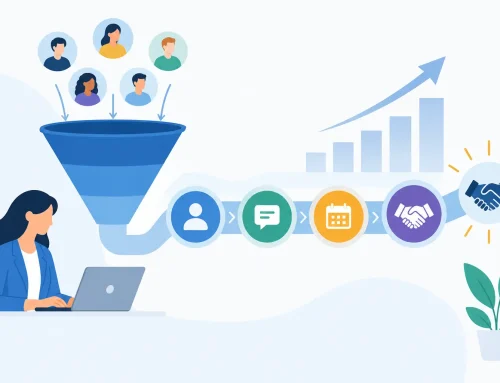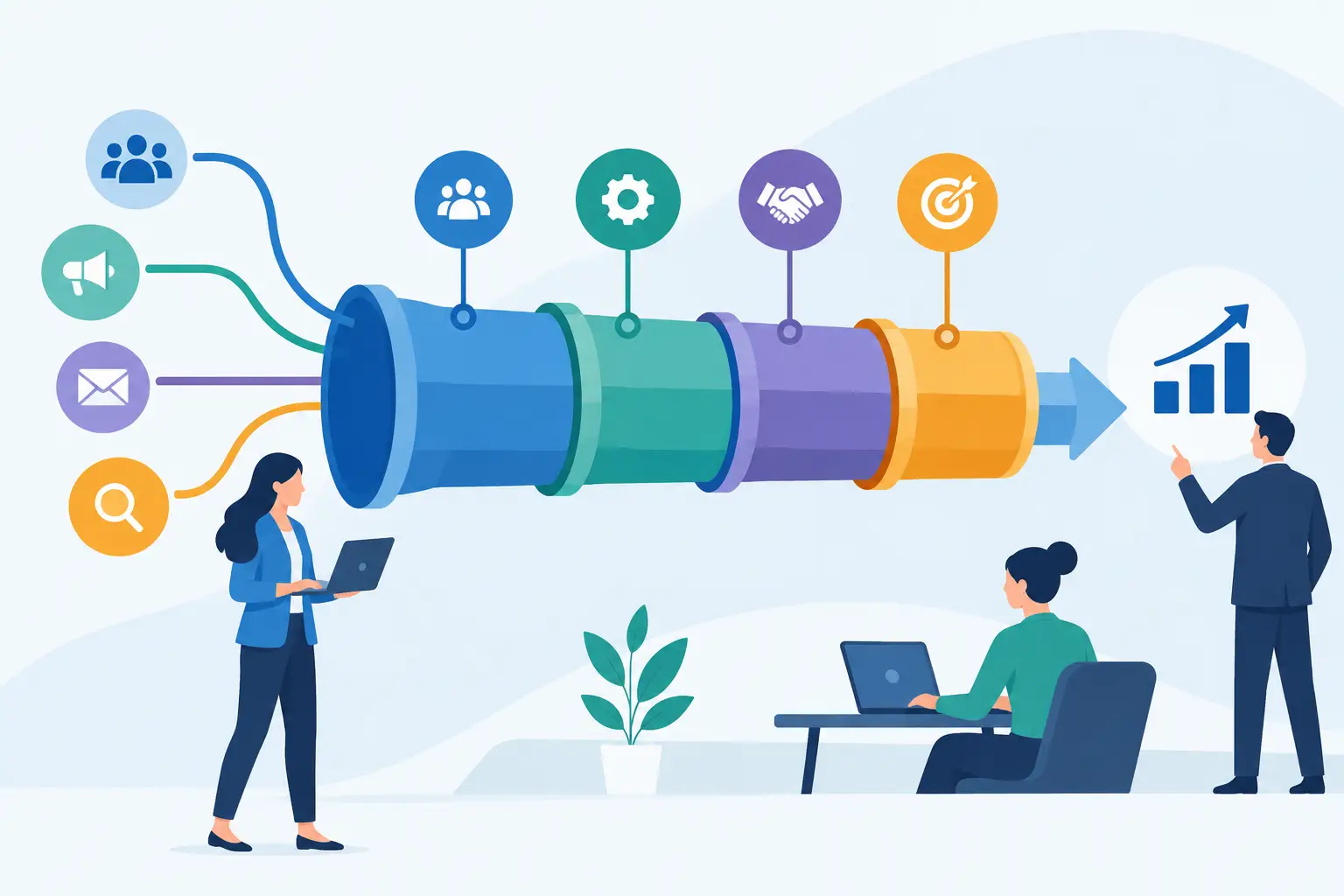
A high-performing account executive should spend most of the week advancing active opportunities, not building prospect lists, writing first-touch emails, or chasing cold follow-ups. Yet that is exactly where many B2B teams lose selling time. The answer to how does sales outsourcing work is straightforward: a specialized partner takes ownership of defined sales development activities and delivers qualified conversations into your existing sales process.
Done well, sales outsourcing is not handing over your brand to a generic call center. It is a managed top-of-funnel system built around your ideal customer profile, buying signals, messaging, outreach channels, qualification standards, and CRM workflow. Your internal team keeps control of strategy and closing. The outsourced team creates the activity and conversations that give closers more real opportunities to work.
How Does Sales Outsourcing Work in Practice?
Most B2B sales outsourcing engagements begin with an operating plan, not a list of contacts. The provider needs to understand who you sell to, what business problem you solve, what triggers a purchase decision, and what makes a prospect worth a meeting.
That information becomes an ideal customer profile, or ICP. It typically includes industry, company size, geography, titles, technology environment, revenue range, growth indicators, and buying intent. For a healthcare technology provider, for example, the best targets may be multi-location practices adding new facilities or replacing a legacy platform. For a logistics firm, the trigger could be rising shipping volume, a warehouse expansion, or a new distribution footprint.
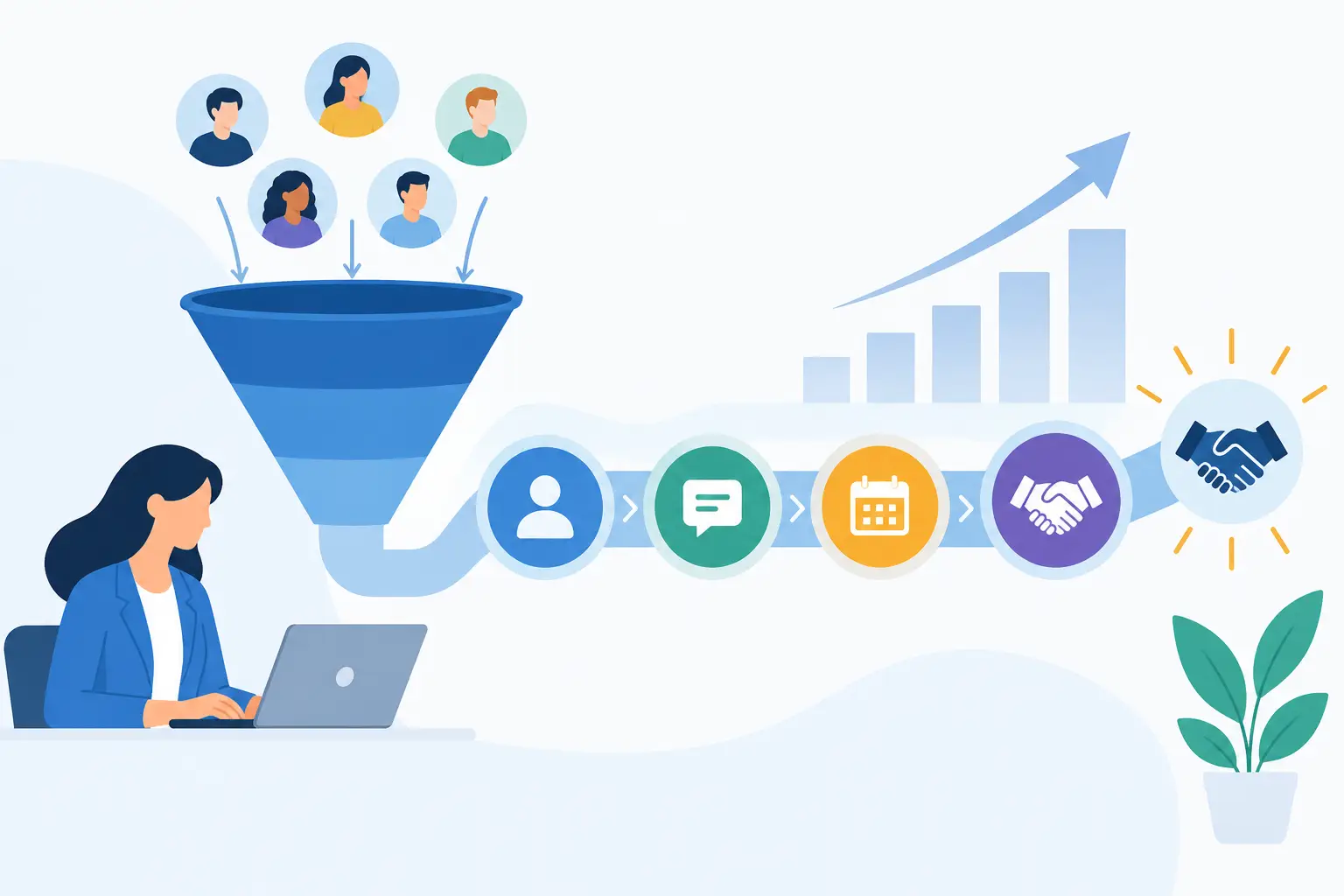
Once the ICP is clear, the outsourced team builds target account lists, validates contact data, develops messaging, and launches coordinated outreach. The exact channel mix depends on the audience. Senior financial services leaders may respond better to carefully researched email and phone outreach than high-volume sequences. Technology buyers may require a combination of email, calling, LinkedIn engagement, paid demand capture, and webinar follow-up.
The work is managed continuously. Campaign performance shows which segments respond, which messages produce conversations, and which offers create meetings that sales accepts. A capable partner adjusts targeting and outreach based on those results instead of sending the same sequence for months and calling it pipeline generation.
The Core Components of an Outsourced Sales Program
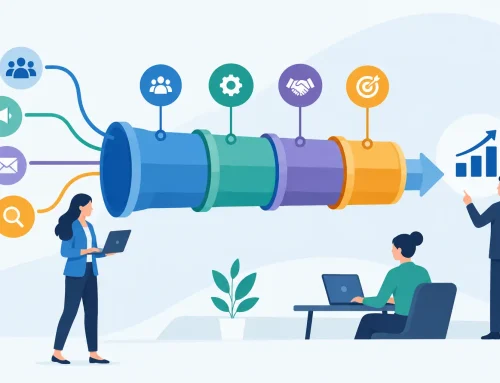
A sales outsourcing provider can support one part of the funnel or run the entire outbound motion. The scope should be explicit from the start. In most B2B programs, the work includes these connected functions:
- Market and account targeting: Identifying companies that fit your ICP and prioritizing accounts with relevant signals, such as hiring activity, funding, technology changes, expansion, or demonstrated intent.
- Prospect research and data management: Finding the right stakeholders, verifying contact information, mapping buying committees, and keeping records clean enough for useful reporting.
- Multichannel outreach: Running coordinated email, phone, social, and other approved touchpoints that create familiarity and start relevant conversations.
- Lead qualification and appointment setting: Confirming fit, need, timing, authority, and next-step interest before placing a meeting on a sales representative’s calendar.
- CRM integration and reporting: Logging activity, outcomes, objections, meeting status, and campaign data so your team can see what is happening and act quickly.
Not every company needs every component. A business with a strong inbound engine may only need outsourced SDR support to qualify and follow up with inquiries. A founder-led company with no outbound process may need the full system, from account selection through booked meetings and reporting.
What Happens After a Prospect Responds?
The meeting is only valuable if the prospect is a genuine fit and the handoff is handled correctly. This is where weak outsourcing programs often break down. They optimize for calendar volume, while your sales team needs opportunities with a realistic path to revenue.
A disciplined provider uses qualification criteria agreed upon before outreach begins. That may include company fit, job function, a stated business challenge, an active initiative, a defined timeframe, or access to the buying group. The standard should reflect your actual sales motion. Enterprise software with a six-month cycle needs a different qualification bar than a recurring service with a lower contract value.
When a prospect meets the agreed standard, the outsourced representative schedules the appointment and records relevant context in the CRM. The internal seller should receive more than a name and a time slot. They need the prospect’s role, reason for engaging, current situation, key pain points, and any stated timing or evaluation criteria.
Speed matters after the handoff. If a prospect replies to an outreach campaign but waits days for a response, momentum disappears. Clear ownership, calendar rules, reminder sequences, and fast sales follow-up help protect show rates and conversion rates.
Outsourced SDRs vs. Hiring an Internal Team
The biggest advantage of sales outsourcing is speed to execution. Building an internal SDR function requires recruiting, onboarding, training, list-building tools, data subscriptions, sales leadership, quality assurance, and enough time to learn what works. That investment can make sense when volume is high, the sales process is stable, and the company has the management capacity to support it.
Outsourcing is often a stronger option when pipeline needs to improve now, internal sellers are spending too much time prospecting, or the company wants to test new markets without making permanent hires. The partner brings people, process, tools, and campaign management into one operating model.
There are trade-offs. An internal team may develop deeper product knowledge over time and can be easier to immerse in daily company culture. An outsourced team needs a strong onboarding process, reliable feedback from sales, and access to current positioning. If your offer changes weekly or no one internally can define what a qualified opportunity looks like, outsourcing will not fix the underlying problem.
The best model depends on your growth stage. Some companies use outsourced sales development as a bridge while building an internal team. Others keep the prospecting function outsourced long term, allowing internal sales leaders to focus on forecasting, deal strategy, customer expansion, and revenue operations.
How to Measure Sales Outsourcing Performance
Do not judge a sales outsourcing program solely by email volume or meetings booked. Activity is necessary, but it is not the outcome. The right scorecard connects outreach to pipeline quality.
Start with leading indicators: valid contacts, accounts reached, positive replies, live conversations, qualification rate, meetings booked, meeting show rate, and sales-accepted meetings. These reveal whether targeting, messaging, and follow-up are working.
Then measure commercial outcomes: opportunities created, pipeline value, opportunity-to-close conversion, cost per sales-accepted meeting, cost per opportunity, and sourced revenue. Longer sales cycles may delay revenue attribution, which is why both leading and lagging metrics matter.
Quality feedback from your closing team is equally important. If meetings repeatedly lack budget, authority, urgency, or fit, the provider should adjust the qualification criteria and targeting. If good meetings are not converting, the issue may sit in the sales discovery process or the offer itself. Transparent reporting helps identify the real constraint instead of blaming lead generation for every missed target.
Questions to Ask Before You Outsource Sales
Before selecting a provider, establish exactly what success means for your business. Ask how target accounts are sourced, whether intent data is used, who owns data and campaign assets, how outreach is personalized, and how appointments are qualified. You should also know how the provider handles CRM integration, compliance requirements, no-show follow-up, and weekly performance reviews.
Be cautious of guarantees that focus only on appointment volume. Ten poor-fit meetings create more work, not more pipeline. A credible partner will discuss your sales cycle, conversion rates, available market, offer strength, and sales capacity before promising results.
Appointment Gurus approaches outsourced sales development as a managed pipeline function: targeted accounts, intent-informed prospecting, multichannel execution, qualified meetings, and reporting that fits the sales workflow. The goal is not more outreach for its own sake. It is giving your team more opportunities worth pursuing.
Sales outsourcing works when both sides operate from the same definition of a qualified opportunity and stay accountable to the numbers after the meeting is booked. If your closers are capable but underfed, the next practical step is to define the accounts, triggers, and conversations they need more of, then build the prospecting engine around that standard.