A calendar full of meetings can look like momentum while hiding a pipeline problem. If sales reps leave calls with no defined pain, no access to the buying process, and no credible next step, the meeting was not productive – even if the prospect showed up. Knowing how to measure meeting quality gives sales leaders a way to separate activity from revenue potential and improve the top of funnel without guessing.
For B2B teams, the standard is not simply whether an appointment occurred. The standard is whether the conversation reached the right account, involved a relevant stakeholder, surfaced a business case, and moved into a sales process with a realistic path to revenue.
Define What a Quality Meeting Means for Your Business
Meeting quality should begin with a written definition agreed on by sales and marketing. Without one, appointment setters will optimize for booked calls, account executives will reject meetings based on personal preference, and reporting will never explain where pipeline is leaking.
A quality meeting is typically a conversation with an account that fits your ideal customer profile, a contact who can influence or advance the buying decision, and a problem your company can solve. It should also have enough urgency, budget potential, and next-step clarity to justify sales follow-up.
The precise threshold depends on your sales motion. A company selling a complex enterprise platform may require director-level access, a defined initiative, and multiple stakeholders before accepting a meeting. A high-volume service business may accept an early discovery call with a manager if the company size, need, and timing are right. The mistake is applying one definition across motions with very different economics.
Document the criteria in your CRM and make them visible to every person involved in prospecting, qualification, and closing. A simple meeting scorecard creates consistency before a lead ever reaches an account executive.
How to Measure Meeting Quality Beyond Show Rates
Show rate matters because a prospect who does not attend cannot become pipeline. But it is an operational metric, not a complete quality metric. Strong reminder workflows, accurate scheduling, and clear meeting expectations can improve attendance. They cannot turn a poor-fit account into a qualified opportunity.
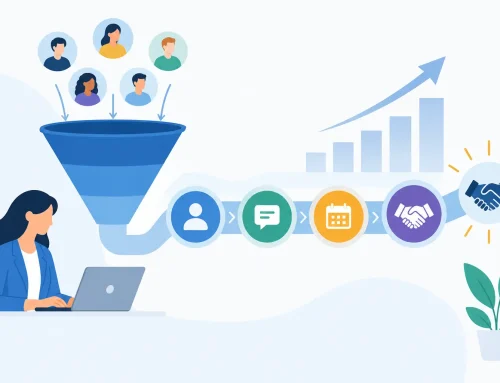
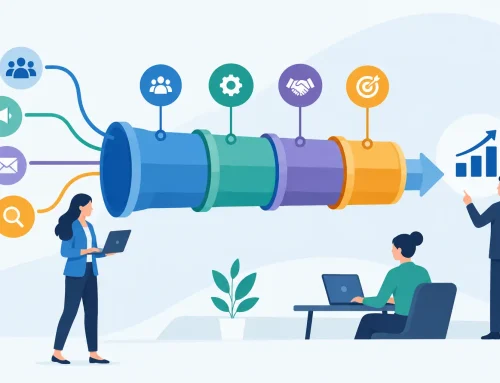
Measure meeting quality across the full path from booking to revenue. The most useful indicators are connected: attendance, sales acceptance, opportunity creation, stage progression, and closed-won revenue. When viewed together, they reveal whether your appointment engine is producing conversations that sales can convert.
Start with meeting acceptance rate
Meeting acceptance rate is the percentage of completed meetings that sales accepts as qualified. Calculate it by dividing sales-accepted meetings by completed meetings, then multiplying by 100.
This is often the first serious checkpoint for an outsourced SDR program, internal prospecting team, or paid lead source. If 40 meetings occur and sales accepts 30, your acceptance rate is 75 percent. The rejected 10 should not disappear into a generic “not qualified” field. Require a reason code such as wrong company size, no active need, non-decision-maker, competitor contract, weak budget, or poor timing.
Those rejection reasons tell you where to act. A high rate of wrong-fit accounts points to targeting and list criteria. Frequent no-need outcomes may signal weak intent filters or messaging that creates curiosity without commercial relevance. A pattern of stakeholder issues calls for better contact selection and qualification questions.
Track opportunity creation rate
Sales acceptance is useful, but it can be subjective. Opportunity creation is harder to fake. This metric shows the percentage of completed or accepted meetings that become a CRM opportunity with a defined value, close date, and next sales action.
If accepted meetings consistently fail to become opportunities, your definition of accepted may be too loose. It may also mean account executives are not following up quickly enough, discovery quality is inconsistent, or the prospecting team is overpromising what the meeting will cover.
Review this rate by segment. Compare industry, company size, campaign, channel, persona, territory, and intent signal. A webinar attendee may attend at a higher rate than a cold outbound prospect but create fewer opportunities. Conversely, a tightly targeted intent-data campaign may book fewer calls while producing substantially more pipeline per meeting. Volume alone cannot tell you which source deserves more budget.
Measure pipeline created per held meeting
Pipeline created per held meeting connects appointment activity to commercial value. Divide the total qualified pipeline generated by the number of completed meetings in the same cohort.
This metric is especially valuable when meetings vary in deal size. Ten appointments from small accounts may look better than four enterprise conversations on an activity dashboard. If those four conversations create three times as much qualified pipeline, the lower-volume source is performing better.
Use a consistent attribution window. For example, evaluate opportunities created within 30 or 60 days of the meeting, depending on your sales cycle. Longer enterprise cycles may require more time before opportunity value is visible. Do not judge a newly launched campaign using closed revenue alone if its buyers take six months to purchase.
Follow conversion through later stages
A meeting can create an opportunity and still be low quality if it immediately stalls. Track conversion from meeting to discovery completion, proposal, late-stage opportunity, and closed-won business. These stage-to-stage conversion rates expose quality issues that early metrics can miss.
Low proposal conversion may indicate that early meetings lack urgency or technical fit. Low close rates across a specific vertical may point to an inaccurate ideal customer profile, weak competitive positioning, or deal economics that do not support your offer. The goal is not to blame the appointment source for every loss. It is to identify where the handoff, qualification, or sales process needs correction.
Build a Scorecard Sales Will Actually Use
A scorecard should be short enough for consistent use and specific enough to guide decisions. Avoid forcing reps to complete a long form after every call. Capture the few fields that determine whether the meeting belongs in the active pipeline.
Use a combination of firmographic, buying, and conversation criteria:
- ICP fit: industry, company size, geography, technology environment, and use case match.
- Contact quality: role, seniority, influence on the purchase, and access to other stakeholders.
- Business need: a documented pain point, initiative, risk, or growth objective your offer addresses.
- Buying readiness: timing, triggering event, budget context, and willingness to evaluate a solution.
- Sales progress: a specific next step, owner, date, and mutual understanding of what happens next.
Not every field needs a perfect answer on the first call. Early-stage meetings can be valuable when the account is strategically right and there is a credible route to discovery. The key is distinguishing incomplete information from a fundamentally weak opportunity.
Use Revenue Data to Improve Qualification
The value of measurement is not the report. It is the operational adjustment that follows. Review performance weekly for fast-moving indicators such as show rate, acceptance rate, and rejection reasons. Review pipeline and revenue monthly or quarterly, because those results mature over time.
Bring sales, marketing, and the appointment-setting team into the same review. Look at a sample of accepted and rejected calls, not only dashboard totals. Call recordings and CRM notes often reveal mismatches that a status field cannot explain. Perhaps the meeting was correctly targeted, but the handoff lacked context. Perhaps the prospect had clear intent, but the account executive did not run a structured discovery process.
Then make one controlled change at a time. Tighten an account-size band, prioritize a different persona, update a qualifying question, revise an outreach claim, or shift budget toward the channel producing more pipeline per held meeting. Changing every variable at once makes it difficult to know what improved performance.
Avoid Metrics That Reward the Wrong Behavior
Booked-meeting volume, email replies, and cost per appointment can be useful operating metrics. They become dangerous when treated as the primary measure of success. A vendor can drive cost per meeting down by booking less-qualified prospects. An internal SDR can hit quota by scheduling calls with contacts who have no ability to buy.
Cost per qualified opportunity and cost per dollar of pipeline offer a more reliable view. They may initially look higher than cost per appointment, especially when targeting senior decision-makers in specialized industries. That trade-off is usually worth it when the result is fewer wasted sales calls, stronger conversion, and better forecast confidence.
Also watch for delayed feedback. If account executives wait two weeks to mark a meeting as accepted or rejected, prospecting teams cannot improve quickly. Set a service-level expectation for dispositioning meetings, ideally within 24 to 48 hours, and require a usable rejection reason.
Make Meeting Quality a Shared Revenue Standard
High-quality meetings are not created by one team alone. Prospecting needs accurate ICP criteria, intent signals, disciplined outreach, and clear qualification guardrails. Sales needs fast follow-up, consistent discovery, accurate CRM updates, and accountability for advancing viable conversations.
Appointment Gurus helps teams build that operating rhythm through managed targeting, multichannel outreach, and CRM-integrated reporting designed around qualified pipeline rather than calendar activity. The right meeting program gives sales more than appointments. It gives them conversations worth converting.
Start by auditing the last 30 to 50 completed meetings. Identify which ones became opportunities, why the others failed, and which account or campaign patterns appear most often. That small review will usually show exactly where your next pipeline improvement should begin.