A full calendar means very little if the meetings are with companies that cannot buy, do not have urgency, or never reach a real decision-maker. A high-performing b2b meeting booking process guide starts with a harder standard: book conversations your sales team wants to have because they can turn into qualified opportunities and measurable pipeline.
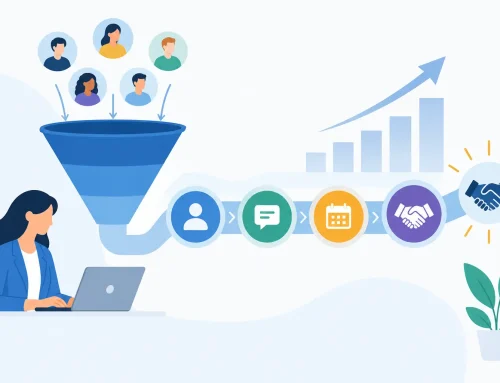
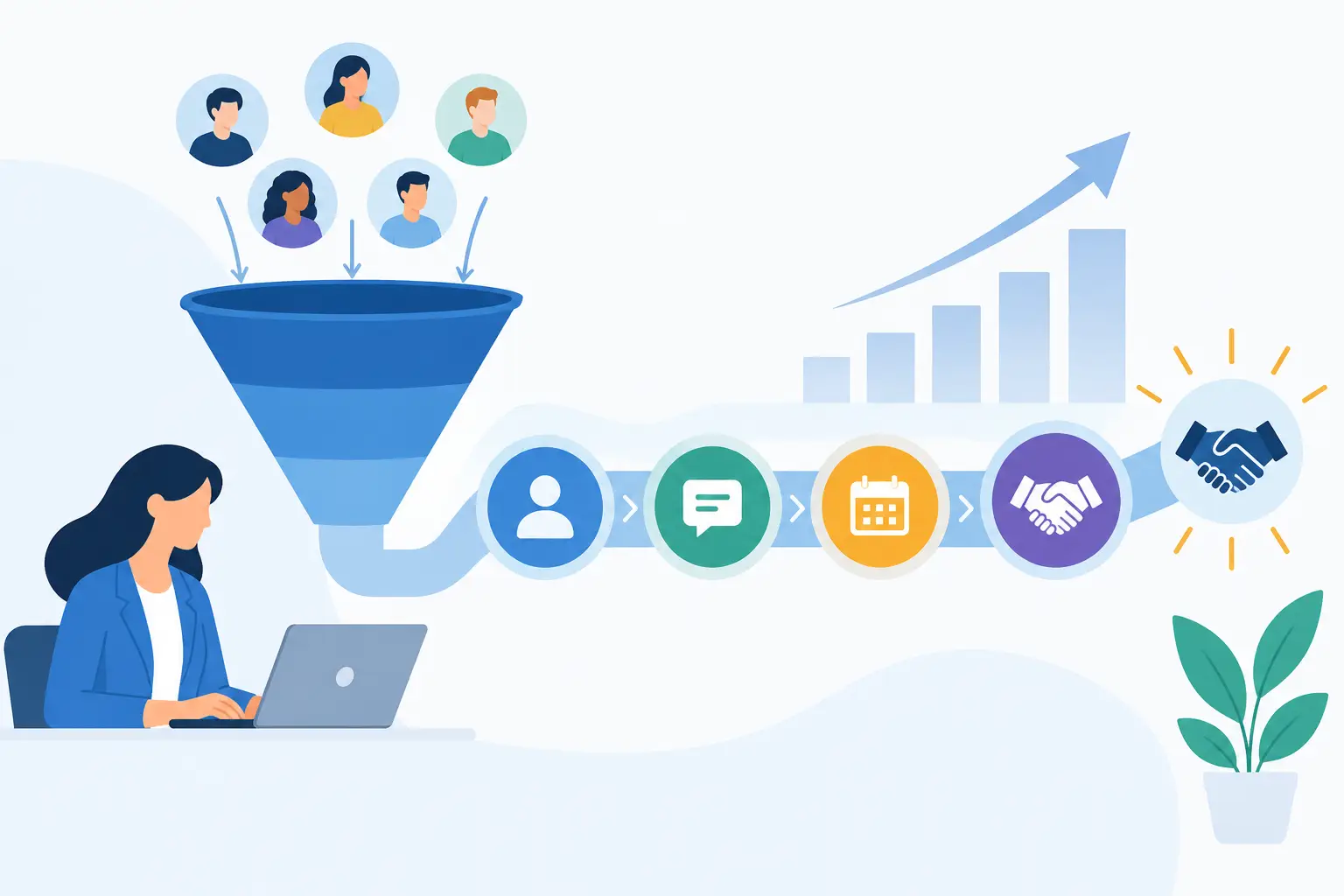
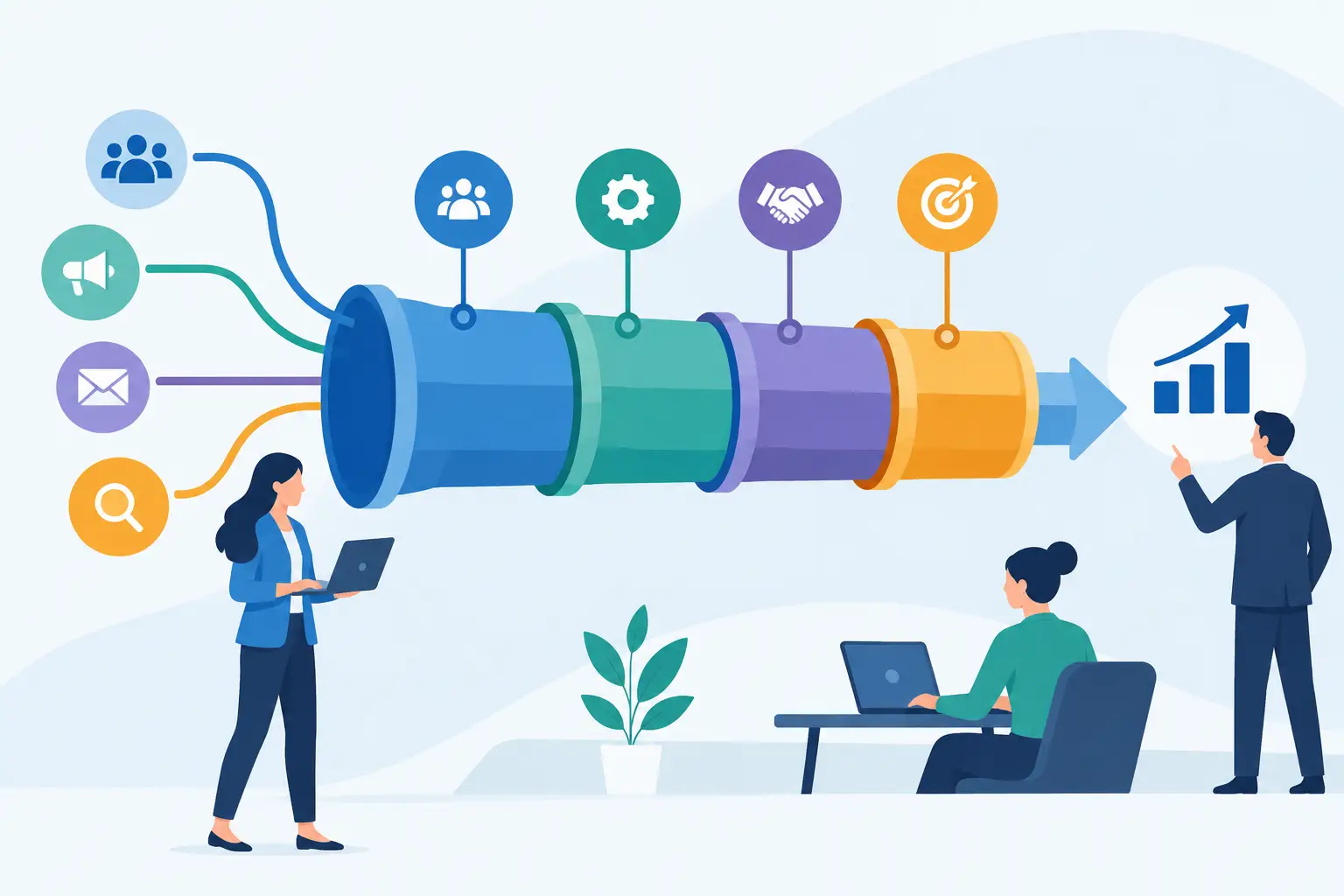
For sales leaders, the objective is not more activity. It is a repeatable system that identifies the right accounts, reaches them through the right channels, qualifies interest before the handoff, and gives closers enough context to advance the deal. Here is how to build that system without turning your internal sales team into full-time prospectors.
Start With a Definition of a Qualified Meeting
The fastest way to waste an outbound budget is to measure success by meetings alone. Before launching outreach, define what a qualified meeting means for your organization.
At minimum, the account should fit your ideal customer profile. That includes firmographic criteria such as industry, company size, geography, technology environment, and revenue range. The contact should have influence over the buying process or direct access to the person who does. There also needs to be a credible business reason for a conversation, whether that is a known initiative, an operational problem, a growth target, or meaningful intent activity.
Not every meeting will have confirmed budget and a final timeline. Requiring every qualification box to be checked before a first call can suppress volume, especially in longer enterprise cycles. The right threshold depends on your average contract value, sales cycle, and capacity. What matters is that sales and marketing agree on the standard before leads start entering the CRM.
Build the B2B Meeting Booking Process Around the ICP
Broad targeting creates broad results: low reply rates, weak conversations, and a pipeline full of accounts your team cannot convert. Your meeting booking process should begin with a focused account universe, not a massive contact list.
Segment accounts by the variables that actually affect purchase likelihood. A healthcare technology provider may prioritize compliance-driven organizations and specific electronic health record environments. A logistics company may focus on businesses expanding distribution capacity, adding carriers, or struggling with delivery performance. A financial services firm may target companies experiencing regulatory change, new funding, or rapid headcount growth.
This level of targeting makes outreach more relevant and qualification more efficient. It also gives your SDRs, outsourced appointment setting partner, or AI calling team a clear framework for deciding which conversations deserve a calendar slot.
Add Intent Signals Before You Add Volume
Firmographics identify companies that could buy. Intent signals help identify companies that may be ready to buy.
Useful signals can include research activity around a relevant category, hiring for roles tied to your solution, technology changes, funding events, leadership changes, webinar attendance, website engagement, or engagement with paid campaigns. No individual signal guarantees a deal. A prospect downloading one asset is not automatically in market. But several signals combined with a strong ICP match can dramatically improve prioritization.
Use intent to determine who receives the fastest and most personalized outreach. Lower-intent accounts can remain in structured nurture sequences until their behavior changes. This protects your team from treating every prospect with the same level of effort.
Match the Message to a Specific Commercial Problem
Prospects do not accept meetings because you have a polished pitch. They accept because the outreach connects to a business issue they recognize.
The opening message should make three points quickly: why you are reaching out to this type of company, what operational or revenue problem you help solve, and why a conversation is worth their time. Avoid leading with generic claims about innovation, transformation, or industry leadership. Those phrases are easy to ignore because they do not create urgency.
A better approach is to connect the message to an outcome. For example, a CFO may care about reducing acquisition costs and improving forecast accuracy. A VP of Sales may care about freeing account executives from prospecting and creating more qualified opportunities. An operations leader may care about removing bottlenecks, controlling risk, or improving throughput.
Personalization should be meaningful, not decorative. Mentioning a prospect’s city or copying a line from their website does not establish relevance. Reference a trigger, a likely business priority, or a challenge common to their specific market segment.
Use Multichannel Outreach to Create More Conversation Paths
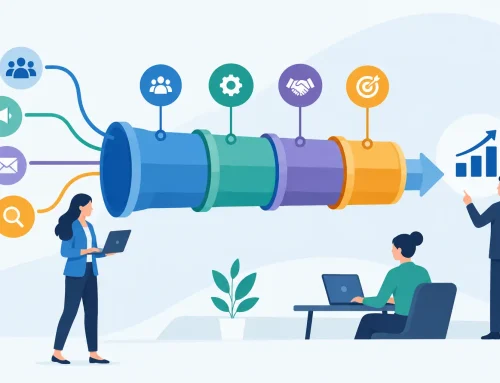
Email remains valuable, but email alone puts your pipeline at the mercy of one crowded inbox. Strong B2B meeting booking programs use coordinated outreach across email, phone, LinkedIn, retargeting, and event or webinar follow-up when those channels fit the audience.
Each channel should play a different role. Email gives prospects a concise value proposition they can review on their own time. Calling creates immediate dialogue and surfaces objections that emails never reveal. LinkedIn adds familiarity and credibility. Paid advertising can keep your offer visible to target accounts that have not yet replied. Webinars can create a reason to engage before asking for a sales conversation.
More channels do not mean more noise. Frequency needs to be controlled, and the message must remain consistent. If a prospect receives five disconnected pitches from your company in a week, you have not built a multichannel strategy. You have created friction.
Make the Booking Step Frictionless
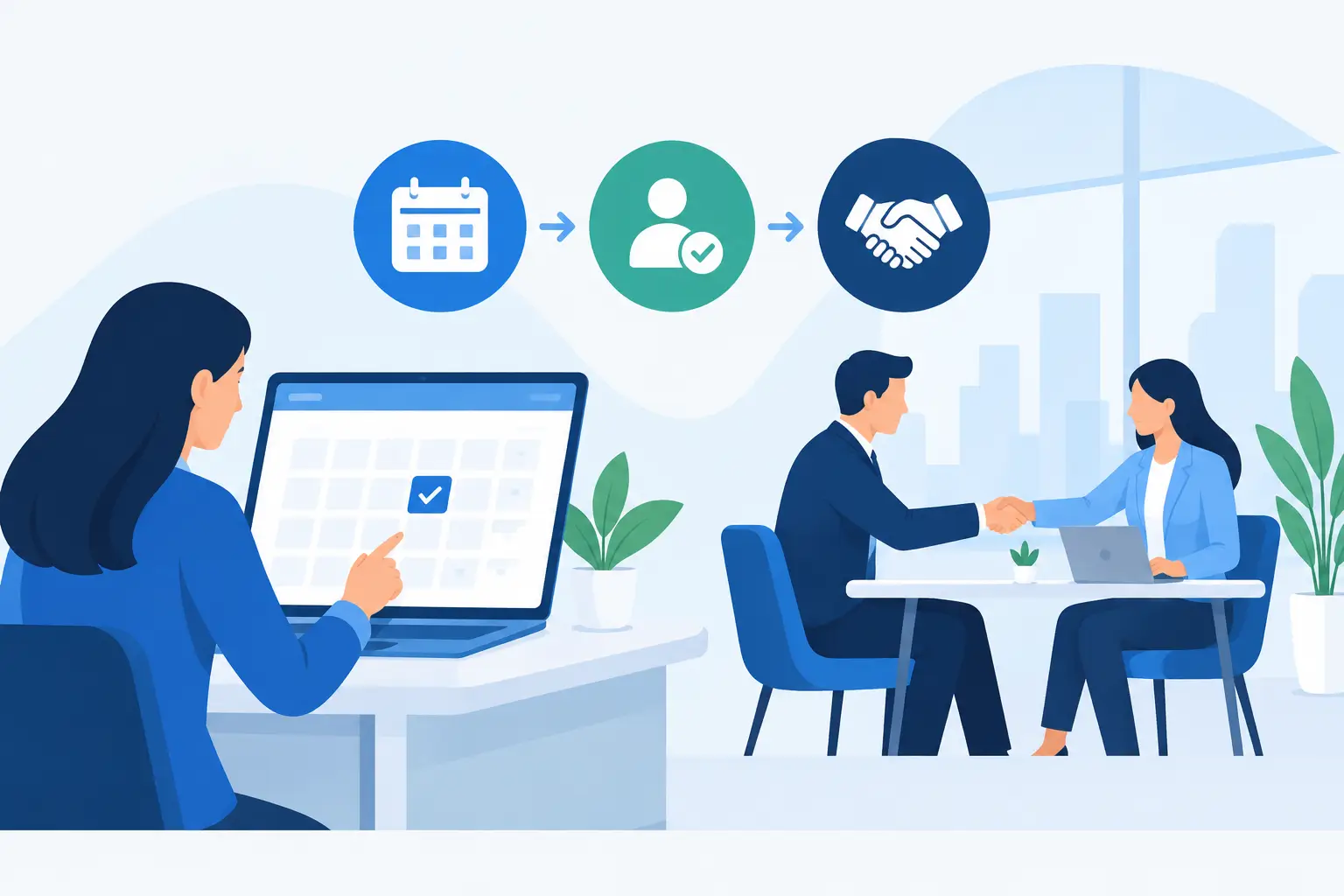
Once a prospect shows interest, speed matters. Delayed follow-up allows interest to cool and gives competing priorities time to take over. A meeting should be offered while the conversation is active, with clear options for time, format, and attendees.
Calendar automation helps, but it is not enough by itself. The booking flow should capture the information your sales team needs to prepare. Ask concise questions about the prospect’s role, core challenge, current approach, and desired outcome. Keep the form short. Excessive fields reduce conversion and can make an exploratory conversation feel like a procurement exercise.
Confirm the meeting immediately, send a calendar invitation, and include a brief statement of what the prospect can expect. A reminder sequence before the call reduces no-shows, particularly when the original meeting was booked several days in advance.
Create a Clean Sales Handoff
A booked meeting becomes more valuable when the account executive begins with context instead of starting from zero. Every handoff should include the account profile, contacts involved, outreach history, relevant intent signals, stated pain points, qualification notes, and the reason the prospect agreed to meet.
CRM integration is central here. If SDR notes live in a separate spreadsheet, call recordings sit in another platform, and campaign data is inaccessible to sales, your process creates administrative work instead of pipeline efficiency. The handoff should happen inside the workflow your sellers already use.
Set a clear service-level agreement as well. Sales should accept or reject booked meetings within a defined period, update the opportunity outcome, and provide feedback on quality. That feedback is how targeting and messaging improve over time.
Measure Pipeline Quality, Not Just Appointment Volume
A healthy dashboard tracks activity, but leadership should judge the program by commercial outcomes. Monitor connection rates, reply rates, meetings booked, show rates, sales-accepted meetings, opportunities created, pipeline value, win rate, and cost per opportunity.
The most revealing metrics occur after the meeting. If show rates are high but sales acceptance is low, the qualification standard may be weak. If accepted meetings rarely become opportunities, the message may be attracting curiosity rather than buying intent. If opportunities are strong but volume is low, you may have room to broaden the account list or add capacity.
Review results by segment, campaign, channel, title, and intent tier. An overall average can hide the fact that one industry segment is producing the majority of pipeline while another consumes budget without producing viable deals.
Decide What to Keep In-House and What to Outsource
Some teams can manage appointment setting internally, particularly when they have experienced SDR leadership, clean data, proven messaging, and enough volume to justify a dedicated function. Others need pipeline now but do not want the cost and management overhead of recruiting, training, coaching, and retaining an outbound team.
That is where a managed partner can be effective. Appointment Gurus combines industry-specific targeting, intent data, multichannel outreach, AI-enabled calling, and CRM-integrated execution to help sales teams spend more time closing qualified conversations. The right partner should be transparent about targeting, qualification criteria, reporting, and the feedback loop between booked meetings and revenue outcomes.
Outsourcing is not a substitute for internal alignment. Your team still needs a clear ICP, timely feedback, and a sales process capable of converting the meetings generated. The best results come from shared accountability, not a disconnected vendor handoff.
Keep Improving the Process After Launch
A meeting booking engine is never finished. Markets change, buyer priorities shift, deliverability fluctuates, and a message that worked six months ago can lose relevance. Run structured tests on audience segments, value propositions, call openings, email subject lines, meeting offers, and follow-up timing.
Change one meaningful variable at a time whenever possible. If you alter the target list, messaging, cadence, and channel mix all at once, you will struggle to identify what improved performance. Keep the testing disciplined and tied to downstream pipeline quality, not vanity metrics.
The practical goal is simple: create a process that gives your sales team fewer dead-end calls and more conversations with accounts that have a reason to act. When targeting, intent, outreach, qualification, and CRM handoff operate as one system, booked meetings stop being a calendar metric and become a dependable source of revenue opportunity.