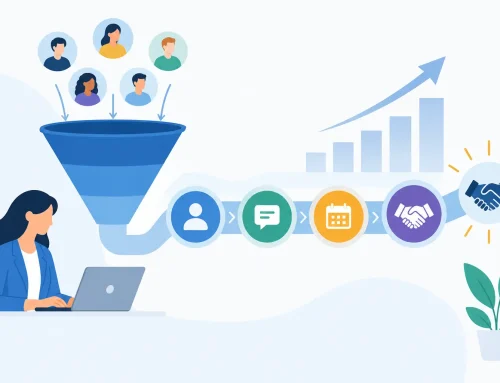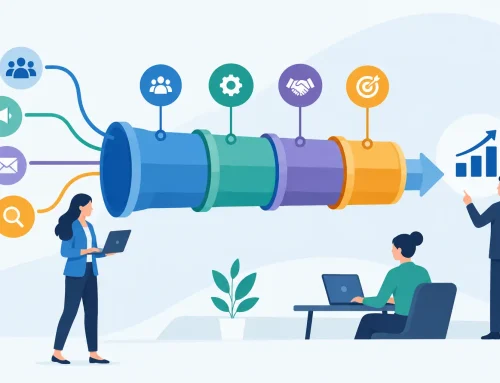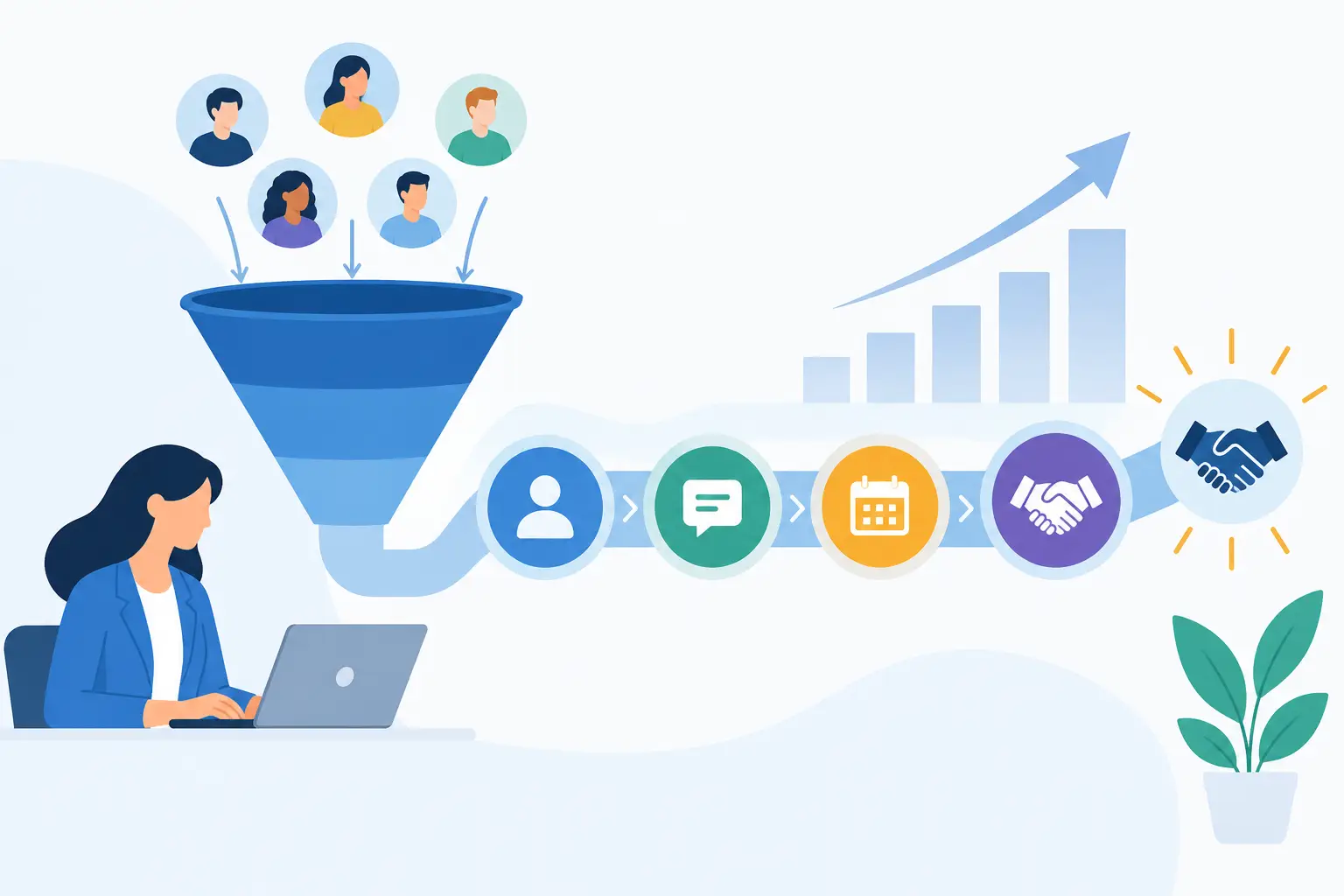
A prospect can fit your ICP perfectly and still be months away from a buying decision. That is why a buyer intent signal guide matters: it gives sales teams a practical way to separate accounts that match your market from accounts that are actively evaluating a solution. The result is less prospecting noise, better timing, and more qualified conversations for your closers.
What Buyer Intent Signals Actually Tell You
Buyer intent signals are observable behaviors that suggest an account is researching a problem, comparing vendors, or preparing to make a purchase. They do not guarantee a deal. They tell you where to focus first.
This distinction matters because most outbound programs fail at prioritization, not activity. A team can send thousands of emails to well-targeted companies and still produce weak results if those companies have no current reason to engage. Intent data adds a timing layer to ICP targeting.
For example, a logistics software company may identify warehouse operators as its ideal customer. That is firmographic fit. If one of those operators starts consuming content around route optimization, fleet visibility, and transportation management systems, that is a potential intent signal. If the same account visits pricing pages, attends a relevant webinar, and hires a VP of Operations, the buying case becomes much stronger.
The goal is not to wait for a perfect signal. The goal is to build a repeatable system that recognizes meaningful patterns and puts sales development effort behind the accounts most likely to respond.
The Buyer Intent Signal Guide: Signals That Matter Most
Not every signal deserves the same response. A single article view is weak evidence. Multiple behaviors from several stakeholders inside a target account are much more useful. Sales leaders should evaluate intent through four practical categories.
First-party engagement
First-party signals come from interactions with your own business. These are often the most actionable because the prospect has already shown interest in your company, not just the problem category.
High-value examples include repeated visits to solution, case study, pricing, or comparison pages; form submissions; webinar registrations and attendance; replies to outreach; content downloads; and return visits from known target accounts. A demo request is an obvious hand-raise, but it should not be the only trigger your team watches. Prospects often research quietly before they are ready to fill out a form.
Third-party research activity
Third-party intent indicates that an account is researching topics related to what you sell across the wider market. This can include consumption of relevant content, searches around core pain points, or increased interest in competitor and category terms.
This data is valuable for identifying accounts before they find you. It also requires discipline. Topic activity alone can be broad, stale, or driven by someone with no buying influence. Use it to prioritize a coordinated outreach sequence, not as proof that a buyer is ready to buy.
Company change signals
Business events frequently create a reason to evaluate new vendors. Funding rounds, executive hires, mergers, rapid hiring, geographic expansion, new product launches, compliance changes, and technology migrations can all indicate a changing operating environment.
A new CFO may trigger a review of financial systems. A healthcare group opening new locations may create demand for patient engagement technology. A fast-growing IT company hiring sales leaders may need better pipeline coverage. These signals work best when they connect directly to the problem your offer solves.
Engagement and response signals
Responses reveal more than opens ever will. A prospect who asks for information next quarter, forwards a message internally, accepts a LinkedIn connection, or engages with a relevant call is giving your team context for the next move.
A negative response is useful too. If an account says it has a long-term contract or has no budget, record the reason and set a realistic follow-up date. Good intent management means knowing when not to push.
Build an Intent Score Your Team Will Use
Intent data becomes operationally useful when it changes who gets contacted, how fast they are contacted, and what sales says. The simplest way to make that happen is with an account scoring model inside your CRM.
Start with account fit. Define the industries, company sizes, revenue ranges, geographies, technologies, and buyer roles that historically convert into profitable customers. An account with poor fit should not jump to the top of the queue because of one high-intent behavior.
Then add engagement and timing. A practical scoring model may assign more weight to a pricing-page visit or webinar attendance than to a generic blog visit. It can increase scores when multiple contacts from the same company engage within a short period. It can also flag an account when it shows both third-party category research and a relevant company event.
Keep the model simple enough for managers to audit. If reps cannot understand why an account was prioritized, they will ignore the score and return to random prospecting. Review the model monthly against outcomes such as meetings booked, opportunities created, pipeline value, and closed-won revenue.
Turn Signals Into Better Outreach
A signal is only valuable if your outreach reflects it without sounding intrusive. Telling a prospect, “We saw you were researching our competitors,” is rarely a productive opening. Instead, use the signal to shape a relevant point of view.
If an account is showing interest in reducing sales cycle length, lead with a message about the operational cost of weak pipeline qualification and how companies tighten handoffs. If a company has hired a new revenue leader, speak to the first 90-day pressure to create visibility and predictable pipeline. If it attended your webinar, follow up with the specific business issue discussed, not a generic meeting request.
Speed matters, especially for first-party engagement. A prospect who visits a high-value page or requests information should receive timely, appropriate follow-up. For broader third-party signals, use a measured multichannel sequence across email, phone, and LinkedIn. The purpose is to create a relevant conversation, not to force a close on the first touch.
This is where a managed outbound program earns its value. Appointment Gurus combines intent indicators with industry-specific targeting, multichannel execution, and CRM visibility so internal sales teams can focus on qualified meetings rather than manually sorting prospect lists.
Avoid the Most Common Intent Data Mistakes
The biggest mistake is treating every signal as buying intent. Research may come from a student, consultant, existing customer, competitor, or employee with no purchase authority. Validate signals against account fit, contact role, recency, and additional activity before escalating them.
Another mistake is relying on one channel. Email engagement alone is unreliable, and website behavior alone lacks context. Strong prioritization comes from signal combinations: a target account researching your category, visiting your site, and experiencing a business change deserves more attention than an account doing only one of those things.
Teams also lose opportunities by failing to define ownership. Marketing may identify an intent spike, SDRs may assume an account executive will act, and no one follows up. Set clear service-level expectations for high-priority accounts. Define who receives the alert, the required response time, the outreach sequence, and the CRM fields used to track results.
Finally, do not confuse activity with pipeline. High intent-account volume sounds impressive, but the real test is whether those accounts produce held meetings, sales-accepted opportunities, and revenue at an efficient acquisition cost.
Measure Intent by Pipeline Impact
Your reporting should answer a commercial question: does intent-led prospecting create more revenue than standard outbound effort?
Track conversion from intent-qualified account to conversation, booked meeting, held meeting, qualified opportunity, and closed deal. Compare these rates with non-intent outbound cohorts. Also measure speed to first contact, time from first signal to meeting, average deal value, and sales cycle length.
Expect the answer to vary by market. In enterprise sales, intent may help identify accounts earlier but still require long nurture cycles. In mid-market sales, timely intent follow-up may generate meetings quickly. The right model depends on deal size, buying committee complexity, sales cycle length, and the strength of your offer.
FAQ: Are buyer intent signals enough to qualify a lead?
No. Intent signals establish priority, not qualification. A qualified opportunity still needs the right problem, stakeholder access, commercial fit, and realistic timing. Intent improves where your team spends time; discovery determines whether the deal is real.
FAQ: How often should intent data be reviewed?
High-value first-party signals should be reviewed continuously or routed through automated CRM alerts. Broader account intent can be reviewed weekly, provided the team has a defined workflow for acting on changes. Data that sits in a dashboard without follow-up will not create pipeline.
The strongest intent strategy is not the one with the most data sources. It is the one that gives your team a clear reason to contact the right account, with the right message, at the right moment. Build that discipline into your pipeline process, and every prospecting hour has a better chance of turning into a sales conversation.