A cybersecurity firm can match every box in your ideal customer profile and still be months away from buying. A fast-growing healthcare company may show strong research activity but lack the budget, authority, or infrastructure to become a real opportunity. That is the practical difference behind intent data versus firmographic data: one helps identify fit, while the other helps identify timing.
For sales leaders, the question is not which data type is better. The real question is how to use both without flooding reps with weak leads, wasting outreach volume, or confusing anonymous research activity with purchase readiness.
Intent Data Versus Firmographic Data: The Core Difference
Firmographic data describes a business. It tells you who the company is, how it operates, and whether it resembles the accounts most likely to buy from you. Typical fields include industry, employee count, annual revenue, geography, technology stack, funding stage, job openings, and company growth indicators.
Intent data describes behavior connected to a potential buying need. It can indicate that people at a company are researching a category, reading content around a problem, comparing vendors, or increasing engagement with relevant topics. It is a signal that an account may be entering a buying cycle.
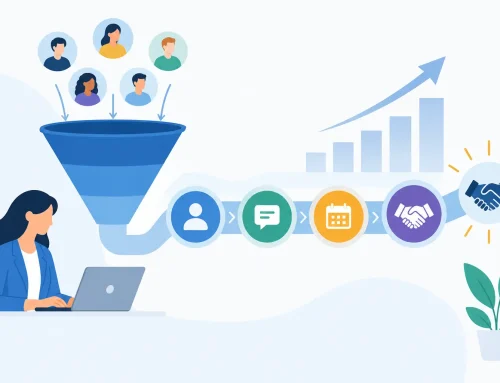
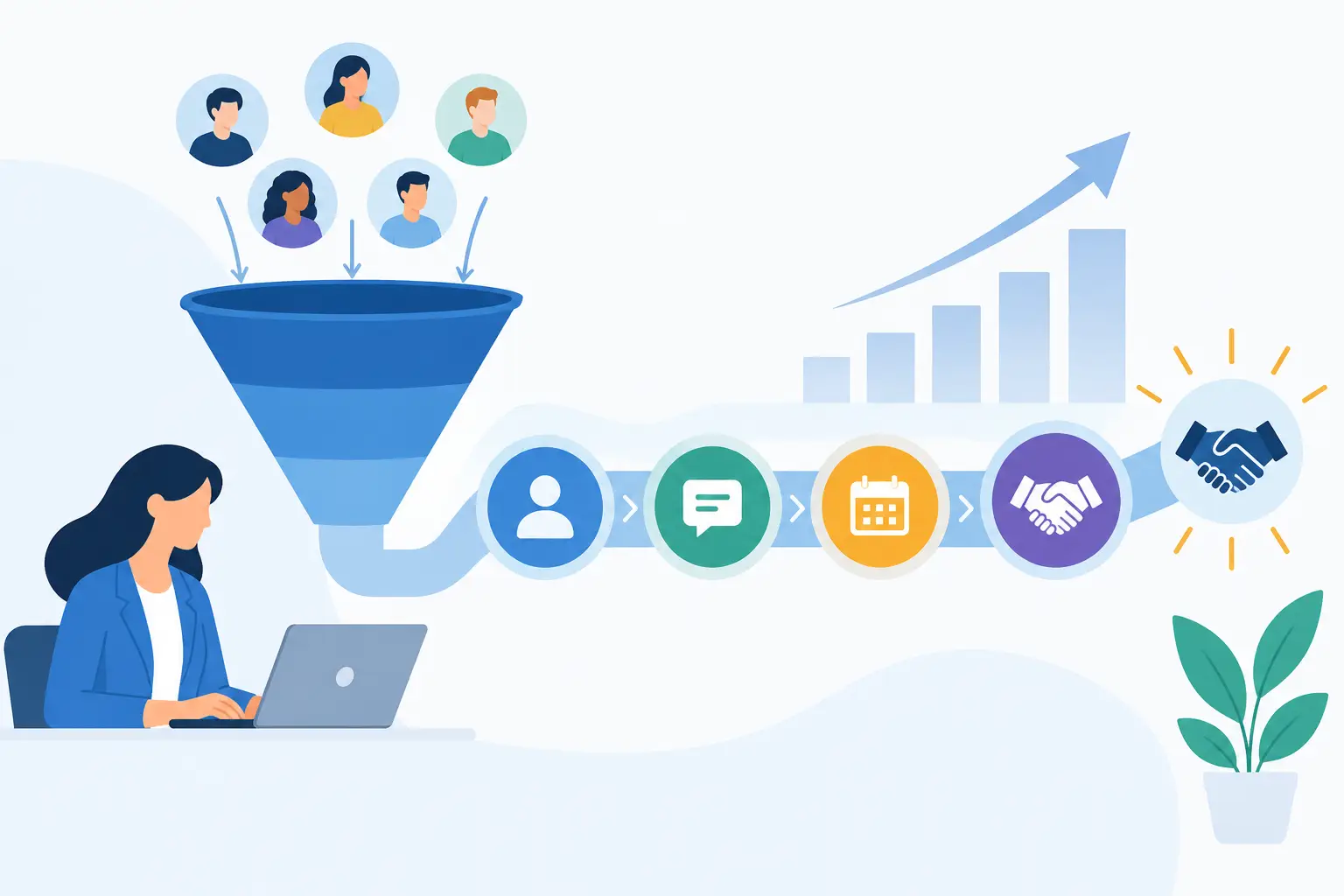
Think of firmographics as the filter and intent as the trigger. Firmographics keep your team focused on companies that can become profitable customers. Intent helps prioritize the accounts worth contacting now.
Neither source is perfect in isolation. A 1,000-person financial services firm may fit your profile but have no active project. Conversely, a small firm may research your category heavily but be too small, too early, or too poorly resourced for your offer. Strong pipeline generation requires both the right account and the right moment.
What Firmographic Data Does Well
Firmographic data gives outbound programs their discipline. It prevents a common failure point in appointment setting: targeting companies simply because they are visible, large, or easy to find.
A defined firmographic profile lets revenue teams set practical boundaries around their market. A logistics software provider may target US-based carriers with 100 to 1,000 employees, multi-state operations, and a specific transportation management system. A healthcare technology firm may focus on regional provider groups with multiple locations, a defined revenue range, and current hiring activity in IT or operations.
This level of targeting improves more than list quality. It sharpens messaging. When sales development teams understand the prospect’s industry, size, operating environment, and likely constraints, they can lead with a relevant business problem instead of a generic product pitch.
Firmographics are also stable enough to support account planning, territory design, paid audience building, and CRM segmentation. They answer foundational questions: Which accounts belong in our market? Which buyer roles should we pursue? Which verticals produce the strongest conversion rates and lifetime value?
The limitation is timing. A clean target account list does not tell you whether anyone is looking for a solution. If every account receives the same outreach cadence regardless of its current priorities, even a well-built list can produce slow replies and low meeting rates.
What Intent Data Does Well
Intent data helps teams move from broad targeting to prioritized outreach. Rather than asking reps to work every qualified account with equal intensity, it identifies businesses showing increased interest in topics related to your offer.
Signals may come from content consumption, keyword research, third-party publisher activity, website visits, webinar registration, ad engagement, review-site research, or changes in engagement across multiple channels. The strongest signals usually involve a pattern, not a single action.
For example, one anonymous visitor reading a blog post about outsourced SDR services is not a reason to launch an aggressive sequence. But an account that repeatedly researches appointment setting, visits service pages, engages with a webinar, and has recently added sales leadership roles deserves a higher place in the queue.
That prioritization can improve speed-to-lead, outreach relevance, and rep productivity. It can also reduce acquisition costs because your team puts more calling, email, advertising, and follow-up effort behind accounts with a reason to engage.
Intent data has limits, too. It does not always reveal the individual researching, the project budget, the decision-maker, or the exact stage of evaluation. A research surge may be driven by a student, competitor, existing customer, or an early-stage internal conversation that never becomes a purchase. Treat intent as a signal to investigate, not proof that a deal exists.
The Best B2B Motion Uses Fit, Intent, and Verification
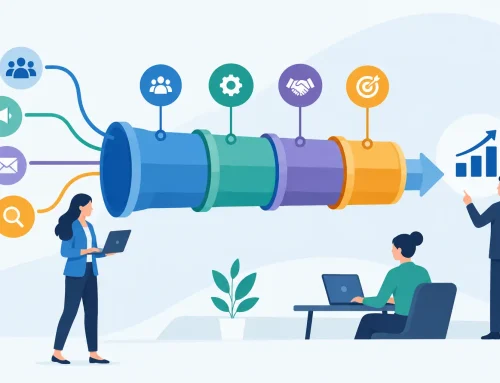
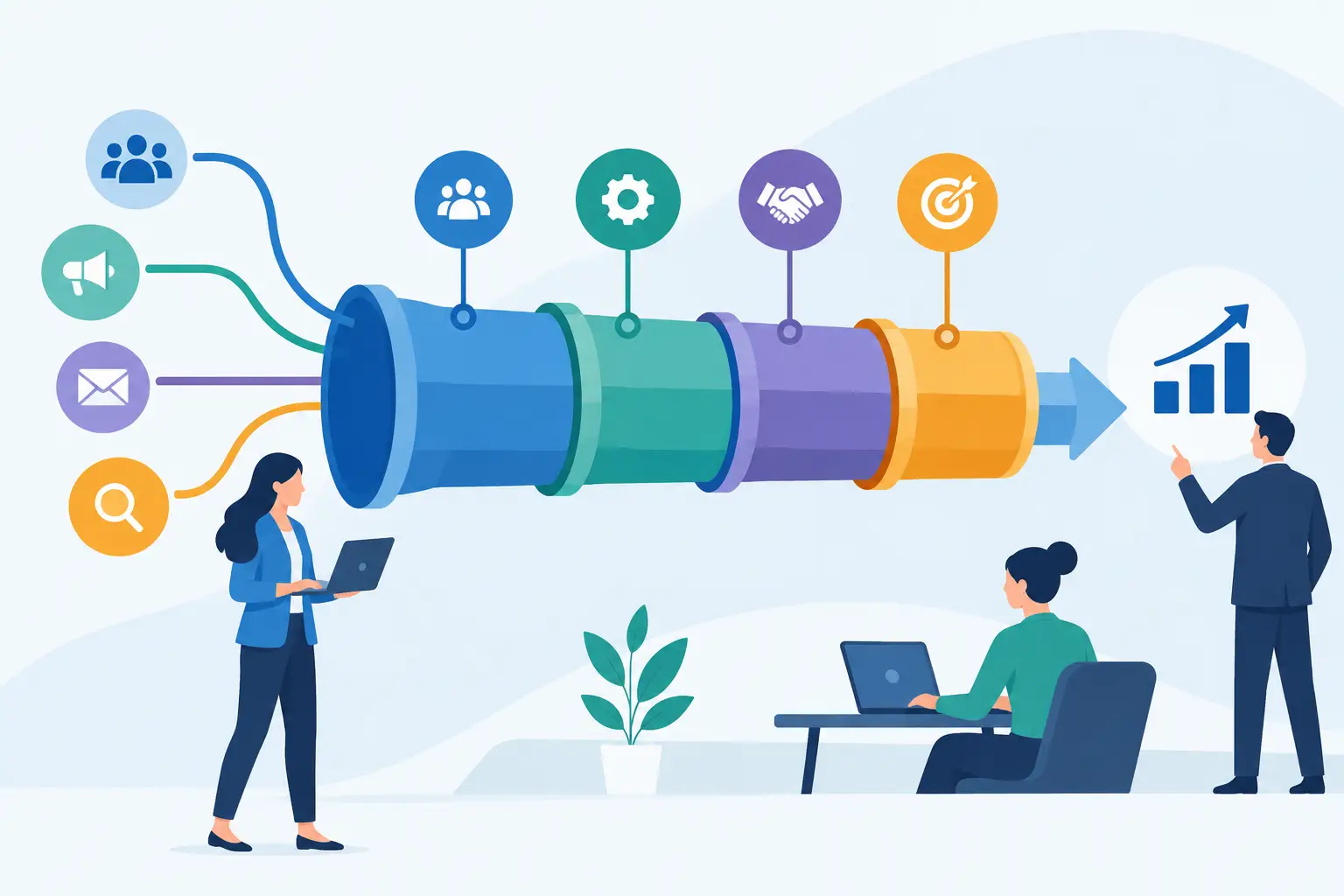
The most effective prospecting model is not firmographic targeting followed by blind outreach. It is a three-part operating system: define fit, detect intent, then verify readiness through direct engagement.
Start by scoring accounts against the ideal customer profile. Use the attributes that actually correlate with closed-won business, not the attributes that merely create a large list. Review existing customers to find patterns in industry, company size, sales model, geography, technology environment, and buying committee structure.
Next, apply intent signals to prioritize that list. A target account researching a relevant problem should receive a faster, more tailored sequence than an account with no current activity. This is where multichannel execution matters. Email can introduce the commercial issue, phone outreach can test urgency, paid retargeting can keep the message visible, and LinkedIn activity can reinforce credibility.
Then verify the opportunity. A qualified meeting should establish more than interest. Your team needs to understand the prospect’s current process, pain point, timeline, stakeholders, and ability to act. Intent gets a conversation started. Discovery determines whether the conversation belongs in the pipeline.
A Simple Account-Priority Model
A practical model ranks accounts on two dimensions: fit and intent. High-fit, high-intent accounts should receive immediate, personalized outreach and call activity. High-fit accounts with limited intent can enter a longer nurture sequence designed around their industry challenges and likely triggers.
Low-fit accounts with high intent require caution. They may be worth reviewing if the buying behavior is unusually strong, but they should not displace proven ICP accounts without a clear reason. Low-fit, low-intent accounts should not consume meaningful sales development time.
This approach protects your best resource: seller attention. Your closers should spend their calendars with accounts that have both a credible need and a credible path to becoming customers.
Where Teams Misuse Intent Data
The first mistake is treating every signal as equal. A single page view, open, or keyword hit should not produce the same response as repeated account-level research across multiple relevant topics. Build thresholds around signal strength, recency, and consistency.
The second mistake is using intent without a firmographic filter. This creates a high-activity list that looks promising but contains companies outside your price point, service area, or operational sweet spot. More activity does not automatically mean more revenue.
The third mistake is sending generic messaging to accounts that have already indicated a specific concern. If an account is researching AI calling, pipeline generation, or outsourced SDR support, the outreach should connect to that issue. It should not read like a template sent to every company in a database.
The fourth mistake is failing to connect data to execution. Intent platforms do not book meetings on their own. The value comes from routing signals into the CRM, assigning the right accounts, deploying coordinated outreach, tracking responses, and improving the process based on meetings created and opportunities advanced.
Turn Data Into Qualified Appointments
For most growth teams, the operational goal is clear: create more conversations with companies that have a reason to buy and a realistic ability to buy. Data only supports that goal when it changes action.
That means setting clear service-level expectations for hot accounts, using industry-specific talk tracks, and reporting on pipeline quality rather than vanity metrics. Monitor meetings held, sales-accepted opportunities, conversion to pipeline, deal velocity, and cost per qualified opportunity. Open rates and raw lead counts may be useful diagnostics, but they do not tell you whether the top of the funnel is producing revenue.
Appointment Gurus applies this model through managed targeting, intent-led prospecting, and multichannel outreach that integrates with the client’s sales process. The objective is not to hand over a spreadsheet of names. It is to create qualified sales conversations that internal teams can convert.
The right next step is to audit your current outbound list. Identify which accounts truly match your best customers, determine which are showing credible buying behavior, and give your team a disciplined process for acting on both. When fit and timing work together, prospecting stops being a volume contest and starts producing a more predictable pipeline.