A logistics sales outreach strategy fails when it treats every shipper, manufacturer, or distributor like the same prospect. A high-volume ecommerce brand dealing with parcel costs has a different buying trigger than a manufacturer struggling with inbound freight delays or a distributor reconsidering its warehouse footprint. Generic outreach gets ignored because generic problems do not create sales conversations.
The objective is not simply to send more emails or make more calls. It is to consistently identify companies with a real operational reason to evaluate a logistics partner, reach the right decision-makers, and turn that relevance into qualified meetings for your sales team.
Start With a Logistics ICP Built Around Revenue Potential
Most logistics firms define their ideal customer profile too broadly. They target a vertical, a company size, and perhaps a geography, then wonder why their outreach produces weak conversion rates. Those filters are a starting point, not a sales strategy.
A usable logistics ICP connects firmographic fit to operational need. If your company sells freight brokerage services, your strongest accounts may be shippers with multiple lanes, inconsistent carrier performance, seasonal volume spikes, or a recent expansion into new regions. If you sell warehousing or fulfillment, order volume, SKU complexity, facility locations, delivery expectations, and inventory velocity matter more than a generic employee count.
Build account segments based on the problem you solve best. For example, one segment may include food and beverage manufacturers that need temperature-controlled transportation. Another may include importers with recurring port-to-warehouse complexity. Each segment should have its own message, offer, and qualification criteria.
A focused ICP also protects sales capacity. Your account executives should not spend their week sorting through prospects that lack enough freight volume, have contracts that will not renew for years, or operate outside your preferred service lanes. Outreach should create opportunities your team can actually win.
Find the Buying Signals Before You Start Contacting
The best prospects rarely announce that they are ready to switch 3PLs, carriers, or freight partners. But their business activity often signals a potential need. Intent data, company news, hiring patterns, technology changes, and expansion activity can reveal accounts that deserve immediate attention.
Useful signals include a new distribution center, a warehouse management system implementation, rapid hiring in supply chain roles, acquisition activity, new product launches, geographic expansion, customer complaints around delivery, or rising activity around freight management and transportation procurement topics.
Not every signal has the same value. A company hiring one logistics coordinator may be preparing for growth, but it may not have an urgent buying window. A company opening two facilities, adding new retail channels, and hiring a director of transportation is a stronger priority. Score signals by urgency, account fit, and likely contract value so your outreach team knows where to focus first.
Build Messaging Around Operational Friction
Logistics buyers do not need another message saying your company offers reliable service, competitive rates, and great support. Every competitor says some version of that. Your outreach needs to name a credible problem and give the prospect a practical reason to respond.
Lead with an observation tied to the account or segment. A message to a regional manufacturer could reference the strain that comes with adding suppliers or expanding into a new territory. A message to a retailer could focus on delivery consistency, peak-season capacity, or the cost of managing fragmented carriers. The goal is to show relevance without pretending you know details you cannot verify.
A strong first message has three elements: a specific business context, a likely operational challenge, and a low-friction next step. Do not ask for a 30-minute demo in the first touch. Ask whether improving a defined area is on their radar, or offer a short discussion around a relevant benchmark, lane review, or capacity assessment.
The message should sound commercially informed, not overly technical. A VP of Operations may care about service failures, margin pressure, and customer retention. A transportation manager may care about tender acceptance, accessorial costs, carrier coverage, and exceptions. The underlying offer can be the same, but the language must reflect the recipient’s role.
Use a Multichannel Cadence That Creates Familiarity
One email is not outreach. One call is not prospecting. Logistics sales cycles often involve multiple stakeholders, existing vendor relationships, and timing constraints that make persistence essential.
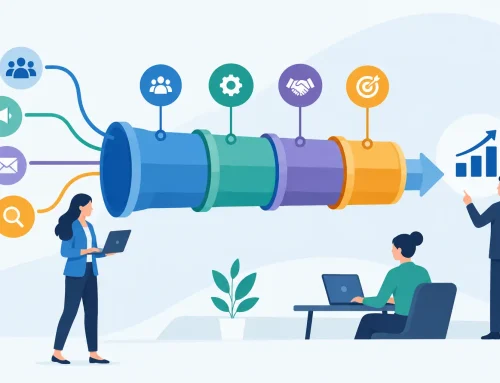
A disciplined cadence combines email, phone, LinkedIn activity, and targeted follow-up over several weeks. Each touch should add a reason to engage rather than repeat the same request. The first email may establish the issue. The call can test whether the challenge is relevant. A follow-up can share a concise perspective on a market shift, service gap, or cost-control opportunity tied to that account type.
Phone outreach remains especially valuable in logistics. Many operations and supply chain leaders are difficult to reach by email alone, and a well-researched call can quickly establish whether there is an active need, an upcoming bid process, or a reason to revisit the account later. The point is not to force a meeting on every call. It is to get usable sales intelligence.
Consistency matters, but frequency should match the account tier. A high-value strategic account deserves personalized research, multiple contacts, and coordinated outreach. A broader middle-market segment may require automation supported by relevant industry messaging. Scale without targeting creates noise. Personalization without operational discipline limits pipeline volume.
Reach the Buying Committee, Not Just One Contact
Logistics purchases are rarely decided by one person. The economic buyer may be a COO, CFO, or business unit leader. The operational champion may be a director of supply chain, transportation manager, warehouse leader, or procurement executive. Finance, customer experience, and IT may influence the decision depending on the scope of the engagement.
Multi-threading reduces the risk of losing momentum when one contact goes quiet. It also gives your team a more accurate view of how decisions happen inside the account. Do not send identical messages to everyone. Give each stakeholder a reason to care based on their responsibilities.
For example, procurement may respond to cost visibility and contract structure, while operations will care more about coverage, performance, and issue resolution. Senior leadership is more likely to engage with the business impact: protecting margins, supporting expansion, reducing risk, or improving customer delivery outcomes.
Qualify Meetings for Sales Readiness, Not Calendar Volume
A full calendar is not a healthy pipeline if meetings are with companies that cannot buy, lack a relevant problem, or have no defined next step. A logistics sales outreach strategy should measure appointment quality as aggressively as meeting volume.
Before a meeting reaches an account executive, qualify the opportunity around four questions:
- Does the company fit your service model, geography, capacity, and minimum revenue requirements?
- Is there a current operational issue, growth initiative, contract event, or performance gap worth discussing?
- Is the contact involved in the buying process or able to introduce the right stakeholders?
- Is there a realistic timeline, even if the opportunity is tied to a future bid or renewal?
Not every qualified conversation will have an immediate buying window. That does not make it a poor lead. The difference is whether the timing and next action are documented. A prospect with a contract renewal six months away should enter a purposeful nurture track, not disappear into a generic newsletter list.
Measure What Moves Pipeline, Then Adjust Fast
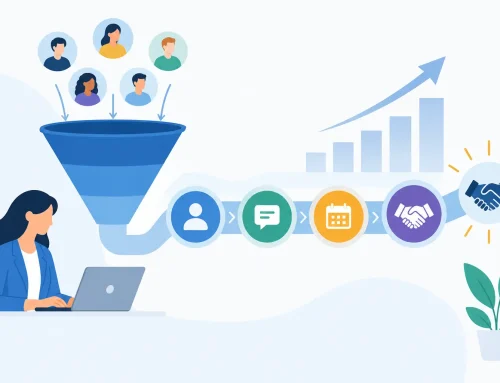
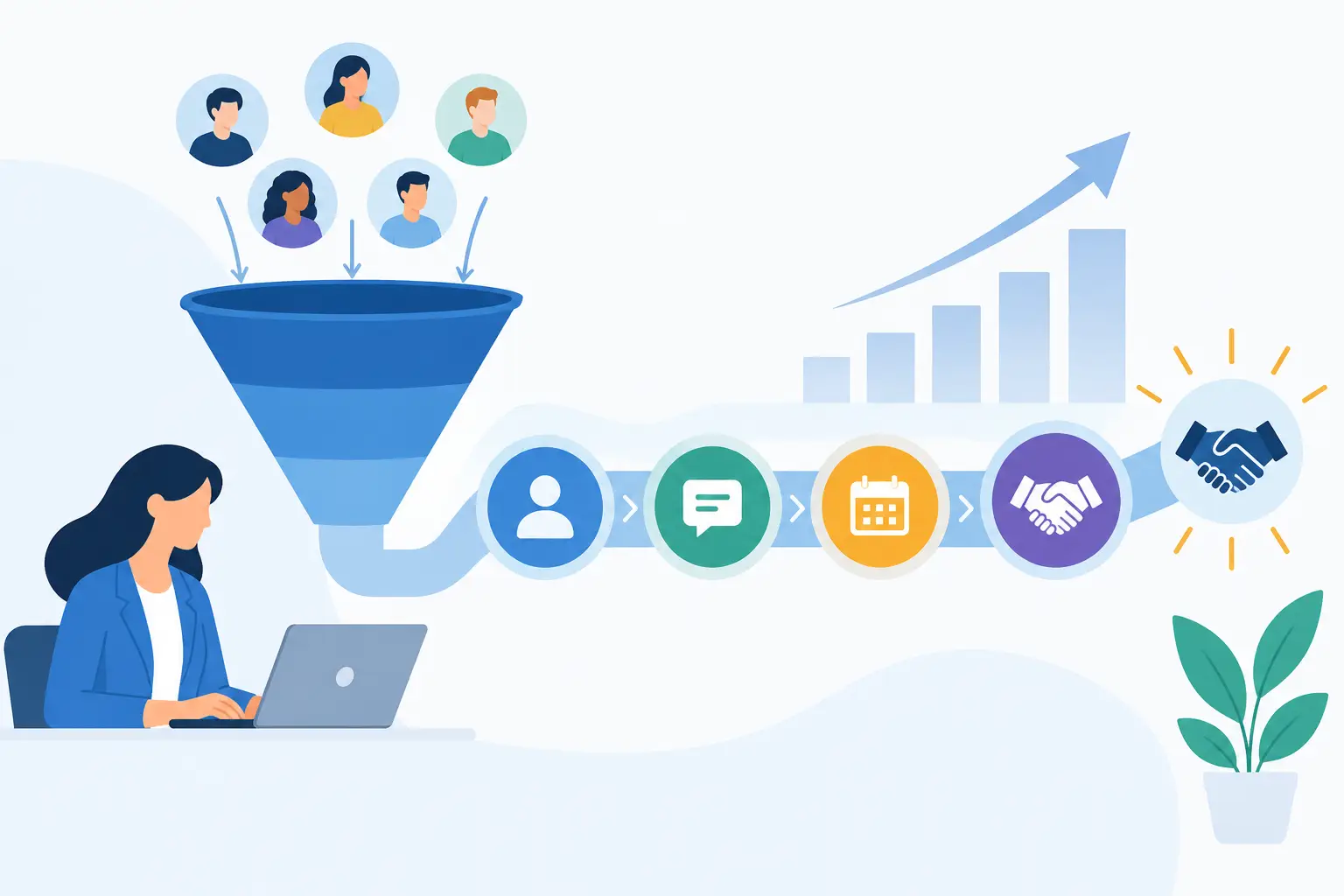
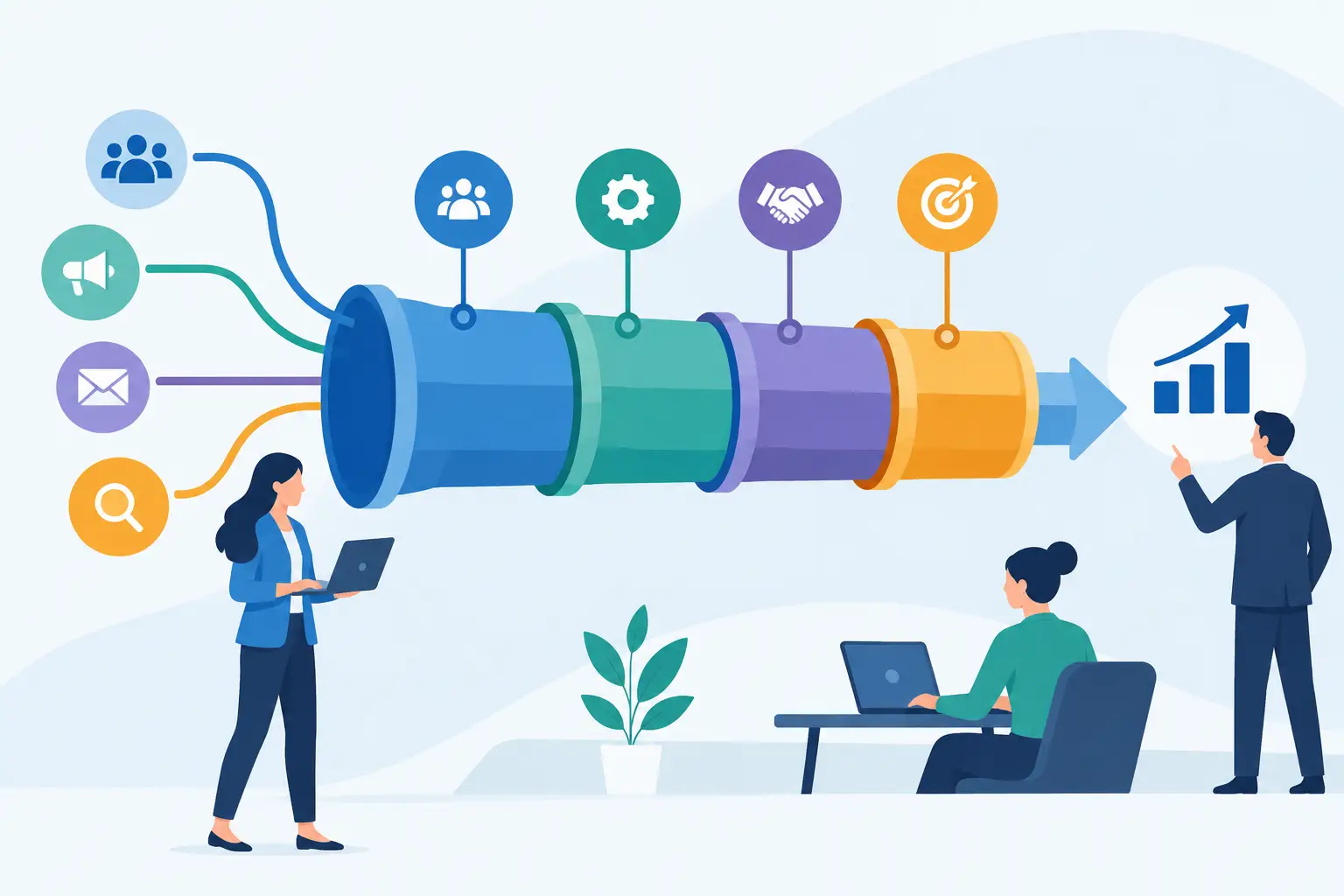
Open rates and activity counts can help diagnose execution, but they do not tell you whether your outreach is producing revenue opportunities. Track performance through the full funnel: target accounts contacted, positive replies, conversations, qualified meetings, held meetings, sales-accepted opportunities, pipeline created, and closed revenue.
Break these metrics down by segment, message, channel, title, and trigger. If manufacturing prospects respond well but fail qualification, your targeting criteria may be too loose. If calls produce qualified meetings while email produces only curiosity replies, adjust the channel mix. If a specific trigger consistently creates conversations, build more campaigns around it.
Sales and outreach teams need a shared feedback loop. Appointment setters should know which meetings progressed and why others stalled. Account executives should receive clear context before every call, including the prospect’s stated challenge, current provider situation when known, stakeholders involved, and agreed reason for meeting. CRM integration is what turns those insights into an improving system rather than scattered notes.
When Managed Outreach Makes Sense
Building an internal outbound function requires data, technology, list management, messaging, calling capacity, coaching, deliverability controls, and ongoing reporting. For many logistics firms, that is a major operational lift before the first qualified meeting is booked.
A managed partner can make sense when internal sellers are spending too much time prospecting, pipeline is inconsistent, or leadership needs faster coverage in a new vertical or market. The right partner should operate as an extension of your revenue team, not a disconnected vendor. That means clear ICP alignment, transparent reporting, CRM workflows, defined qualification standards, and ongoing message testing.
Appointment Gurus combines industry-specific targeting, intent-informed prospecting, multichannel outreach, and managed SDR execution to help revenue teams create more sales-ready conversations without building the entire top-of-funnel machine internally.
The next productive step is to review the accounts already in your market, identify where operational change is creating buying pressure, and give your sales team a reason to call those companies before a competitor does.