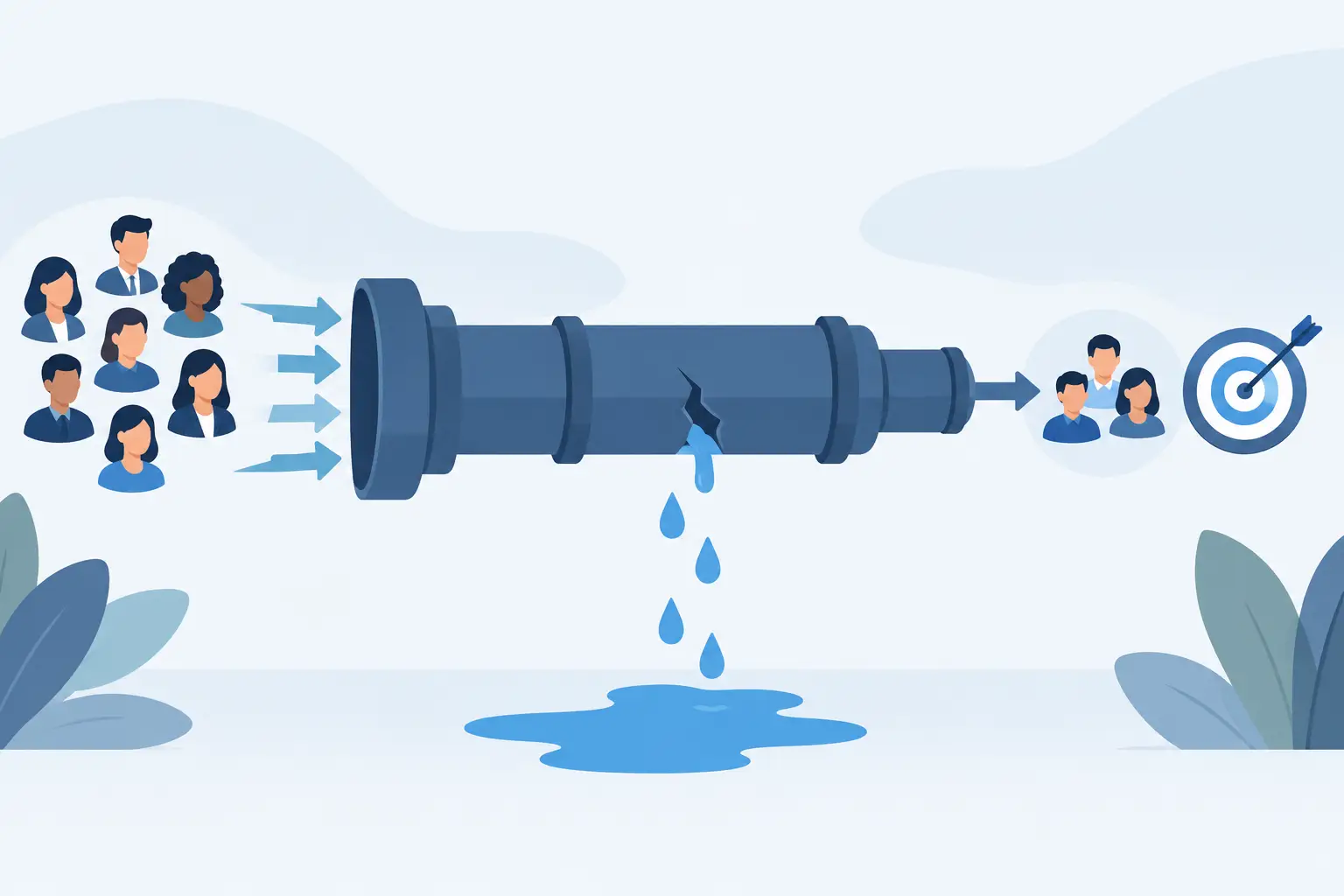
A full calendar can hide a weak revenue engine. If discovery calls are booked but opportunities stall, go quiet, or never reach a decision-maker, the question is not simply whether marketing needs more leads. It is what causes pipeline leakage between first touch and closed revenue.
For B2B sales leaders, leakage is expensive because it compounds. A missed follow-up does not only cost one meeting. It wastes the targeting, ad spend, SDR time, sales capacity, and management attention required to create that opportunity in the first place. The fix is rarely one more tool or a larger contact list. It is a disciplined look at where qualified buyers lose momentum and why.
What Causes Pipeline Leakage Across the Sales Funnel?
Pipeline leakage happens when a prospect who should advance through your process falls out, slows down, or is worked in a way that makes conversion unlikely. Some leakage is normal. Not every buyer has urgency, budget, authority, or a genuine fit. The problem begins when preventable operational gaps are treated as normal sales attrition.
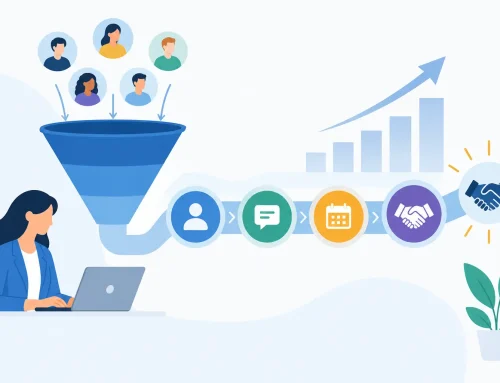
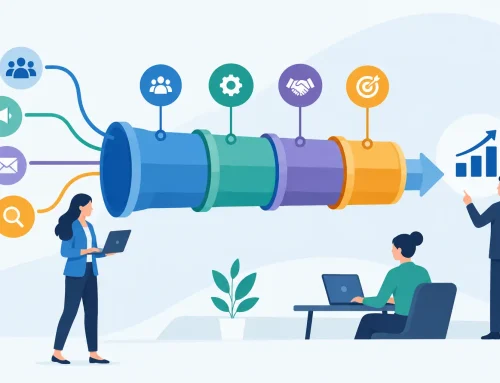
The biggest sources of leakage usually appear at the handoffs: between targeting and outreach, marketing and SDRs, SDRs and account executives, or the sales team and the CRM. These gaps are easy to miss because each team can report activity. Marketing generated leads. SDRs made calls. AEs held meetings. Yet the pipeline still underperforms.
A healthy funnel does not measure activity in isolation. It measures whether the right accounts are receiving relevant outreach, whether engaged buyers are contacted quickly, and whether every next step is owned and tracked.
1. Weak Targeting Creates Low-Value Pipeline
Pipeline often starts leaking before the first email is sent. Broad targeting fills databases and dashboards, but it also creates a false sense of demand. If an account does not match your ideal customer profile, your sales team may still book a conversation, but the opportunity is less likely to move forward.
This commonly happens when teams define their audience only by industry and company size. A better targeting model accounts for the operational conditions that make a buyer likely to act: technology environment, growth signals, service needs, geography, job function, buying committee structure, and recent intent behavior.
More volume can be useful when a company is testing a new market. But volume without qualification creates downstream cost. Reps spend their best hours on accounts that will not buy, while in-market prospects wait too long or receive generic messaging.
2. Slow Speed-to-Lead Kills Existing Demand
A prospect who requests information, responds to an outreach sequence, attends a webinar, or revisits key pages is signaling interest now. Waiting until tomorrow, next week, or the next lead-routing review reduces the odds of a productive conversation.
Speed-to-lead is not only a marketing metric. It is a revenue-control metric. The buyer’s urgency is highest when they take action. Delayed responses give competitors time to engage first and allow the prospect’s attention to shift to another priority.
Fast response does not mean calling every form fill without context. It means having a defined workflow that enriches the account, identifies the right contact, and triggers the appropriate outreach immediately. For high-intent accounts, a coordinated call, email, and LinkedIn touch is often more effective than sending a single automated reply.
3. Inconsistent Follow-Up Lets Interested Buyers Disappear
Most B2B deals do not convert after one outreach attempt or one discovery call. Buyers are busy, internal priorities change, and multiple stakeholders may need to weigh in. When follow-up is inconsistent, the pipeline does not always show an explicit loss. It simply goes quiet.
This is where many teams confuse non-response with lack of interest. A prospect may have opened several emails, visited the site, or agreed to a meeting, then stopped engaging because the next touch was delayed, generic, or poorly timed. The opportunity becomes another stale record in the CRM.
Effective follow-up has a clear owner, a next action, and a reason for contact. “Just checking in” is not a strategy. Reps should reconnect with a relevant insight, a specific business case, a response to a known objection, or a new trigger at the account. The cadence should be persistent without becoming repetitive or disconnected from the buyer’s situation.
4. Poor Qualification Wastes Sales Capacity
Qualification is not about making the funnel artificially small. It is about protecting sales capacity and setting the right path for each lead. When qualification criteria are unclear, SDRs may pass meetings based on surface-level interest while AEs expect confirmed pain, authority, urgency, and fit.
That mismatch creates friction after the meeting. AEs feel that appointments are weak. SDRs feel their work is rejected. Marketing sees a lead-to-meeting conversion rate that looks acceptable, while revenue conversion remains poor.
Define what a qualified meeting means in operational terms. The prospect should fit the ideal customer profile, have a credible business problem or relevant trigger, and include a contact with influence or a realistic route to the buying group. Not every criterion needs to be fully confirmed before a first conversation, especially in complex enterprise sales. But the minimum standard should be visible, consistent, and documented in the CRM.
5. Broken Handoffs Create Revenue Gaps
A qualified prospect can still be lost when ownership changes. This is common after an SDR books a meeting, when marketing hands over an inbound lead, or when an AE needs support from a specialist or executive sponsor.
The buyer experiences your company as one team. They do not care whether a meeting was sourced by paid media, an outbound campaign, an AI calling program, or a human SDR. If they have to repeat their problem, receive conflicting messages, or wait for someone to confirm a next step, confidence drops.
Strong handoffs require context, not just a calendar invite. The receiving rep should know why the account was targeted, what message earned engagement, who attended, the buyer’s stated pain points, and the agreed next action. CRM integration matters because scattered notes in inboxes and spreadsheets make consistent execution nearly impossible at scale.
6. Generic Messaging Fails to Create Momentum
Buyers do not advance because a sequence contains enough touches. They advance because the message makes a credible case that a conversation is worth their time. Generic outreach may produce occasional replies, but it rarely creates the urgency needed for a serious sales process.
This is especially damaging in IT, financial services, healthcare, and logistics, where buyers face distinct compliance requirements, operational pressures, and buying cycles. A generic claim about saving time or driving growth is easy to ignore. A message tied to a real business issue is harder to dismiss.
Segment messaging by industry, role, and trigger. A CFO may respond to cost control, forecast accuracy, or risk reduction. A sales leader may care about rep productivity and pipeline coverage. An operations leader may prioritize throughput, visibility, and service levels. The offer should match the problem, not merely the job title.
7. CRM Hygiene Hides the Real Problem
A messy CRM does more than frustrate reporting. It conceals leakage. If stages are inconsistently used, dispositions are vague, duplicate records exist, and next steps are optional, leaders cannot tell whether pipeline is weak because demand is poor or because execution broke down.
Every active opportunity should have a clear stage, owner, expected close date, next activity, and documented reason for any delay. Every closed-lost opportunity should include a usable loss reason. “No decision” may be accurate, but it is not enough. Was there no budget? Did timing change? Did the champion leave? Did a competitor win? Those answers improve targeting, messaging, and qualification.
How to Find Pipeline Leakage Before It Damages Forecasts
Start with conversion rates between every meaningful stage, not only top-of-funnel totals. Review how accounts move from targeted to contacted, contacted to engaged, engaged to meeting, meeting to qualified opportunity, and qualified opportunity to closed-won.
Then inspect velocity. A stage with an acceptable conversion rate can still create a serious revenue problem if opportunities sit there too long. Compare time in stage by source, industry, campaign, SDR, AE, and deal size. Patterns usually emerge quickly.
Focus your review on these five operational questions:
- Are we reaching accounts that fit our ideal customer profile and show relevant buying signals?
- How quickly do we respond when a prospect engages or converts?
- Is every lead assigned to a specific owner with a documented next action?
- Are meeting notes and qualification details available before the sales handoff?
- Do closed-lost reasons tell us exactly what to improve?
Do not assume the biggest drop-off is the first issue to fix. A low meeting-to-opportunity conversion rate may be caused by weak qualification. Or it may reflect an AE follow-up problem after a strong first meeting. Listen to call recordings, review actual account histories, and compare stated process against real behavior.
Build a Pipeline Process That Holds Up Under Scale
The practical fix is to establish clear standards at every point where demand enters and moves through the funnel. Define the ideal customer profile. Use intent signals to prioritize accounts already researching relevant solutions. Build multichannel campaigns that give prospects more than one way to respond. Route engagement immediately and document every interaction in the CRM.
Sales leaders should also separate lead generation from revenue accountability without disconnecting the two. An outsourced or internal SDR function can create consistent top-of-funnel coverage, but it must operate against shared qualification criteria and closed-loop feedback from the sales team. Otherwise, more activity simply produces more noise.
Appointment Gurus helps growth teams reduce this burden through managed targeting, intent-led prospecting, multichannel outreach, and CRM-connected appointment setting. The objective is not a busier sales calendar. It is more conversations with buyers who match your market, have a reason to engage, and can become real pipeline.
The next time forecast confidence slips, do not begin by demanding more leads. Pull a sample of stalled, closed-lost, and no-show opportunities from the last quarter. The patterns in those records will show where buyers are being lost and where a tighter operating process can turn existing demand into revenue.