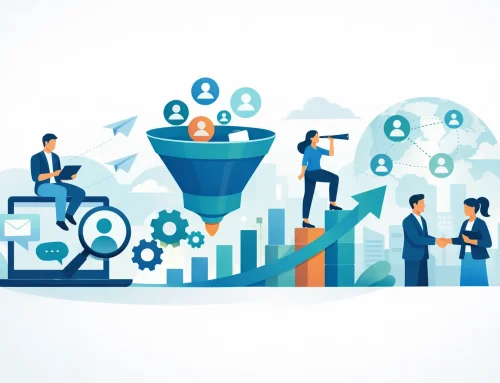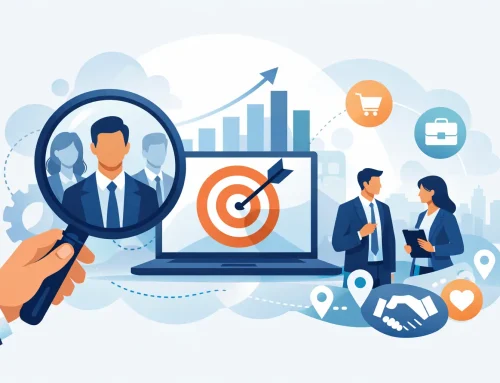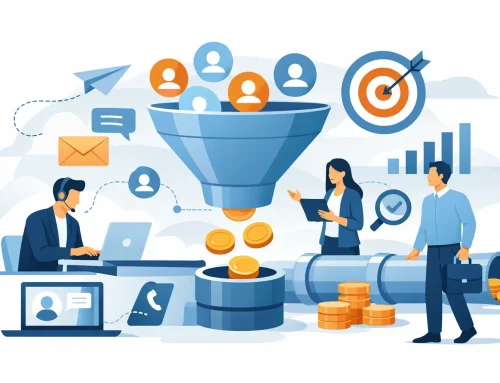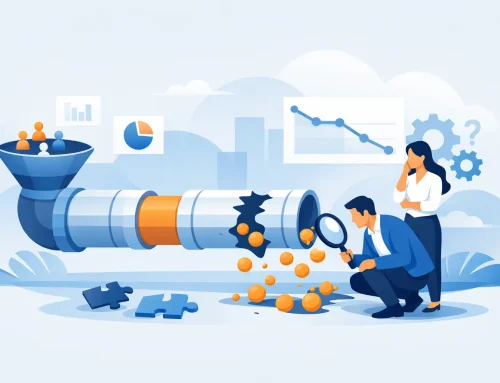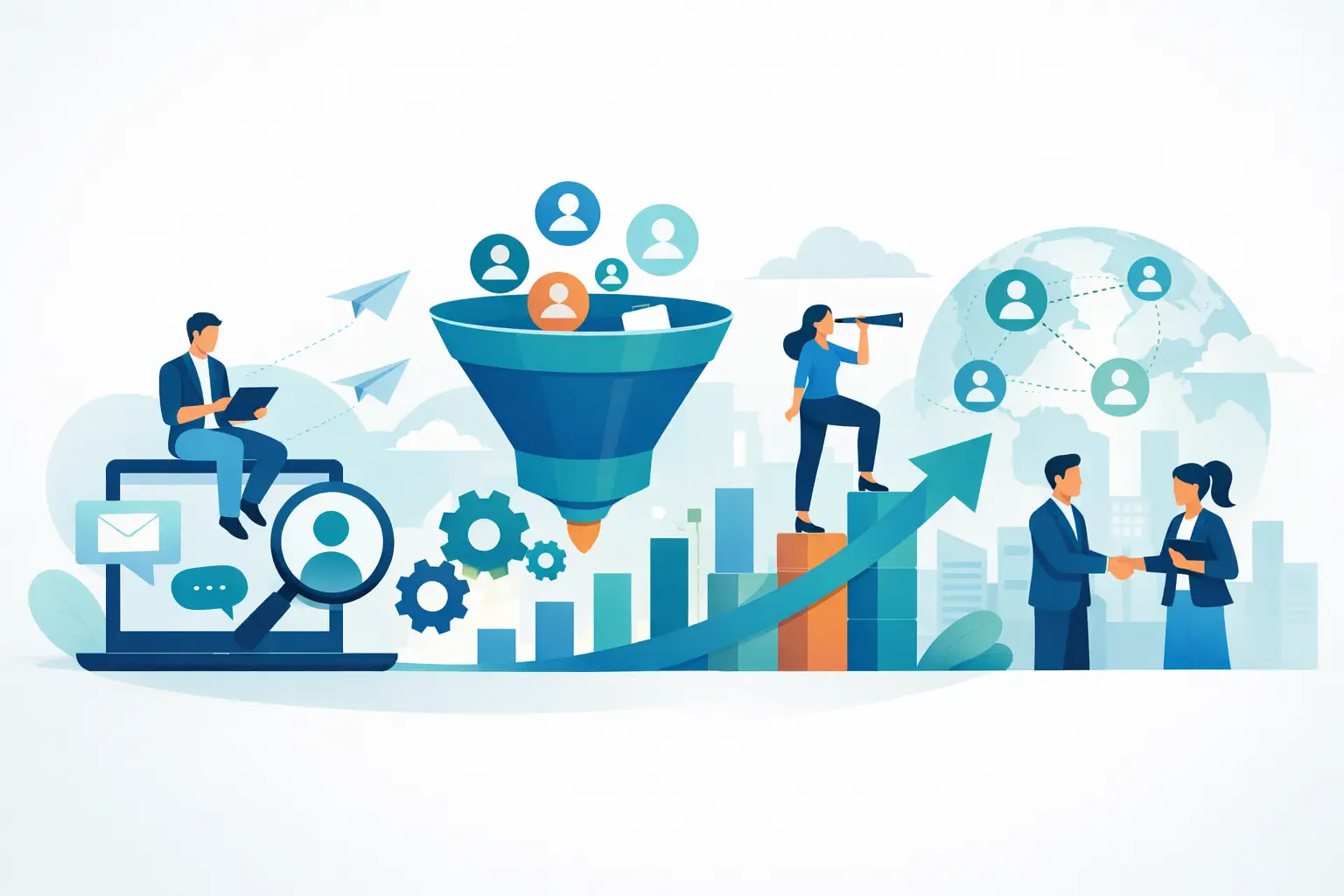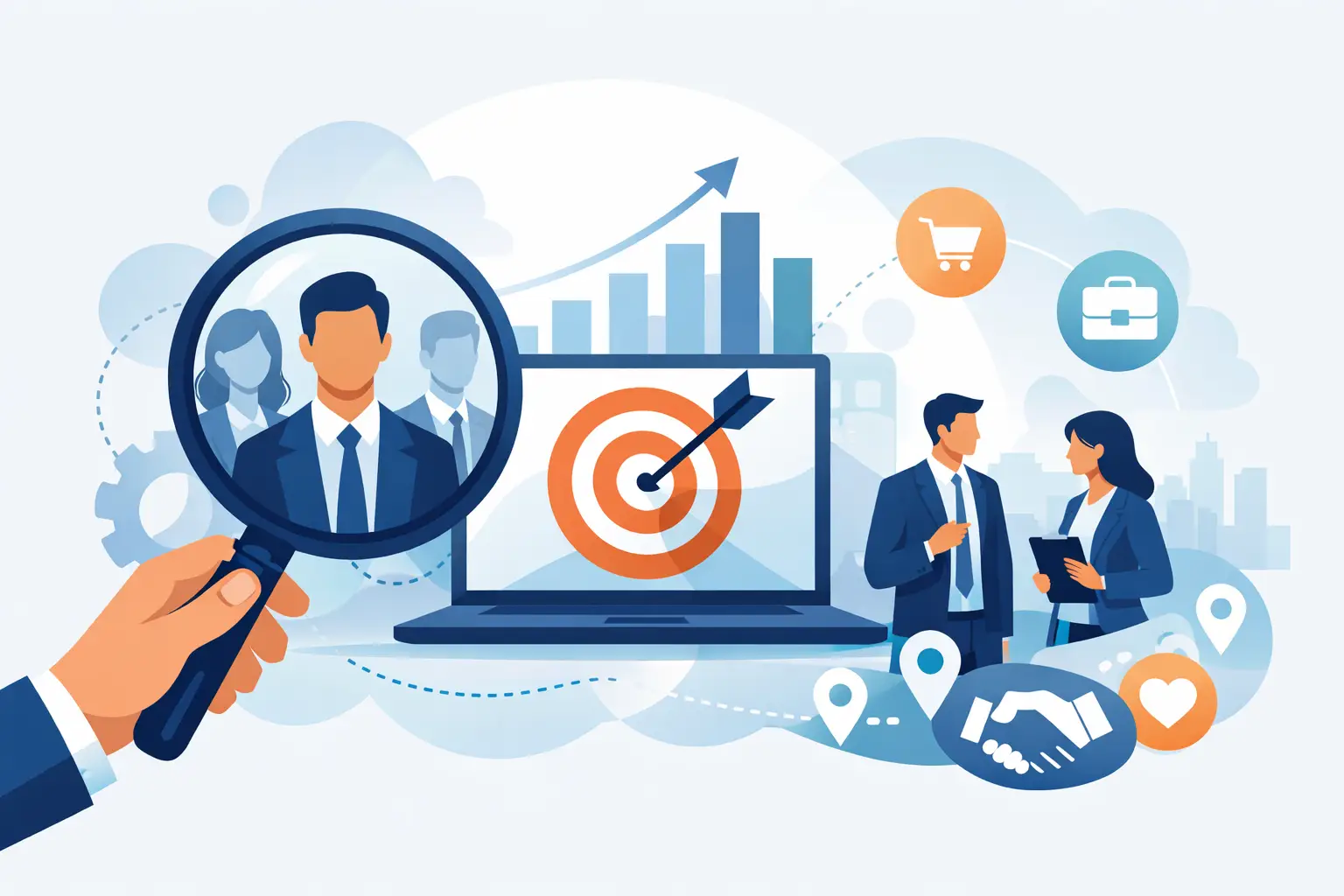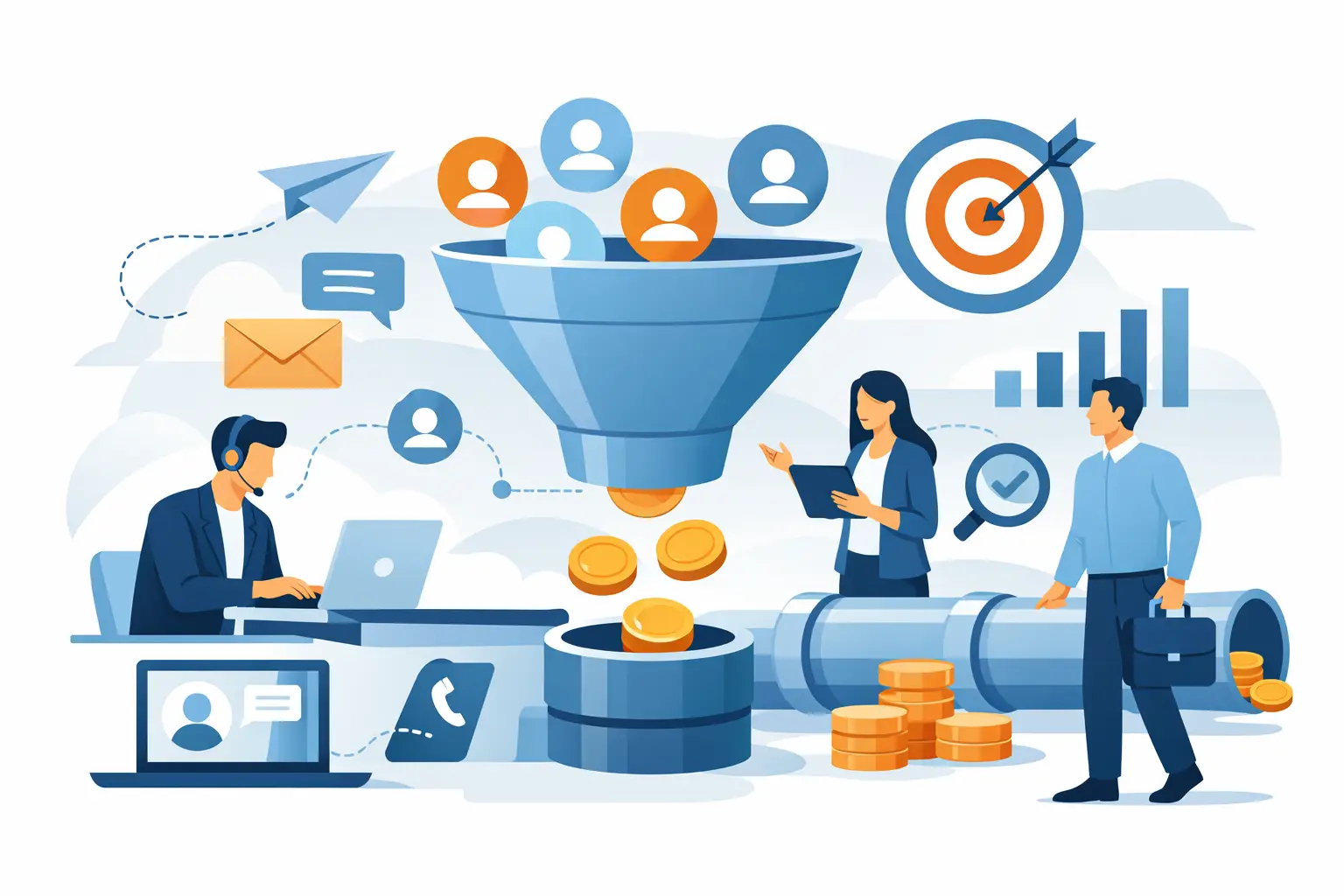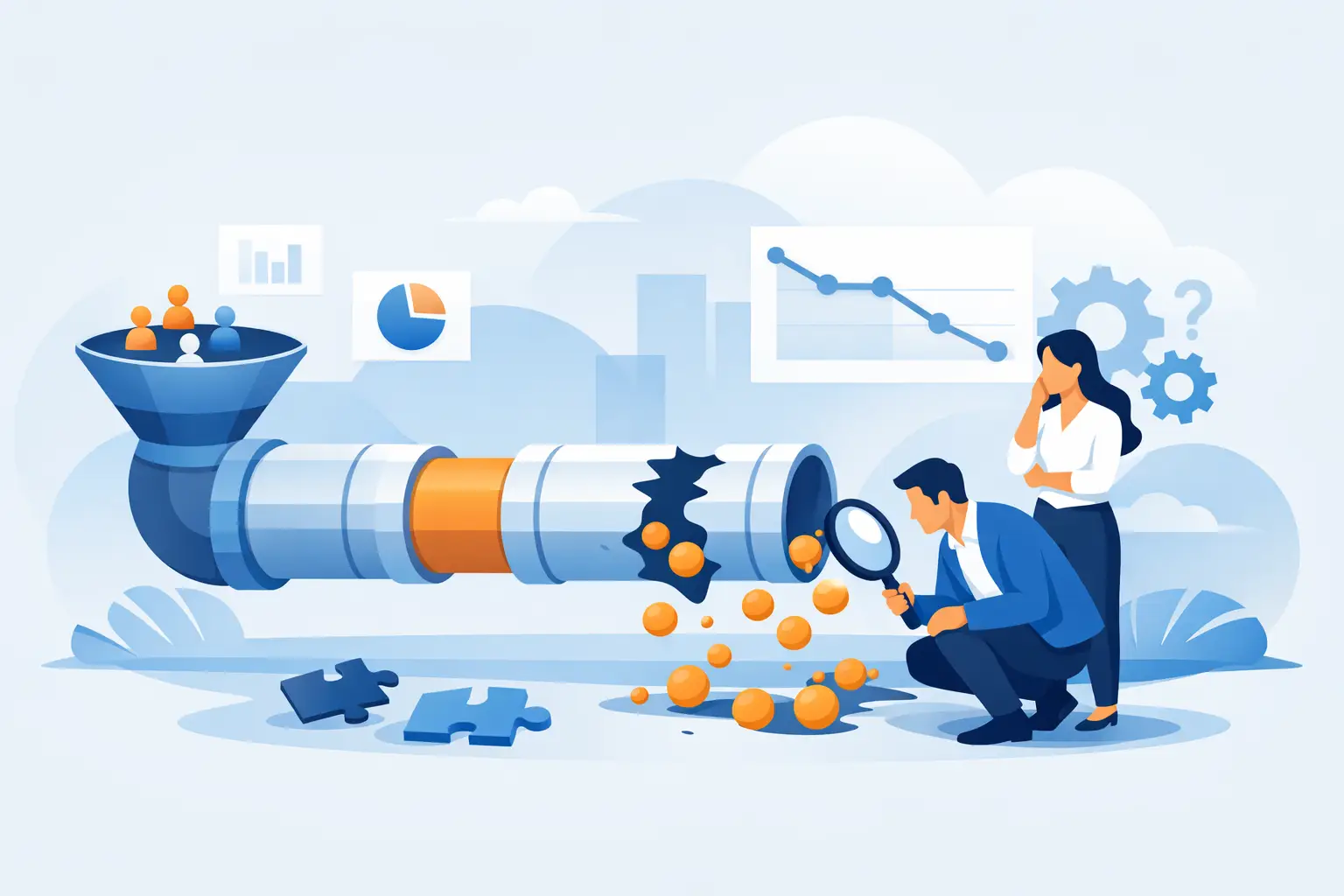
Most outbound meeting problems are not really meeting problems. They are targeting problems, messaging problems, qualification problems, or follow-up problems that show up later as no-shows, low acceptance rates, and weak pipeline. If you want to improve outbound meeting conversion, you need to fix the full path from first touch to sales conversation, not just the calendar link.
For sales leaders, founders, and revenue teams, that distinction matters. A campaign can generate replies and still fail commercially if those replies do not become qualified conversations. The goal is not more meetings on paper. The goal is more meetings that happen, fit your ICP, and move into real pipeline.
Why outbound meeting conversion breaks
A lot of teams assume conversion drops because reps need better scripts. Sometimes that is true, but it is rarely the whole story. In most cases, low conversion starts earlier with weak account selection, broad lists, or outreach that hits people who are not in market.
That creates a volume trap. Teams send more emails, make more calls, and book more loosely qualified meetings just to keep activity up. Then account executives inherit conversations with low buying intent, unclear pain points, or no urgency. Meeting conversion suffers because the campaign was optimized for output, not opportunity quality.
There is also a timing issue. Even strong messaging will underperform if it reaches the right account at the wrong moment. That is why intent signals, recent buying triggers, and role relevance matter so much. Outbound works best when it narrows the gap between who fits your market and who is most likely to engage now.
Improve outbound meeting conversion by tightening targeting
The fastest way to improve conversion is to stop treating outbound as a list-building exercise. Better meetings come from better account selection.
Start with your actual closed-won data. Look at which industries, company sizes, job titles, and buying environments convert from meeting to opportunity and from opportunity to revenue. That profile is more useful than a generic ideal customer statement because it reflects your real sales motion.
Then narrow your outbound segments. If your offer performs best with multi-location healthcare operators or mid-market logistics firms with recent expansion activity, build around that. Specificity improves relevance, and relevance improves response quality.
This is also where intent data earns its keep. If a prospect fits your ICP and is showing signs of active research, the odds of a booked meeting turning into a meaningful sales conversation go up. Not every intent signal is equal, and some markets are noisier than others, but using demand indicators is usually better than relying on static lists alone.
Messaging that improves outbound meeting conversion
Most outbound messaging fails because it asks for a meeting before earning one. It talks about the seller, not the buyer. It sounds polished, but not credible.
High-converting messaging does three things well. It shows the sender understands the prospect’s operating environment, it ties the problem to a business outcome, and it makes the next step feel reasonable.
That means your outreach should not lead with a long company introduction. It should lead with a problem pattern the buyer already recognizes. For example, a VP of Sales is more likely to engage with a message about inconsistent pipeline, poor SDR efficiency, or low meeting quality than a broad promise to help them grow faster.
The same rule applies to calls. Reps do not need a theatrical opener. They need a reason for the conversation that is short, clear, and commercially relevant. If the first 15 seconds sound generic, the prospect will treat the rest of the call the same way.
There is a trade-off here. Hyper-personalization can improve response rates, but it also reduces scale and can slow execution. For many teams, the better model is structured relevance. Use segmented messaging by industry, role, and trigger event, then personalize selectively for high-value accounts.
Qualification is where weak meetings get exposed
A booked meeting is not yet a converted meeting. It still has to happen, involve the right stakeholder, and lead to a legitimate next step.
That is why qualification cannot wait until the account executive takes the call. Outbound teams need enough pre-meeting validation to protect sales capacity. At a minimum, they should know whether the account fits the ICP, whether the contact has influence, whether there is a clear business issue in play, and whether timing is realistic.
This does not mean turning every booking into an interrogation. Over-qualifying too early can kill momentum. But under-qualifying creates a more expensive problem later when closers spend their week on conversations that never had a path to revenue.
The best teams balance speed with discipline. They confirm enough to know the meeting is worth taking, then pass context cleanly into the CRM so the next conversation starts informed. That handoff matters. If the prospect has to repeat everything on the call, trust drops fast.
Fix the handoff between outbound and sales
One of the most common reasons meetings fail to convert is a broken transition from SDR activity to AE execution. Sales says the meetings are weak. Outbound says sales is not following up well enough. Both can be right.
If you want better conversion, define what a qualified meeting actually means. Put it in operational terms. Industry fit, company size, role, pain point, trigger, timeline, and any disqualifiers should be visible and agreed upon. Without that alignment, every booked meeting gets judged subjectively.
Then tighten the pre-meeting process. Calendar invites should be clear. The prospect should know what the meeting is for, who will attend, and what they will get from the conversation. Internal notes should be complete enough for the seller to tailor the discussion without starting from zero.
This is where CRM integration becomes more than an admin detail. If activity, qualification notes, and engagement history are fragmented across tools, conversion suffers because context gets lost. Operational clarity is part of sales performance.
Improve outbound meeting conversion with better follow-up
A surprising number of meetings are lost after the prospect has already shown interest. Slow follow-up, vague confirmations, and weak reminders create unnecessary drop-off.
The fix is not complicated, but it does require consistency. Once a meeting is booked, the prospect should receive immediate confirmation, a simple value-based agenda, and a reminder sequence that reinforces relevance without becoming annoying. For higher-value meetings, a short pre-call touchpoint from the account executive can make a meaningful difference.
No-shows should also have a process. Many teams treat them as dead leads too quickly. In reality, a missed meeting might reflect scheduling friction, internal priorities, or buyer overload rather than lack of interest. A structured re-engagement sequence can recover opportunities that would otherwise disappear.
That said, not every no-show deserves ongoing effort. If the account was lightly qualified and engagement was weak from the start, it may be better to recycle it than force more activity. Efficiency matters as much as persistence.
Measure the right conversion points
If your dashboard ends at meetings booked, you are measuring outbound too early. To improve outbound meeting conversion, track the points where quality becomes visible.
Start with meeting acceptance rate, show rate, and qualified meeting rate. Then go deeper into meeting-to-opportunity conversion, opportunity creation by source segment, and pipeline value per booked meeting. Those numbers reveal whether your problem is list quality, message quality, qualification quality, or downstream sales execution.
Segment the data aggressively. Compare industries, personas, sequences, channels, and rep performance. A campaign may look average at the top level while one segment is producing excellent commercial results and another is draining capacity.
This is also where channel mix matters. Email-only outreach often looks efficient but can underperform when selling into crowded markets or high-value accounts. Multichannel programs that combine email, calling, LinkedIn touches, and retargeting usually create stronger engagement because they meet buyers in more than one context. The exact mix depends on market, deal size, and buyer behavior, but single-channel outbound rarely wins for long.
The operational model matters more than most teams admit
A lot of companies try to fix conversion by asking internal reps to do more with the same broken system. Better scripts, more call blocks, another sequence, another tool. Sometimes that helps. Often it just adds activity without solving the bottleneck.
If your sales team is spending too much time sourcing, chasing weak leads, or cleaning up poor handoffs, the issue is structural. You need a top-of-funnel engine built around targeting, signal-based prospecting, consistent outreach, and qualification standards that support the sales process rather than interrupt it.
That is why managed outbound models keep gaining ground. When the work is executed with industry targeting, intent data, multichannel orchestration, AI-assisted calling, and CRM discipline, teams can scale meeting volume without sacrificing fit. Appointment Gurus operates in that lane because revenue leaders do not need more prospecting tasks. They need qualified conversations that move.
Improving conversion is rarely about one better email or one stronger rep. It comes from designing outbound so that the right buyers get the right message at the right moment, and sales receives meetings that deserve attention. When that system is in place, calendar activity starts turning into pipeline with a lot less friction.
The useful question is not how many meetings outbound can book next month. It is how many of those meetings your sales team would actually want more of.