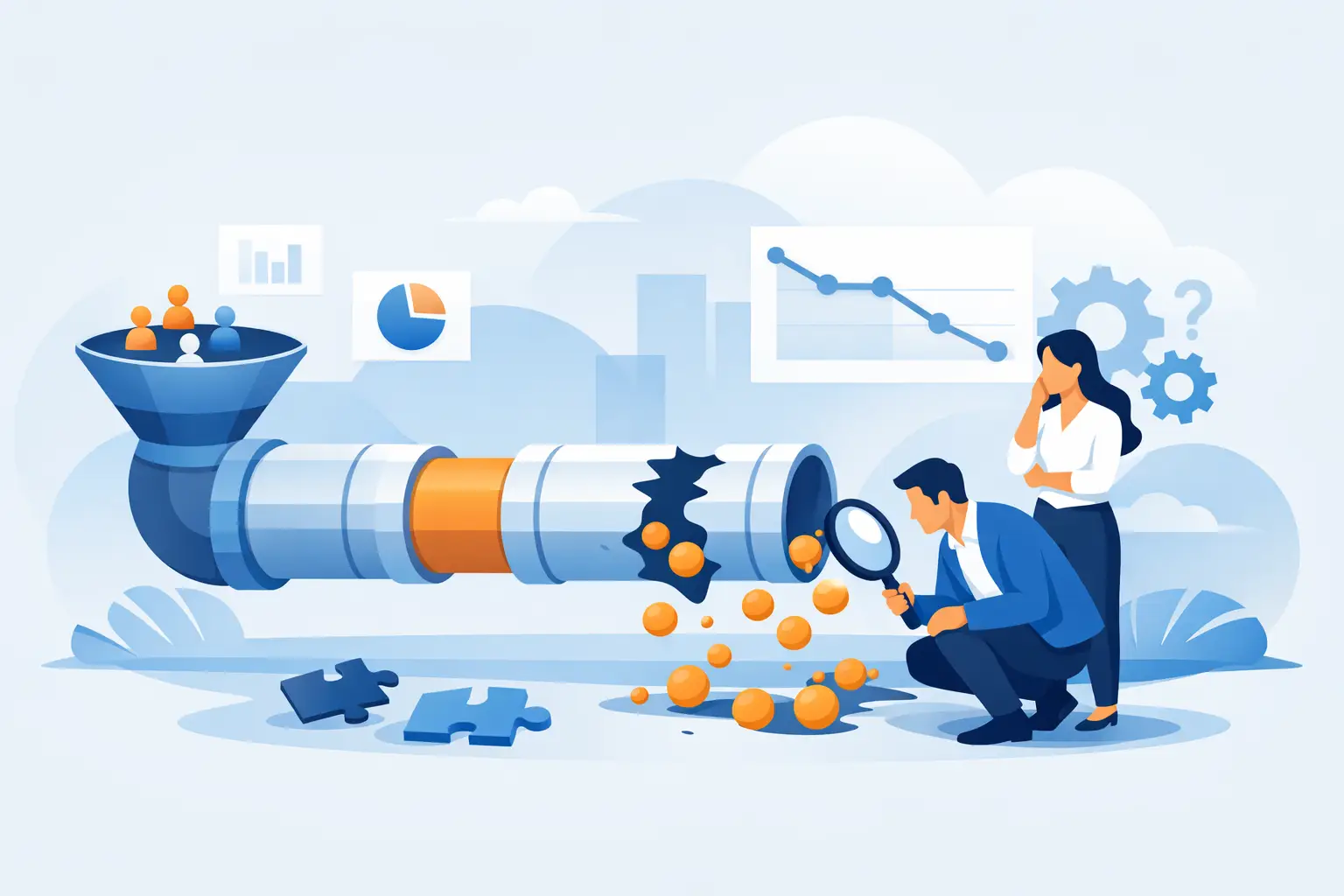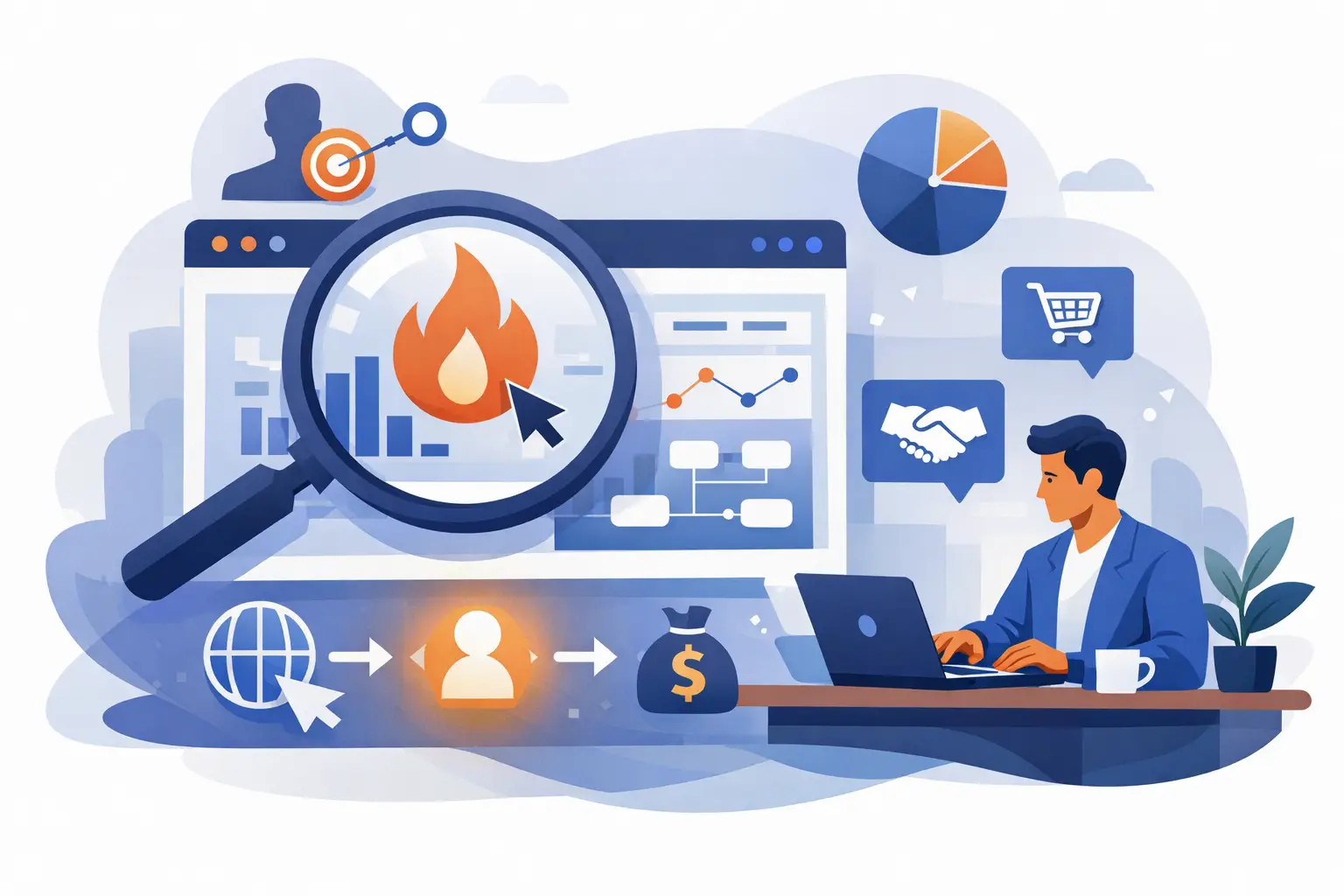
A rep spends half the week chasing cold accounts, then misses the buyer who was actively researching solutions on Tuesday. That is the pipeline problem intent data is meant to solve. If you want to know how to use intent data for sales, the short answer is this: use it to focus your team on accounts showing buying signals right now, then match outreach to what those buyers are likely trying to solve.
That sounds simple, but execution is where most teams lose momentum. They buy data, pass a few “hot” accounts to sales, and expect meetings to appear. Real results come from combining intent signals with ICP filters, account prioritization, messaging, timing, and CRM discipline. Intent data works best when it improves decisions inside an already structured sales motion.
What intent data actually tells your sales team
Intent data shows which companies are signaling interest in a category, problem, or set of topics related to your offer. Those signals can come from content consumption, research behavior, review activity, ad engagement, website visits, or interactions across publisher networks and owned channels.
For sales leaders, the value is not that intent data predicts a closed deal. It does not. What it does is narrow the field. Instead of asking your team to prospect every account that fits the market, you can identify which accounts look active now and deserve immediate attention.
That changes two things fast. First, reps spend more time on accounts with a reason to engage. Second, messaging gets sharper because outreach can align to likely pain points rather than generic positioning.
How to use intent data for sales without wasting budget
The biggest mistake is treating intent as a standalone lead source. It is a prioritization layer, not a replacement for targeting. If the account is a poor fit, intent does not fix that. A company outside your buying range, vertical focus, or technical sweet spot can still show strong research behavior and never become a viable opportunity.
Start with your ideal customer profile. Define the firmographic and operational filters that matter most – industry, company size, geography, revenue band, tech stack, compliance environment, or sales model. Then layer intent on top. That is how to use intent data for sales in a way that improves conversion instead of just increasing activity.
Once you have that foundation, score accounts based on both fit and signal strength. A mid-market logistics company showing repeated activity on supply chain visibility, automation, and vendor evaluation is more valuable than a random high-intent account with no alignment to your offer. Fit tells you who can buy. Intent tells you who may be ready to talk.
Prioritize accounts by signal quality, not volume
Not all intent signals mean the same thing. A pricing page visit from a target account is different from a single article read on a broad topic. Topic-level surges can be useful, but they are often early-stage and noisy. Owned intent, such as repeat website visits, form activity, webinar attendance, or content downloads, is usually stronger because it reflects direct engagement with your brand.
Third-party intent expands reach, but it requires interpretation. If an account is spiking on a general category term, they may be educating themselves. If they are consuming content around implementation, integrations, migration risk, or vendor comparisons, they may be further along. Sales should not treat every signal as a hand-raise. The point is to rank accounts intelligently and adjust the outreach approach.
Give reps a trigger, a reason, and a playbook
Intent data fails when it lands in a dashboard and stays there. Sales teams need operational clarity. For each high-priority account, define what triggered the flag, why it matters, and what action the rep should take next.
For example, if a healthcare IT account shows intent around patient engagement platforms and compliance workflows, the rep should not send a generic “wanted to connect” email. They should lead with a relevant business problem, a credible point of view, and a clear next step. The data should influence the message, not just the call list.
This is where strong sales operations outperform random outbound. The rep should know whether the account belongs in a fast multichannel sequence, a light-touch nurture, or an executive-led outreach motion. High intent without a response may justify AI calling, LinkedIn touches, or a coordinated email and phone sequence. Lower-confidence accounts may belong in marketing nurture until stronger signals appear.
Building an intent-led sales workflow
A practical intent workflow does not need to be complicated, but it does need to be consistent. Start by routing accounts into tiers. Tier 1 should include high-fit accounts with strong recent intent and relevant topic clusters. These go to immediate outbound. Tier 2 includes good-fit accounts with moderate intent that may need softer messaging and more touches over time. Tier 3 includes weak-fit or low-confidence accounts that stay out of active sales queues.
Next, connect intent data to your CRM and reporting. If signals are not visible where reps work, adoption drops. Reps should be able to see account score, intent topics, recency, and current sequence status without switching systems all day. Sales leaders should be able to measure whether intent-ranked accounts generate higher meeting rates, better opportunity creation, and stronger pipeline velocity than standard prospecting lists.
This matters because intent can create the illusion of progress. More “hot” accounts does not always mean more revenue. If your scoring model is weak or your outreach is generic, the data simply gives you a more expensive list. Tie intent use to metrics that matter: reply rates, qualified meetings, stage conversion, cost per opportunity, and pipeline contribution.
Match messaging to likely buyer stage
Intent data is most useful when it changes what you say. If a company appears to be researching a category at a high level, lead with problem framing and commercial outcomes. If the signals suggest evaluation, move closer to operational proof, implementation detail, and risk reduction.
A founder selling into financial services should not pitch the same way to every intent account. One firm may be exploring process improvement. Another may be trying to replace an underperforming vendor before renewal. Those are different conversations, even if both accounts are “in market.”
This is where trade-offs matter. If you over-personalize every message, speed drops and reps lose scale. If you ignore the signal context, response rates suffer. The right approach is structured personalization: build messaging tracks around common intent themes, buyer stages, and industry use cases, then let reps tailor the opening angle.
Common reasons intent data underperforms
The first issue is bad ICP discipline. Teams get excited about activity and loosen account standards. That fills pipelines with curiosity instead of qualified demand.
The second issue is timing. Intent signals decay fast. If a rep waits a week to follow up on a surge, the window may already be closed or the buyer may be deep in conversations with competitors.
The third issue is weak coordination between sales and marketing. Marketing sees the signal first, sales works the account later, and nobody agrees on thresholds or ownership. Intent performs better when there is one operating model for score rules, routing, outreach timing, and recycling.
The fourth issue is overconfidence in the data itself. Intent is directional. It is not perfect. Shared devices, broad research, competitor monitoring, and unrelated team behavior can all create noise. That is why the best teams use intent to prioritize judgment, not replace it.
Where intent data creates the most sales impact
Intent data tends to outperform in account-based sales motions, complex B2B deals, and categories where buying committees do significant research before speaking to a rep. It is especially useful when your internal team is strong at closing but weak on prospecting capacity. In that scenario, intent helps reduce wasted effort and pushes more qualified conversations into the calendar.
It also works well when paired with managed outbound execution. If your team does not have time to monitor signals, build sequences, test messaging, and maintain CRM hygiene, the value of the data drops. Appointment Gurus solves that by combining intent-based targeting with done-for-you outreach and meeting generation, which is often the missing operational layer behind underperforming data investments.
The commercial goal is straightforward. Find accounts that fit, identify the ones showing active interest, engage them with relevant outreach, and move reps out of blind prospecting mode. That is how intent data turns into meetings instead of just another dashboard.
If your sales team is working too many cold accounts, intent data is not just a tactic. It is a way to tighten focus, shorten wasted cycles, and put your pipeline effort where buying activity is already starting.