A sales team can double its outreach volume and still create less pipeline. That usually happens when scale is treated as a volume problem instead of an operating-system problem. Knowing how to scale outbound prospecting means building a repeatable way to find the right accounts, identify buying signals, start relevant conversations, and move qualified prospects into sales without creating more management overhead.
For B2B sales leaders, the goal is not a bigger activity report. The goal is more qualified meetings, better conversion from meeting to opportunity, and a predictable flow of pipeline your closers trust.
Start With the Economics of a Qualified Meeting
Outbound is only scalable when the definition of success is clear. A booked meeting is not automatically a win if the account is outside your ideal customer profile, the contact cannot influence the purchase, or there is no credible business need.
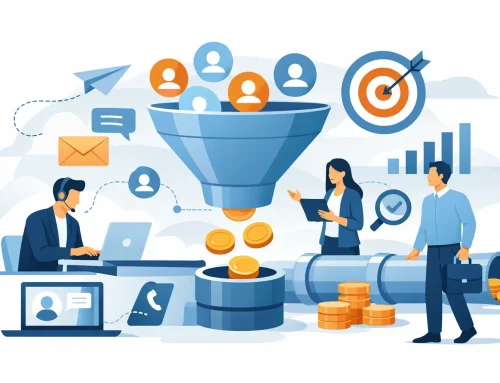
Set your primary success metric around qualified opportunities or pipeline created, then work backward. Track the rate at which prospects progress from delivered message to positive reply, from reply to meeting, from meeting to sales-accepted opportunity, and from opportunity to revenue. This exposes where the real constraint sits.
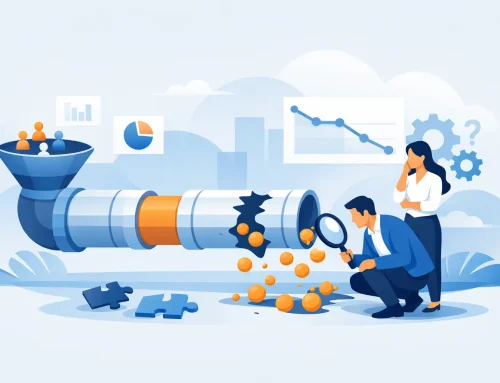
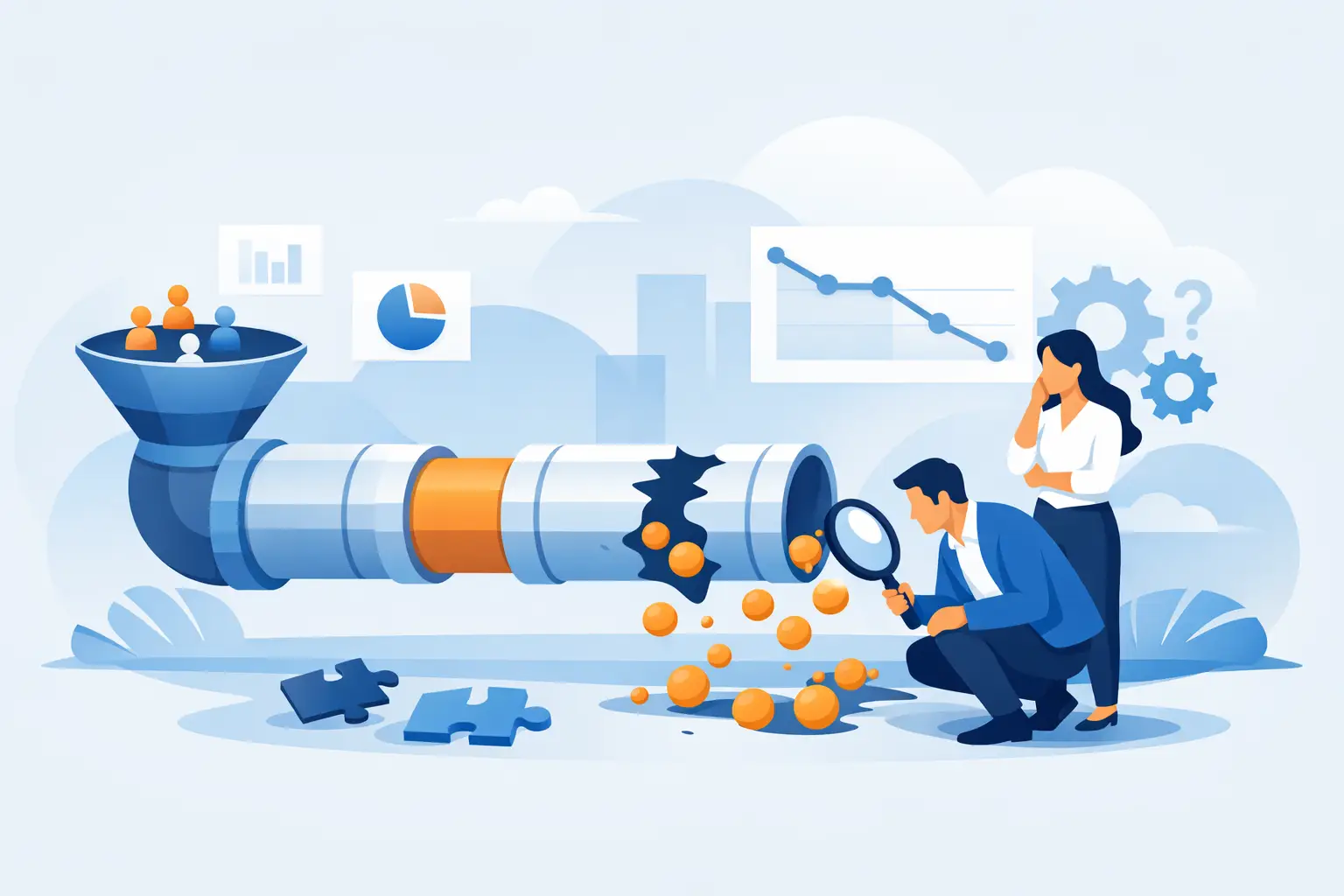
For example, a campaign generating plenty of replies but few accepted meetings has a targeting or qualification issue. A campaign producing good meetings that rarely convert may have a positioning problem, poor discovery handoff, or a mismatch between what outreach promises and what sales delivers. Scaling activity before correcting these gaps only scales wasted spend.
Define a Narrow ICP Before Expanding Volume
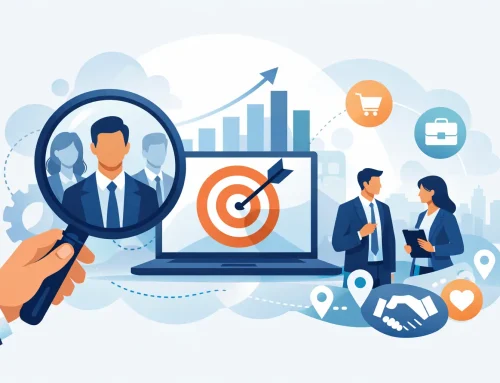
The fastest way to damage outbound performance is to treat every plausible company as a prospect. Broad lists look productive at first because they create volume. They also lower relevance, create more objections, and teach your team to chase meetings that will never become revenue.
Build your ideal customer profile around observable buying conditions, not vague firmographics alone. Industry, company size, geography, technology stack, hiring patterns, growth events, and operational complexity can all matter. The right mix depends on your offer.
A cybersecurity provider may prioritize organizations with a certain cloud environment, recent security leadership hires, and compliance exposure. A logistics firm may focus on companies opening distribution sites, expanding into new regions, or dealing with rising fulfillment complexity. An advisor may target firms with a defined revenue threshold and a visible ownership transition.
Then separate the account profile from the buying committee. The economic buyer, operational champion, technical evaluator, and day-to-day user often need different messages. One generic sequence sent to everyone may produce occasional replies, but it rarely produces a reliable pipeline engine.
Use intent as a prioritization layer
Intent data is most valuable when it helps your team decide who should be contacted first. It should not replace judgment or become an excuse to call every account that viewed a related topic.
Prioritize accounts showing a combination of fit and active signals: relevant content engagement, technology changes, hiring activity, funding, leadership transitions, website behavior, or category research. Strong outbound programs use these signals to improve timing and message relevance. They do not pretend that a single signal proves purchase readiness.
Build Campaigns Around Problems, Not Product Claims
Scaled outreach fails when every message says the same thing: we help companies grow, save time, or improve efficiency. Prospects have heard it before, and they cannot tell why a conversation is worth their time.
Create campaign themes based on specific problems your target segment already recognizes. A healthcare technology leader may care about reducing manual intake workload. A financial services executive may care about meeting compliance requirements without adding operational drag. An IT leader may care about controlling tool sprawl or protecting a distributed environment.
Each campaign should connect four points quickly: what is changing in the prospect’s environment, what operational or financial risk it creates, how your solution addresses that problem, and why a short conversation is the logical next step. Keep the call to action low-friction. Ask for a relevant discussion, not a commitment to buy.
Personalization should support this message, not bury it. Referencing a recent announcement can earn attention, but only if it connects to a credible reason for reaching out. Empty personalization such as mentioning a city, a college, or a generic company milestone is easy to spot and rarely changes response rates.
Scale Outbound Prospecting With a Multichannel System
Email alone can work in a narrow market with strong messaging and clean data. But as volume grows, relying on one channel makes performance fragile. Prospects have different communication preferences, inboxes are crowded, and a well-timed call or professional social interaction can create the context an email lacks.
A practical multichannel motion combines email, calling, professional social outreach, and selective retargeting where appropriate. The channels should reinforce one another instead of creating noise. A call can reference the problem raised in an email. A follow-up email can summarize a useful observation from a voicemail. Social engagement can build familiarity before a direct ask.
Cadence matters more than channel count. Give the prospect enough time to recognize the message, but do not stretch a sequence so long that urgency disappears. Most teams need separate cadences for high-intent accounts, standard ICP accounts, and lower-priority nurture segments.
AI calling and automation can increase coverage, particularly for initial qualification and follow-up. The trade-off is control. Automation without clear targeting, natural conversation design, and human oversight can harm brand perception quickly. Use AI to handle repetitive work and surface qualified interest, then route meaningful conversations to trained representatives who can diagnose needs and earn the next step.
Protect Data Quality and Deliverability
Outbound scale is limited by the quality of the data entering the system. Bad records waste rep time, cause messages to bounce, and distort reporting. They can also create compliance and reputation risks that are expensive to repair.
Establish a data process before adding more contacts. Verify email addresses and phone numbers, standardize company and contact fields, remove duplicates, suppress current customers and disqualified accounts, and refresh records on a consistent schedule. Define ownership for every list so no one is importing unvetted contacts into live campaigns.
Email deliverability needs the same discipline. Use appropriate sending infrastructure, ramp volume gradually, monitor bounce and complaint rates, and stop sending to disengaged contacts when the data shows the sequence is not working. More sends are not a solution to weak engagement. They are often the reason engagement gets worse.
Give SDRs a Playbook, Not a Script
Scaling with internal SDRs, an outsourced partner, or a hybrid model requires documented operating standards. The team needs clear rules for account selection, sequence enrollment, personalization, qualification, objection handling, meeting booking, and CRM updates.
A rigid script is not the answer. Experienced buyers do not respond well to conversations that sound rehearsed. A good playbook gives representatives a consistent structure while allowing them to respond to the prospect’s actual situation.
Define what counts as a qualified meeting in writing. Include required company criteria, contact seniority, problem relevance, timing, and next-step expectations. Make it easy for account executives to reject poor-fit meetings with a documented reason. That feedback should immediately improve targeting and messaging rather than become an argument between sales and prospecting teams.
Measure the Funnel Weekly and Fix One Constraint at a Time
A scalable outbound engine is managed through conversion data, not anecdotal feedback. Review performance by segment, campaign, channel, persona, and representative. Aggregate metrics can hide a major weakness, such as one industry segment producing most of the positive results while another consumes the majority of effort.
Watch leading indicators such as valid contact rate, deliverability, connection rate, reply rate, positive reply rate, and meetings booked. Pair them with outcome metrics: meeting show rate, sales acceptance rate, opportunity creation, pipeline value, and customer acquisition cost.
Do not change targeting, copy, cadence, offer, and channel mix at the same time. You will not know what caused the result. Make a focused change, allow enough activity for a meaningful sample, then decide whether to expand, revise, or stop the test.
Integrate Prospecting With the Revenue Team
Prospecting should not live in a separate spreadsheet or disconnected outreach tool. Every meaningful activity, response, qualification detail, and meeting outcome should flow into the CRM. Sales needs context before the first meeting, and leadership needs a clean view of source-to-revenue performance.
Set a service-level agreement between prospecting and sales. Specify how quickly accepted meetings are followed up, what information must be captured before booking, and how meeting outcomes are returned to the team. Without this loop, prospecting will optimize for bookings while sales complains about quality, and neither side will have enough evidence to improve.
For firms that do not want to hire, train, and manage this operation internally, a managed outbound partner can shorten the path to execution. Appointment Gurus combines targeted account selection, intent-led prioritization, multichannel outreach, AI-enabled calling, and CRM-integrated reporting to keep the focus on qualified conversations rather than raw activity.
The practical test is simple: if your outbound program creates more work than clarity, it is not ready to scale. Build the targeting, message discipline, data controls, and sales feedback loop first. Then increasing volume becomes a controlled investment in pipeline, not a gamble on more emails.