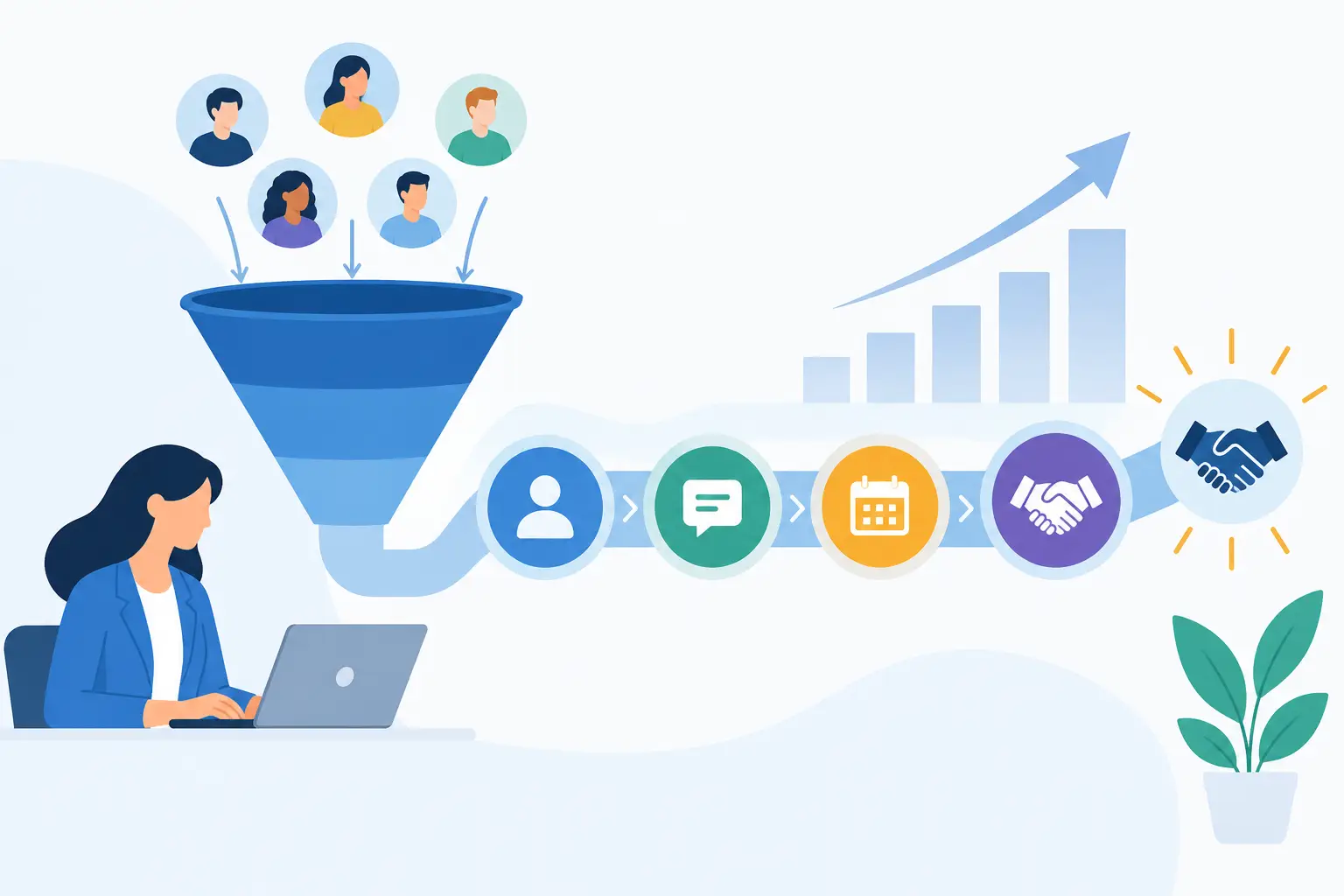
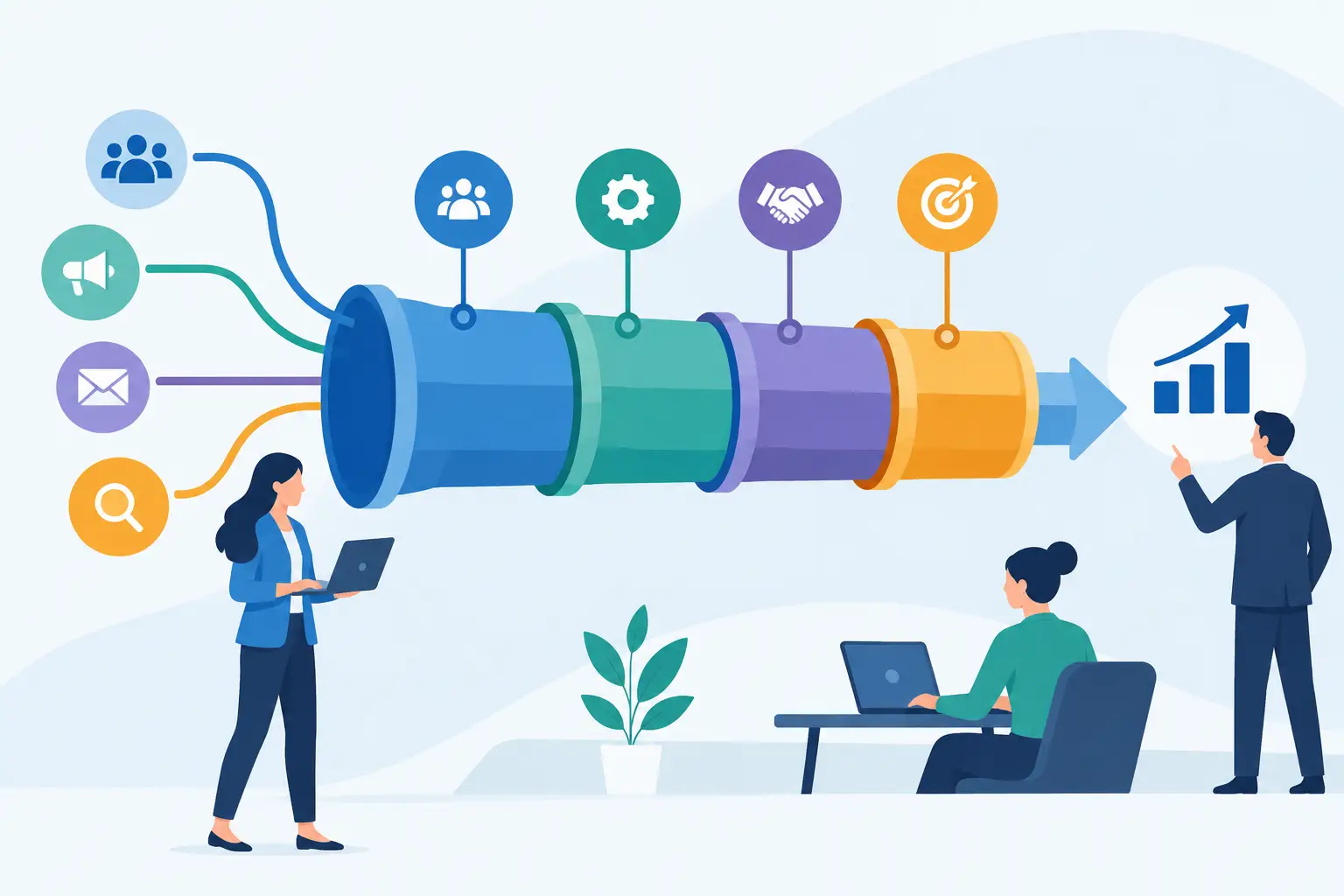
A VP of Sales rarely loses pipeline because reps sent too few first emails. Pipeline stalls because outreach stops before the prospect recognizes the problem, sees a relevant reason to engage, and has an easy way to respond. So, how many touches before reply should your team plan for? For most B2B outbound programs, expect meaningful replies to emerge across 6 to 12 well-executed touches, not one or two messages.
That range is not permission to blast prospects with generic follow-ups. It is a requirement to run a disciplined, multichannel sequence that earns attention over time. The right number depends on your market, deal size, buyer seniority, data quality, message relevance, and buying intent.
How Many Touches Before Reply in B2B Outreach?
A practical benchmark is 8 touches over 15 to 25 business days. This gives your team enough opportunities to create familiarity without turning persistence into noise. A senior executive may not see your first email, may read the third at an inconvenient moment, and may only reply after a later message lands on a pain point already under discussion internally.
Replies also do not arrive evenly. The first few touches establish awareness. Middle touches often generate the most engagement because the prospect has seen your name before and has had multiple chances to connect your message to a business priority. Final touches can produce replies when they give the buyer a low-pressure decision point, such as confirming whether a topic is relevant or whether someone else owns the initiative.
For a high-value, complex sale, 10 to 14 touches can be justified when every interaction adds context. For a narrower offer with a short sales cycle, 6 to 8 touches may be enough. The goal is not to hit a quota of activity. The goal is to create enough relevant moments for an in-market buyer to respond.
The Real Question: Are Your Touches Worth Receiving?
More touches cannot rescue weak targeting. If the account does not fit your ideal customer profile, the contact has no buying influence, or the message is disconnected from their operating reality, additional follow-up usually damages brand perception rather than creating pipeline.
Before expanding a cadence, validate three fundamentals: the account is a credible fit, the contact is connected to the problem you solve, and the trigger behind your outreach is real. Intent data, technology changes, hiring patterns, funding events, compliance pressure, growth plans, and website engagement can all provide a reason to start a conversation. The signal should shape the message, not merely decorate it.
A message to a logistics leader about reducing missed delivery windows should not read like a message to a healthcare executive managing patient access. Industry-specific outreach earns replies because it demonstrates that the sender understands the stakes, the workflow, and the likely cost of inaction.
Build a Cadence That Creates Conversations
A productive sequence combines channels and changes the angle over time. Repeating the same email with a different subject line is not a cadence. It is a missed opportunity to offer new value.
A typical 8-touch cadence might include the following:
- An email tied to a specific business challenge or trigger.
- A LinkedIn profile view or connection request that reinforces professional relevance.
- A short follow-up email with a sharper outcome, proof point, or question.
- A call attempt, with a concise voicemail only when it adds value.
- A second call or AI-assisted call designed to qualify interest at scale.
- A message that addresses a likely objection or competing priority.
- A relevant asset, event invitation, or insight connected to the account’s industry.
- A respectful close-the-loop message that makes the next step easy.
The exact channel mix should match how your buyers work. Some technology buyers respond well to email plus phone. Financial services prospects may require a more measured approach due to compliance, gatekeepers, and crowded inboxes. Healthcare leaders are often difficult to reach live, making timing and relevance especially important. Do not force every prospect through the same sequence simply because your automation platform makes it convenient.
Space Touches for Attention, Not Automation
Cadence timing matters as much as touch count. Sending four messages in four days may feel efficient internally, but it rarely gives a busy buyer time to process the offer. At the same time, waiting two weeks between every attempt lets your message disappear.
For many B2B campaigns, use a tighter rhythm in the first week, then create more space. A first email, a phone attempt, and a brief follow-up can occur within several business days. Later touches should be spaced farther apart, usually two to four business days, unless a prospect has shown engagement.
Engagement changes the sequence. A prospect who opens repeatedly, visits key pages, attends a webinar, or answers a call should move into a more tailored follow-up path. Treating an engaged account exactly like a cold record wastes valuable buying signals. Conversely, a contact who has shown no activity after a complete, high-quality cadence may need a longer cooling-off period before re-entry.
Know When to Stop Following Up
Persistence works only when it remains professional. Stop immediately when someone asks to be removed, says the timing is wrong, or indicates they are not responsible. Update the CRM, capture the reason, and avoid creating a poor experience that follows your brand into the account.
For non-responsive prospects, a completed sequence is not the end of the opportunity. It is the end of that message and timing window. Move the account into a nurture track, watch for intent signals, and return with a credible new reason to talk. A new funding announcement, leadership change, technology investment, or campaign engagement can make a previously silent contact responsive.
This is where managed prospecting creates an operational advantage. Rather than asking closing reps to remember who received which message months ago, a structured program records activity, response patterns, objections, and next actions inside the CRM. Your sales team receives qualified conversations with context, not a list of names and a vague instruction to follow up.
Measure Replies That Matter
A high reply rate is not automatically a strong result. If most replies are unsubscribe requests, referrals to generic inboxes, or polite rejections, the campaign is creating motion without pipeline. Sales leaders should evaluate the sequence against business outcomes.
Track positive reply rate, conversations started, meetings booked, show rate, sales-accepted opportunities, and pipeline created. Review results by industry, persona, account tier, channel, and message angle. These cuts reveal whether you need more touches, better targeting, a stronger offer, or tighter qualification.
For example, if touch seven produces many replies but few meetings, the message may be attracting curiosity instead of a real buying conversation. If phone touches drive the highest meeting rate among target accounts, reducing call activity to save effort can lower revenue efficiency. The data should guide the cadence, not a generic best-practice template.
Turn Touches Into Qualified Meetings
The best outreach programs do not obsess over getting a reply at any cost. They design each interaction to move the right buyer toward a useful sales conversation. That requires accurate data, account-level research, relevant messaging, consistent calling, and fast handoff when interest appears.
Appointment Gurus combines intent-led targeting, multichannel outreach, AI-enabled calling, and CRM-integrated execution to keep that process moving without adding prospecting work to your closers. The focus is not activity for activity’s sake. It is creating qualified meetings with companies that fit your market and show a credible reason to engage.
If your team is asking whether to send one more follow-up, look beyond the number. Ask whether the next touch gives the buyer a better reason to reply than the last one. When it does, persistence becomes a pipeline strategy rather than a follow-up habit.