A full calendar can hide a failing prospecting operation. Reps may be sending emails, making calls, and updating CRM records every day while qualified opportunities remain flat. The top signs outbound is broken are rarely a lack of activity. They are the operational gaps that turn activity into noise instead of pipeline.
For sales leaders, the cost is bigger than a missed monthly target. When outbound does not produce the right conversations, closers become part-time prospectors, forecasts get less reliable, and customer acquisition costs rise. The fix is not automatically more volume. It starts with identifying where targeting, messaging, data, execution, and follow-up have stopped working together.
Your outbound metrics look busy, but pipeline does not grow
The most common warning sign is a wide gap between outreach activity and commercial outcomes. Your team can report thousands of sends, hundreds of calls, and healthy open rates, yet generate few sales-qualified meetings or little pipeline that advances beyond the first conversation.
Activity metrics are useful diagnostics, not proof of performance. Open rates can be influenced by subject lines. Reply rates can be inflated by unsubscribes, referrals, or polite declines. Even booked meetings can be misleading if prospects lack the right title, urgency, budget, or use case.
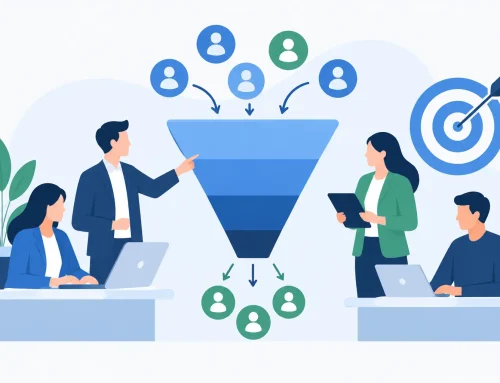
Track the full path from target account to opportunity: accounts contacted, positive replies, meetings held, sales-qualified opportunities, pipeline created, and revenue influenced. If the top of the funnel appears healthy but conversion collapses after the meeting, your appointment criteria or handoff process may be the problem. If engagement is weak from the start, focus first on the list, message, offer, and deliverability.
The signs outbound is broken often start with targeting
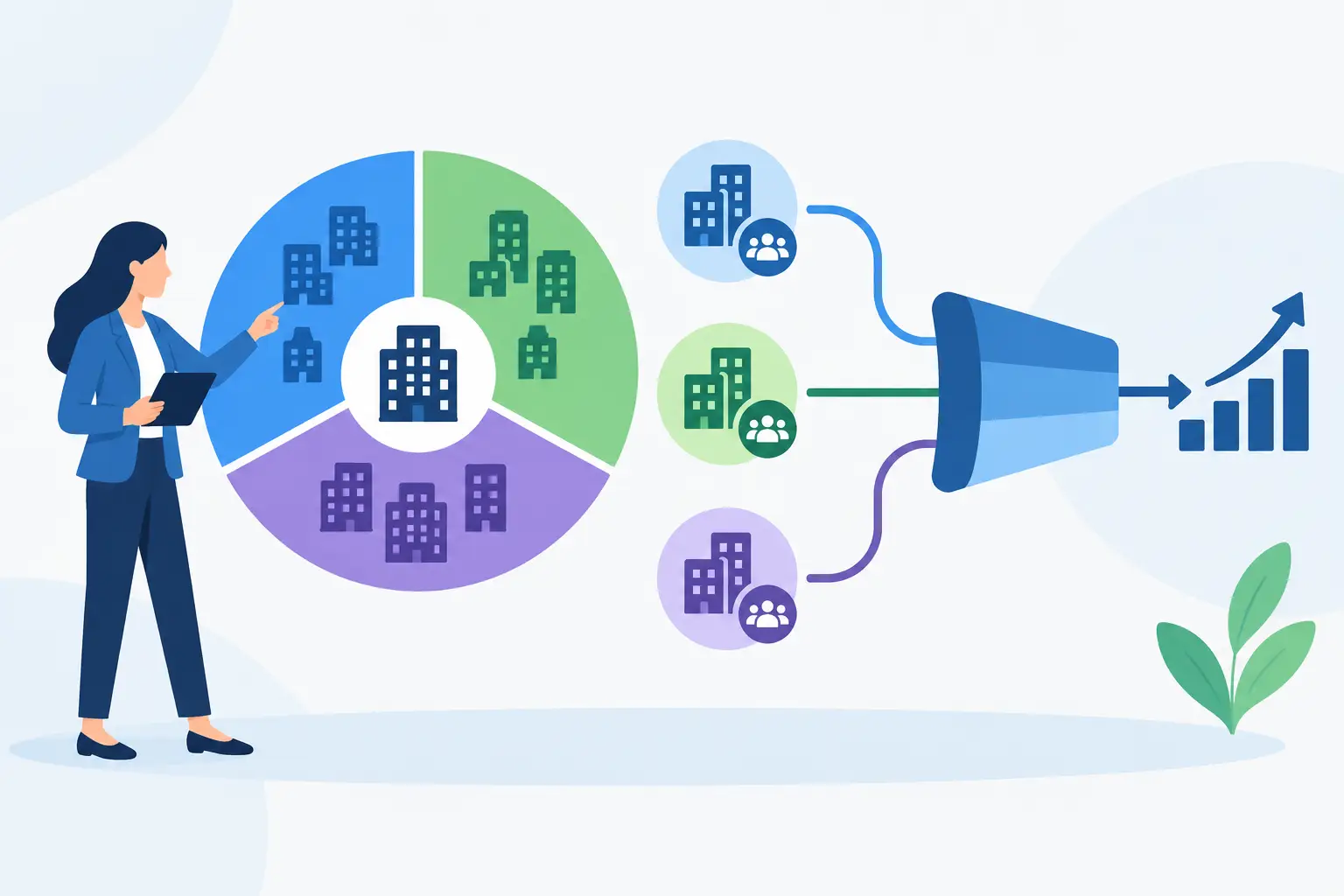
Outbound fails when a team treats a broad market as an ideal customer profile. A list of companies in the right industry is not a targeting strategy. The people on that list must have a credible reason to care now, a role in the buying process, and a business problem your offer can solve.
Generic targeting produces generic responses. Reps hear “not interested,” “send information,” or nothing at all because the outreach is based on firmographic assumptions rather than buying signals. A healthcare technology provider, for example, may meet your company-size and industry requirements, but it is not necessarily evaluating new infrastructure, changing vendors, expanding locations, or facing the problem you address.
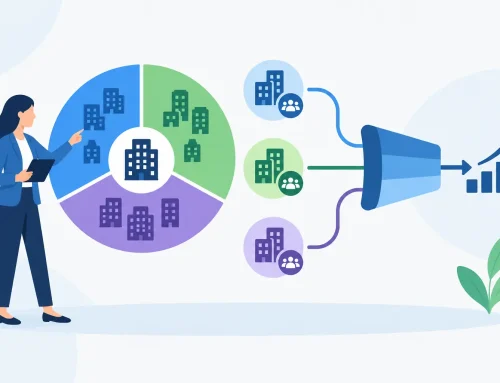
Strong outbound combines account fit with timing. That means segmenting by industry, company profile, role, technology environment, growth events, hiring patterns, and relevant intent signals. Intent data is not magic, and it should not replace sales judgment. It does, however, help a team prioritize accounts that show evidence of researching a category or experiencing a related business trigger.
When your reps regularly say the leads are “bad,” do not dismiss the feedback or simply buy a larger list. Audit the definition of a qualified account, the contact selection rules, and the signals used to determine outreach priority.
Your message describes your company, not the buyer’s problem
Another clear signal is when every campaign sounds interchangeable. Messages that lead with capabilities, awards, broad claims, or a long product explanation ask prospects to do too much work. A busy executive will not connect your services to their priorities on your behalf.
Effective outbound gives the buyer a reason to engage now. It connects a specific operational issue to a credible outcome: reducing time spent on manual claims processing, improving visibility across logistics operations, accelerating risk review, or helping a sales team create more qualified pipeline without adding management burden.
The offer matters as much as the copy. Asking for a 30-minute meeting in the first touch can work when intent is high and the pain is urgent. For colder accounts, a focused point of view, benchmark, assessment, or relevant conversation may earn the response first. The trade-off is quality versus volume. Lower-friction offers can create more engagement, but they need qualification rules so your calendar does not fill with people who will never buy.
Messaging should also change by persona. A CFO cares about cost control, risk, and return on investment. A revenue leader cares about pipeline coverage, conversion, and rep productivity. An operations executive may care most about throughput, visibility, and implementation risk. One sequence for every role is usually a sign the program is optimized for ease of sending, not relevance.
Your sales team is doing too much prospecting
Closing reps should understand the market and participate in strategic outreach. They should not spend the majority of their week building lists, checking records, chasing unqualified replies, and manually logging every touch.
When account executives own the entire top of funnel, outbound becomes inconsistent. Prospecting is the first task to disappear when demos, proposals, renewals, and internal meetings increase. The result is a familiar boom-and-bust cycle: activity drops, pipeline dries up weeks later, and leadership pushes a last-minute outreach sprint.
A predictable engine separates responsibilities without creating silos. Dedicated sales development resources can research, prioritize, launch multichannel sequences, manage early conversations, and book qualified meetings. Closers can focus on discovery, solution design, and opportunity progression. Both teams need shared definitions, CRM visibility, and a clear feedback loop.
Outsourcing can be the right answer when you need specialized execution quickly, but it is not a shortcut around strategy. A managed partner still needs access to your ideal customer profile, positioning, qualification criteria, sales process, and CRM workflow. The best model reduces management overhead while making performance more transparent, not less.
Follow-up is inconsistent or channels operate in isolation
Most prospects do not respond to the first email. If your program stops after one or two touches, it is leaving demand untapped. If it continues for weeks with the same message, it can damage your brand and domain reputation.
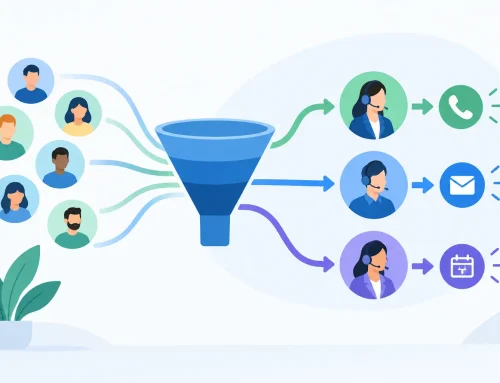
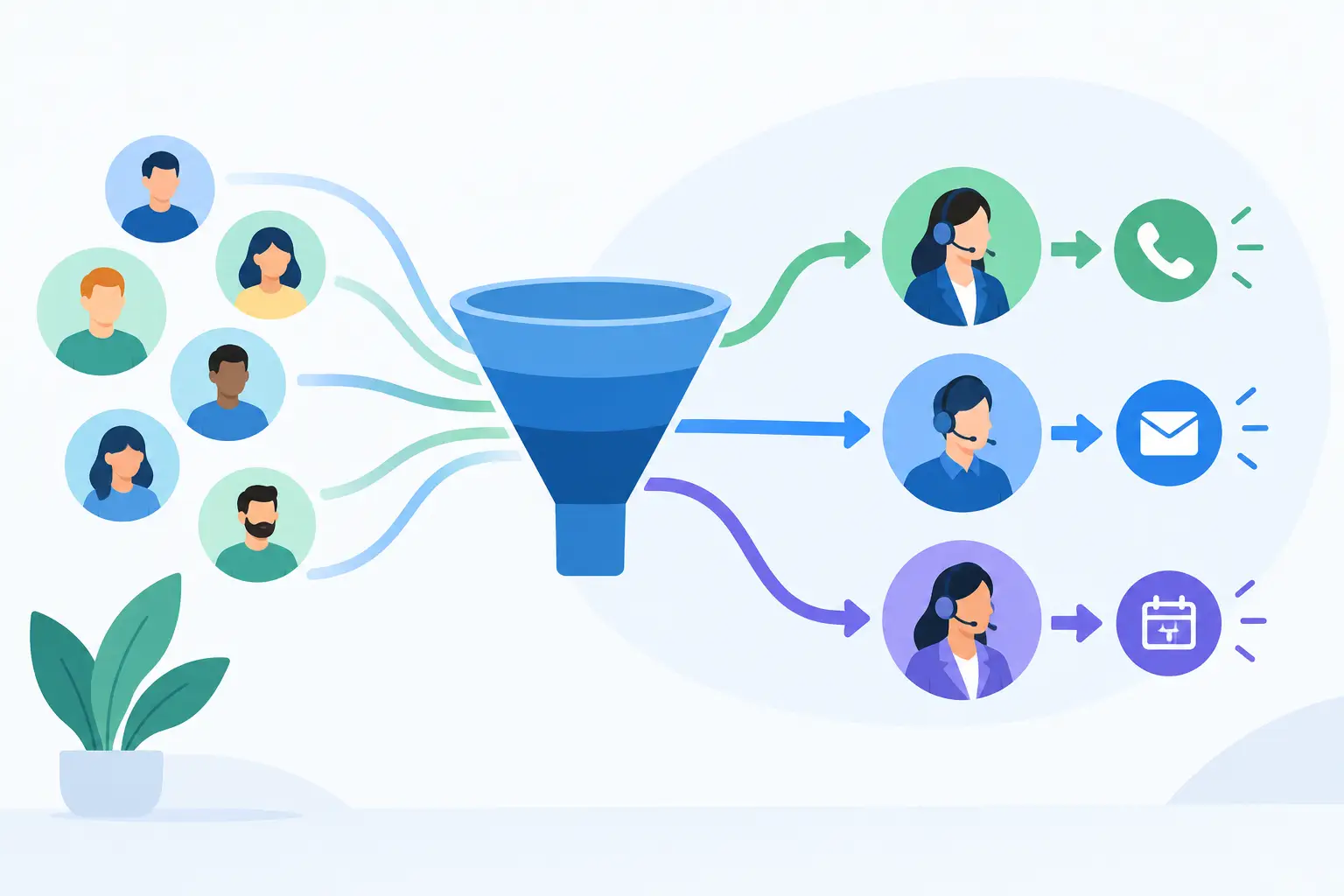
A disciplined sequence uses channels for different jobs. Email creates context and delivers a concise value proposition. Calls create live conversation and surface objections. LinkedIn can support familiarity and credibility when used selectively. Paid advertising can reinforce your message among target accounts, while webinars can create a reason for prospects to engage around a timely topic.
The goal is not to be everywhere. It is to coordinate the channels that fit your audience and sales cycle. Enterprise buyers may need more touches across a longer period, while lower-complexity offers may convert through a tighter cadence. Every interaction should be logged in the CRM so sales can see what happened before the meeting and continue the conversation without repeating the same questions.
Data quality and deliverability are quietly damaging results
If records are outdated, titles are wrong, emails bounce, or company data is incomplete, even a strong campaign will underperform. Poor data also creates a false diagnosis. Leaders may conclude that messaging failed when the actual issue was that the message never reached the right person.
Deliverability deserves the same operational attention as copywriting. A sudden decline in opens, higher bounce rates, or an increase in spam complaints can signal domain health issues, weak list hygiene, overly aggressive sending, or technical configuration problems. Adding more contacts to a damaged sending setup compounds the problem.
Build regular data validation into the outbound workflow. Remove invalid contacts, identify duplicates, refresh account information, and document why a prospect was disqualified. This improves campaign performance and gives marketing, sales development, and account executives a cleaner shared view of the market.
Meetings are booked, but sales rejects them
A calendar full of meetings is not a victory if account executives consistently reject them. This is usually a definition problem, not just an SDR performance problem. Sales development may be measured on booked meetings while sales is measured on opportunity quality and revenue. Those incentives will pull the program in different directions.
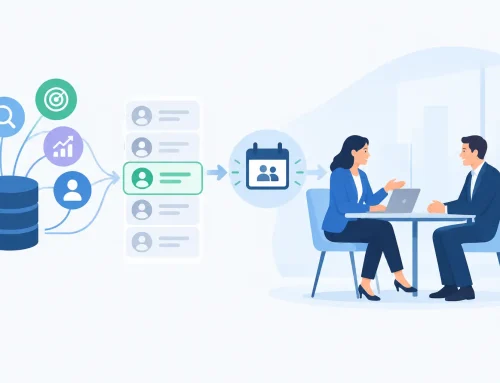
Define a qualified meeting in operational terms. Specify the account criteria, required persona, relevant pain or initiative, timing expectations, and disqualifiers. Then review held meetings together. Did the prospect match the ICP? Was there a verified business need? Did the meeting progress to a next step? Was the context captured accurately in the CRM?
Not every qualified meeting will become an opportunity. That is normal. But repeated rejection patterns point to a broken handoff, weak discovery, loose qualification, or targeting that is too broad. Fix the process before asking the team for more volume.
Rebuild outbound around measurable execution
A high-performing outbound program is a managed system, not a collection of tools and disconnected campaigns. Start with a narrow, documented ICP and the buying signals that indicate priority. Build persona-specific messaging around commercial problems, use multiple channels with a defined cadence, and measure conversion through pipeline rather than vanity metrics.
Then create a regular operating rhythm. Review account quality, response patterns, meeting outcomes, opportunity conversion, and reasons for disqualification. Test one meaningful variable at a time so you know whether a change in audience, offer, message, or channel actually improved performance.
If your internal team is spending more time finding prospects than advancing opportunities, Appointment Gurus can provide a managed top-of-funnel engine built around industry targeting, intent data, multichannel outreach, and CRM-integrated execution. The useful next step is not sending another generic sequence. It is examining where your current process loses qualified buyers and building the discipline to recover them.