A prospect who downloads a competitor comparison, researches a new CRM integration, and visits pricing pages is not the same as a cold contact with the right job title. Treating both people the same is how sales teams burn hours on outreach that was never likely to convert.
Intent data gives B2B teams a clearer view of who may be actively evaluating a solution. Used correctly, it helps sales leaders move beyond broad account lists and focus time, budget, and outbound activity on companies showing credible buying signals. The result is not a magic list of ready-to-sign buyers. It is a sharper way to prioritize the right accounts, start more relevant conversations, and create a more predictable path to qualified meetings.
What Is Intent Data?
Intent data is behavioral information that suggests a person or company is researching a topic, product category, problem, or vendor. Those signals can come from activity on your own website, engagement with your campaigns, content consumption across publisher networks, review-site research, job changes, technology changes, and other observable events.
For a sales organization, the practical question is simple: which accounts are showing enough evidence of interest to deserve immediate attention?
A company repeatedly researching cloud security, hiring security leadership, and visiting related pages on your site may be entering an active buying cycle. That does not mean every contact at the company wants a demo this week. It does mean the account should rank higher than a similar company with no recent activity.
The value is timing. Most B2B buyers begin research before they speak with vendors. By the time they complete a form, a large share of their evaluation may already be underway. Intent signals help your team engage earlier, with a message tied to the buyer’s likely priorities.
The Three Intent Data Sources That Matter
Not all intent signals carry equal weight. A strong program separates useful evidence from noise instead of treating every page view as a buying signal.
First-party intent
First-party intent is activity your company can observe directly. It includes website visits, return visits, pricing-page engagement, webinar registrations, content downloads, demo requests, email responses, paid-ad engagement, and chatbot conversations.
This is usually the most actionable signal because it reflects direct interaction with your brand. A visitor who reads a case study once may still be exploring. A target account that returns several times, reads service pages, and views pricing deserves a fast, coordinated follow-up.
First-party data is also highly dependent on your site traffic and tracking setup. If your website attracts limited traffic or offers little content for prospects to engage with, it cannot carry the entire prospecting program by itself.
Third-party intent
Third-party intent identifies research activity taking place beyond your owned channels. It may reveal that an account is consuming content related to topics such as outsourced SDR services, AI sales calling, cybersecurity compliance, logistics software, or financial planning technology.
This expands visibility into accounts that have not yet visited your website. It is valuable for finding in-market companies before competitors reach them, particularly in markets with long consideration cycles.
The trade-off is precision. Topic research does not always reveal the exact project, budget, or decision-maker. A company may be researching for general education, a client engagement, or an initiative scheduled months away. Treat third-party signals as a prioritization layer, not proof of purchase intent.
Account and trigger data
The most effective outreach programs combine behavioral intent with business triggers. Funding announcements, new executive hires, geographic expansion, hiring velocity, mergers, technology adoption, and team growth can all indicate a changing business need.
For example, a healthcare technology company hiring a VP of Sales while researching pipeline generation topics presents a stronger opportunity than either signal alone. Context turns activity into a more credible prospecting decision.
How Intent Data Produces Better Meetings
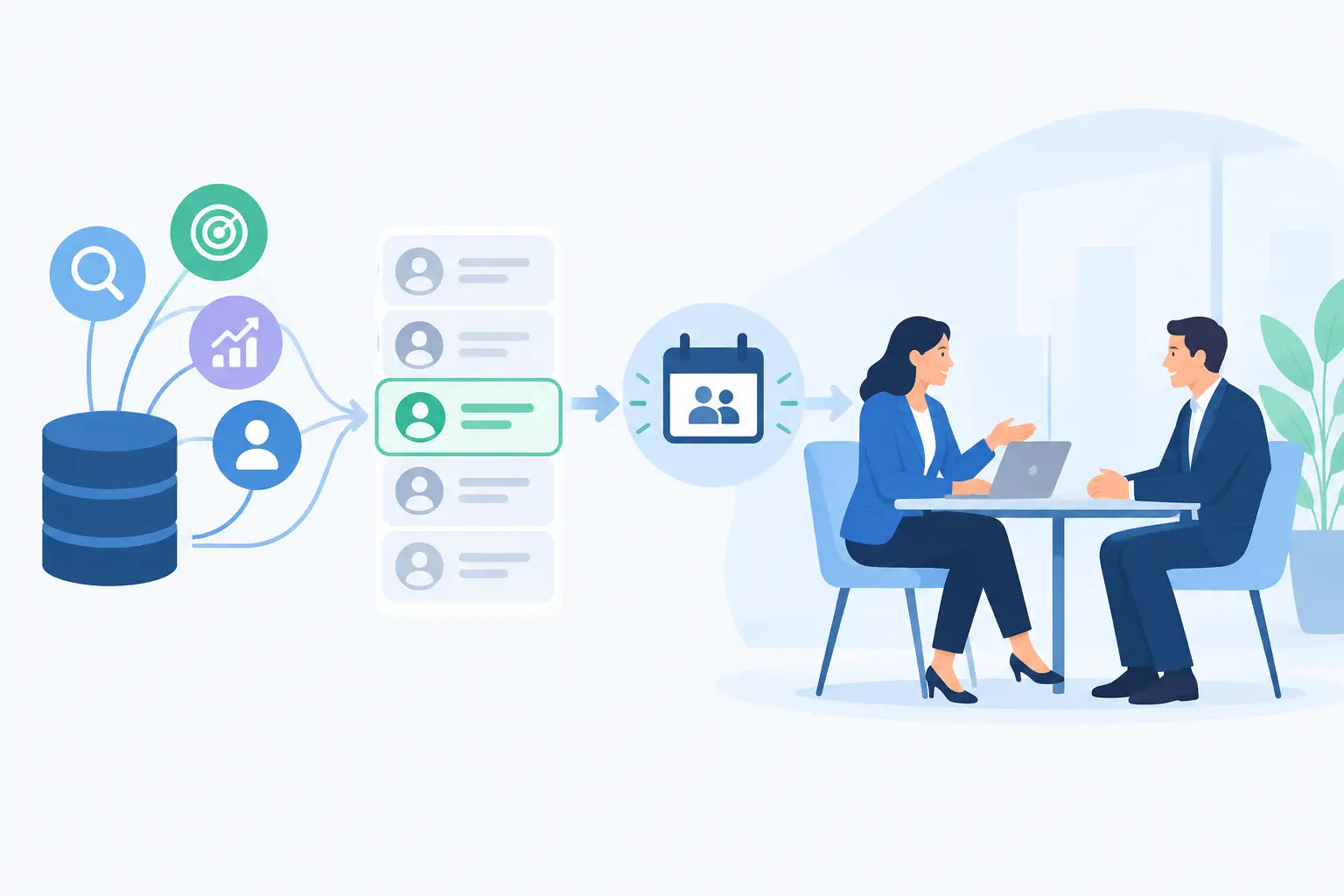
Intent data does not create pipeline by sitting in a dashboard. It produces results when it changes who your team targets, what they say, and how quickly they act.
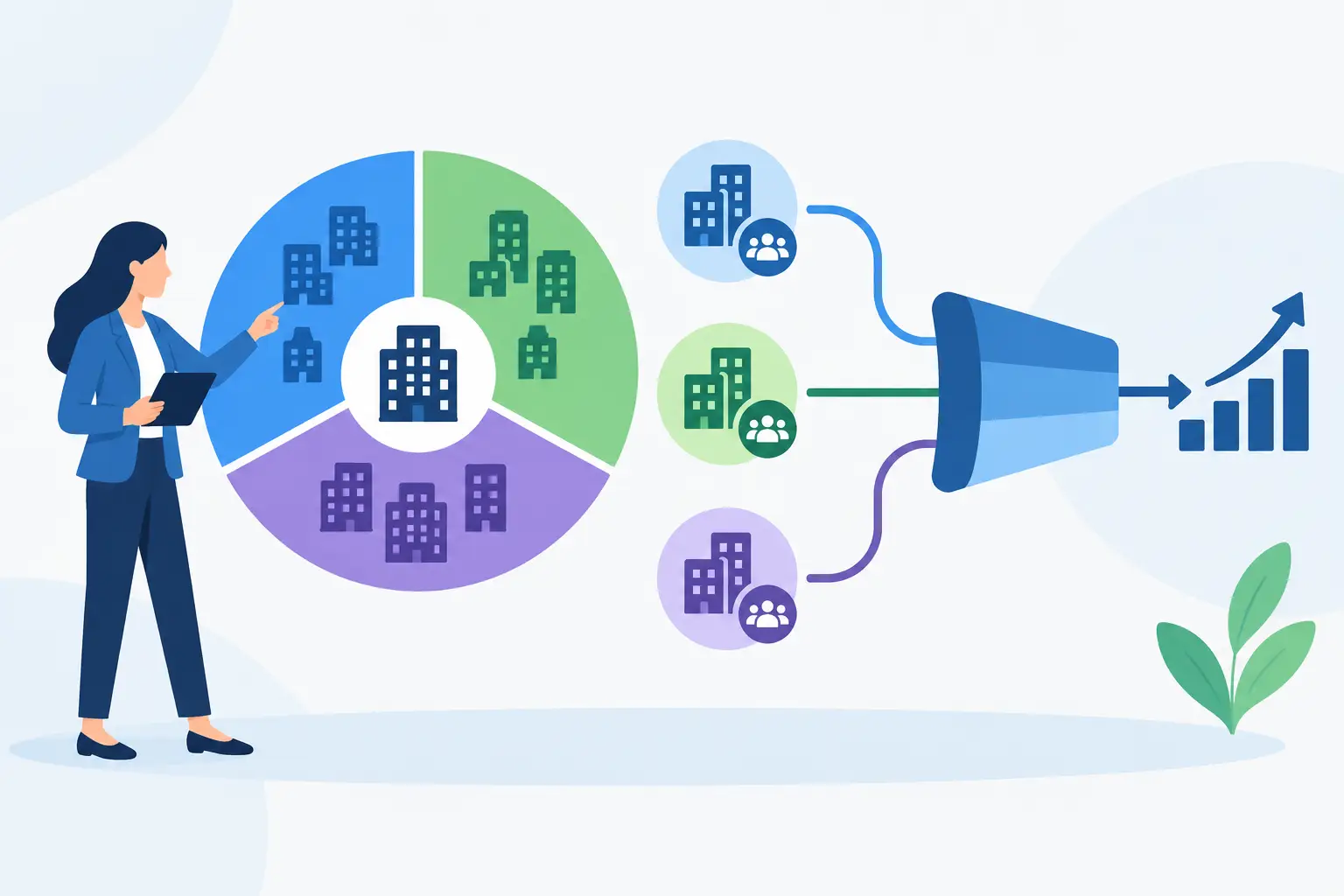
First, use intent to prioritize accounts that fit your ideal customer profile. A high-intent company outside your serviceable market, revenue range, or buyer profile can still be a poor use of sales capacity. Qualification starts with fit, then intent raises the priority of accounts that may be in market.
Second, map signals to messaging. A generic email about saving time will underperform when a prospect appears to be researching a specific problem. Outreach should connect to the likely business issue without pretending to know details you do not have. A credible message might reference the pressure to build pipeline without adding internal SDR headcount, then offer a relevant conversation.
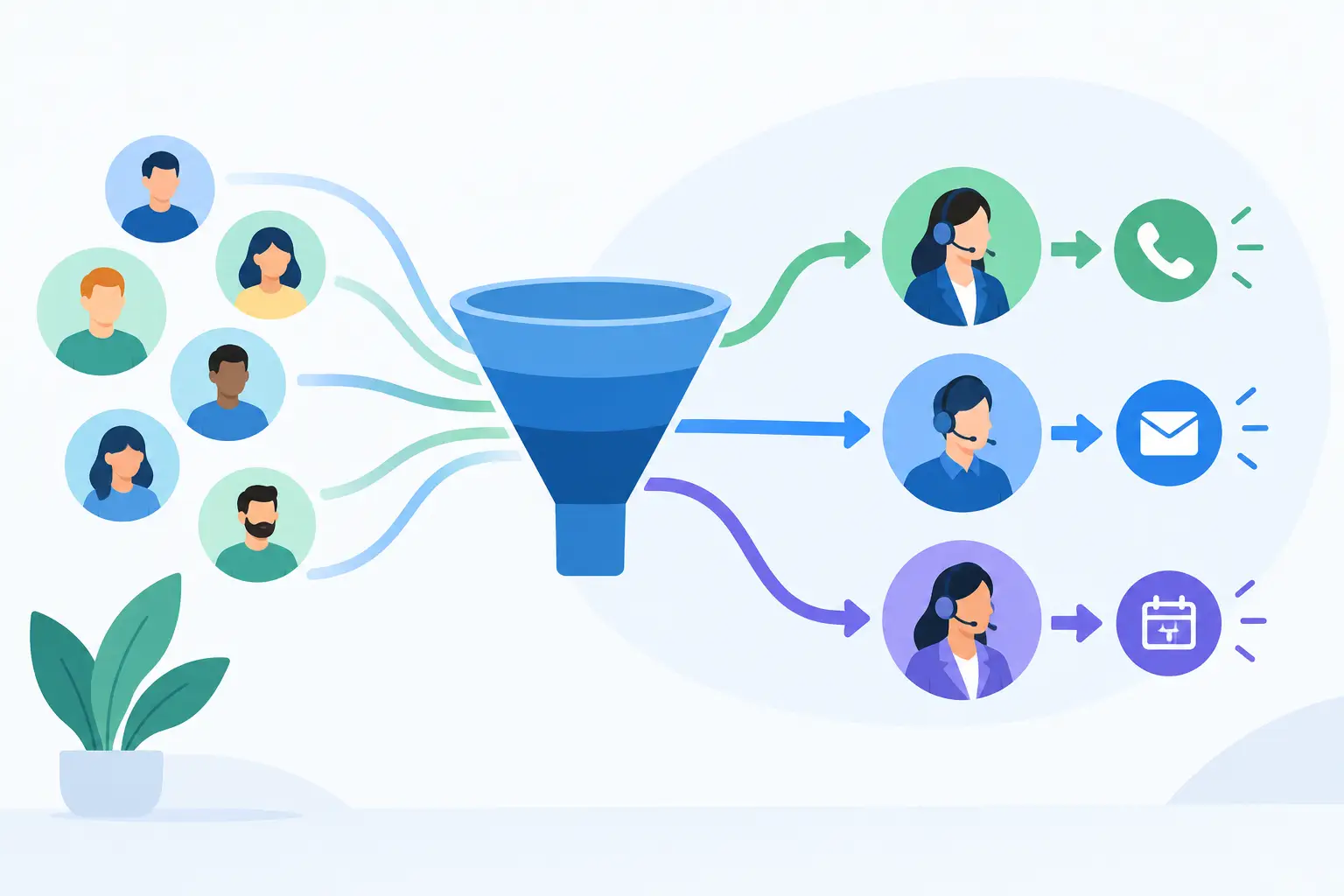
Third, coordinate channels. Intent-informed outreach works best when email, calling, LinkedIn engagement, paid retargeting, and relevant content reinforce one another. One email rarely creates demand. Multiple useful touches, delivered with discipline, create recognition and give busy buyers several ways to respond.
Fourth, define speed-to-lead standards. A warm inbound signal can cool quickly. For high-value website activity or direct engagement, sales development should have a clear routing and follow-up process. Fast does not mean aggressive. It means the prospect receives a relevant response while the problem is still top of mind.
Building an Intent Data Workflow Your Sales Team Will Use
The best workflow is operationally simple. If sales reps need to interpret dozens of weak signals, research every account manually, and update several systems before sending an email, adoption will fail.
Start by defining the ideal customer profile with real qualification criteria: industry, company size, location, revenue model, sales motion, buyer roles, and problem fit. Then establish intent thresholds. A single broad topic signal may put an account into a monitored audience. Multiple recent signals, combined with ICP fit and a business trigger, should move the account into active outreach.
Next, decide what happens after an account qualifies. Who owns research? Which contacts are selected? What messaging is approved? When does a calling sequence begin? When is an account added to retargeting? These details determine whether intent data becomes meetings or another report no one acts on.
Your CRM should hold the operating record. Sales leaders need visibility into the account, signal source, outreach status, conversations started, meeting outcomes, opportunity creation, and pipeline value. Without that connection, it is difficult to know whether the program is improving conversion rates or simply generating activity.
A managed outbound partner can remove much of this execution burden. Appointment Gurus combines industry targeting, intent signals, multichannel outreach, and CRM-integrated reporting so internal sales teams can stay focused on discovery, proposals, and closing.
Common Intent Data Mistakes That Waste Budget
The first mistake is chasing volume. Hundreds of intent accounts may look impressive, but sales capacity is finite. A smaller group of well-matched accounts with recent, relevant activity will usually produce better conversations than a massive, loosely defined audience.
The second is overpersonalizing weak signals. Referencing a prospect’s presumed research behavior too directly can feel intrusive and undermine trust. Use intent to guide relevance, not to announce that you are tracking them. Lead with a business challenge their role is likely to care about.
The third is relying on intent without a strong offer. Even an active buyer will ignore generic outreach. Your campaign needs a clear reason to respond: a practical assessment, benchmark, strategy conversation, event, or solution tied to an outcome they value.
The fourth is measuring meetings without measuring quality. A booked call is only useful if it reaches the right stakeholder, matches your qualification criteria, and has a real path to opportunity. Track show rates, accepted opportunities, pipeline created, conversion to revenue, and acquisition cost alongside appointment volume.
When Intent Data Is Most Valuable
Intent data is especially useful when your solution involves multiple stakeholders, a longer sales cycle, or a defined group of high-value target accounts. IT services, financial solutions, healthcare technology, logistics platforms, and specialized B2B services often fit this profile because buyers research well before they engage.
It is less effective when the ICP is unclear, the offer lacks differentiation, or sales follow-up is inconsistent. Intent cannot compensate for poor positioning or a slow response process. It amplifies a disciplined go-to-market system.
For sales leaders dealing with inconsistent pipeline, the goal is not to find a perfect signal that eliminates prospecting. The goal is to give every outbound hour a better chance of creating a qualified conversation. When intent data is connected to tight targeting, relevant messaging, and accountable follow-up, your team spends less time guessing and more time talking to companies that have a reason to listen.