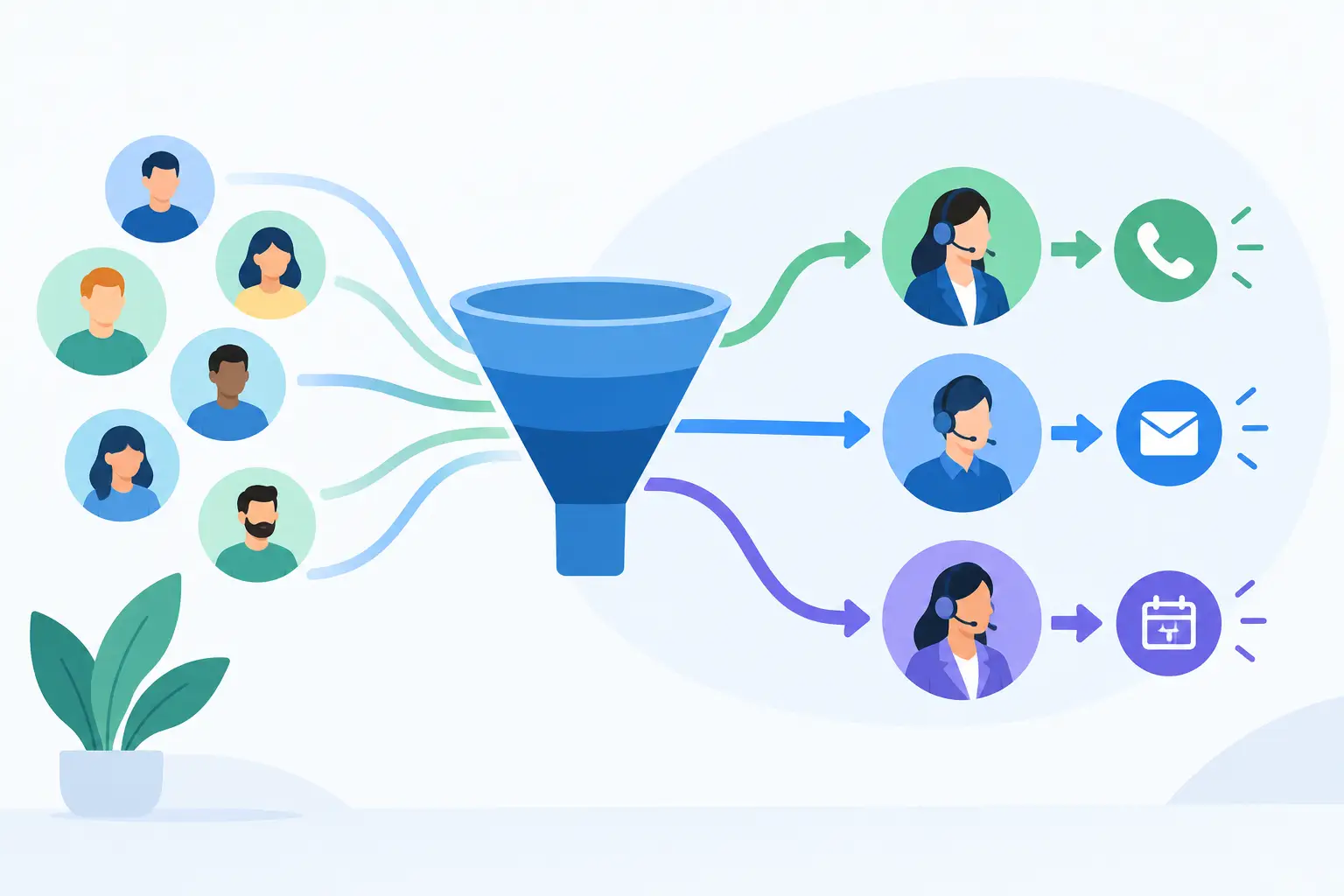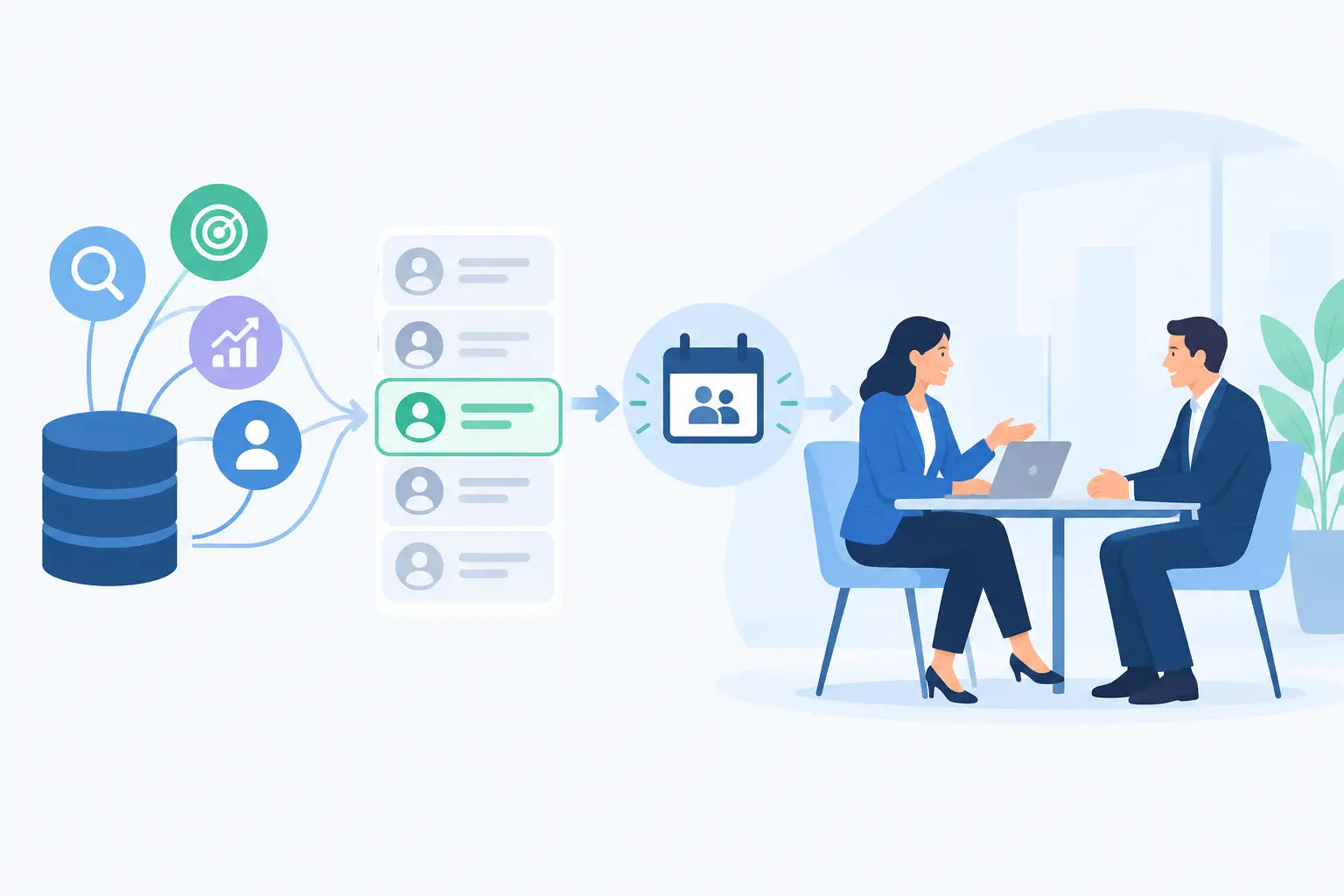
A sales team can have a strong product, capable closers, and a healthy close rate, then still miss revenue targets because the calendar is thin. That is the problem a managed lead generation guide should solve: not just producing activity, but creating a repeatable system that puts qualified, in-market buyers into real sales conversations.
For B2B sales leaders, the choice is rarely between generating leads or doing nothing. It is between asking internal reps to prospect alongside their closing responsibilities, hiring and managing an SDR team, or deploying a managed engine that owns targeting, outreach, qualification, and reporting. The right answer depends on your sales motion, market, and capacity. But the operating standard should stay the same: pipeline activity must be measurable, relevant, and connected to revenue.
What Managed Lead Generation Actually Includes
Managed lead generation is an outsourced top-of-funnel function built to identify prospects, create conversations, and book qualified appointments for your sales team. It goes beyond buying a contact list or sending automated emails. A properly managed program combines market research, ideal customer profile design, data enrichment, intent signals, messaging, outreach, follow-up, and CRM coordination.
The goal is not to hand sales a spreadsheet of names. The goal is to deliver meetings with companies that have the right profile, a credible business need, and a reason to engage now.
That distinction matters. A high volume of unqualified leads can create the appearance of progress while wasting sales capacity. If account executives spend their week disqualifying poor-fit contacts, chasing no-shows, or correcting bad data, the top of the funnel is not helping the business scale.
A managed partner should take responsibility for the work that happens before the meeting: selecting accounts, finding the right stakeholders, reaching them through appropriate channels, handling early objections, and applying agreed qualification criteria. Your internal team should be able to focus on discovery, proposals, and closing.
Start With a Revenue Definition of a Qualified Meeting
Before outreach begins, define what qualifies as a sales conversation. This is where many programs fail. Teams often agree they want more meetings, then discover later that marketing, the outsourced SDR team, and sales leadership all have different definitions of a good prospect.
A useful qualification standard should cover company fit, contact seniority, problem relevance, timing, and meeting intent. For example, a logistics software company may require target accounts to fall within a certain shipment volume, operate in a defined geography, and involve a VP of Operations, COO, or technology leader. The prospect should also have a stated challenge or active initiative connected to the offer.
Avoid overcomplicating the first version. Qualification should be strict enough to protect your sales team’s time but practical enough to generate momentum. If your requirements eliminate nearly every account in the market, no outreach partner can manufacture demand where it does not exist.
Agree on what happens when a prospect falls into a gray area. Some organizations want every relevant conversation booked. Others only want meetings where a project is active within the current quarter. Neither approach is universally right. Companies with long sales cycles may benefit from early-stage opportunities, while teams with limited closing capacity may prioritize immediate demand.
Build the Account List Around Fit and Intent
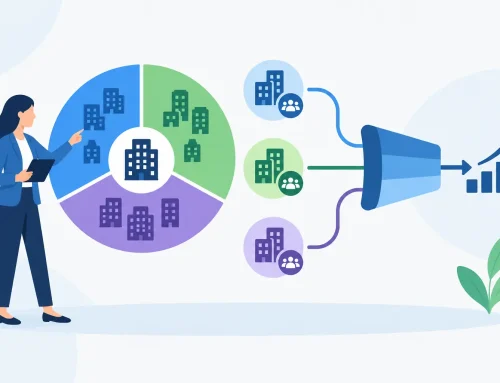
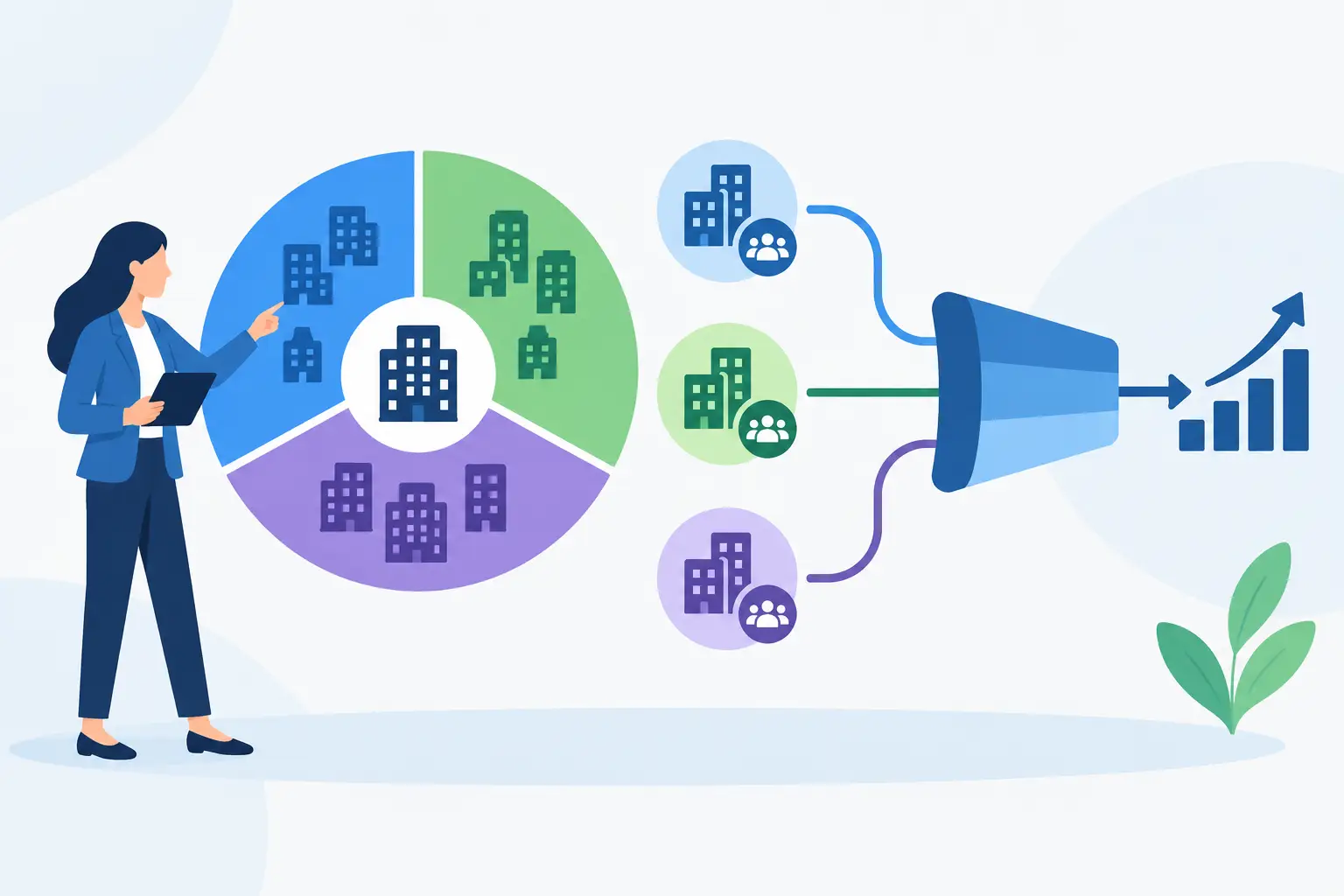
Industry and job title alone are not enough. A strong managed lead generation program uses firmographic, technographic, and behavioral signals to prioritize the accounts most likely to convert.
Firmographic targeting includes details such as company size, revenue range, location, growth stage, and industry segment. Technographic data identifies the platforms and systems a business uses, which can be valuable when your offer complements, replaces, or integrates with specific technology. Intent data adds another layer by identifying organizations researching topics related to your service or solution.
Intent should guide prioritization, not replace judgment. A company reading content about cybersecurity, for example, may be researching for a future initiative, comparing vendors, or simply educating a team. Intent signals become more valuable when they align with the ideal customer profile and are paired with the right outreach message.
Account selection should also account for your real sales capacity. If your closers can handle 25 new meetings a month, building a campaign designed to generate 100 may create a poor buyer experience and lower conversion rates. Pipeline generation works best when outreach volume, qualification standards, and sales follow-up capacity are planned together.
Use Multichannel Outreach With a Clear Purpose
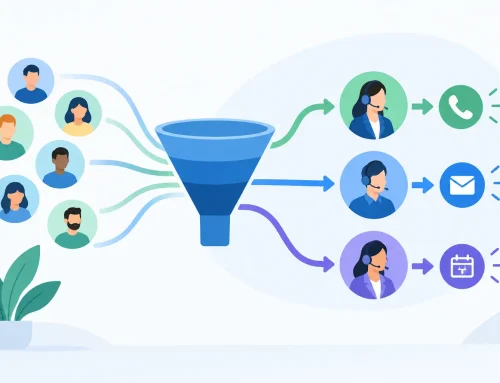
B2B buyers do not respond consistently in one channel. Some reply to email after seeing a call attempt. Others engage after a LinkedIn touch, a relevant ad, or an invitation to a webinar. Managed outreach should coordinate these touchpoints rather than treat every channel as a separate campaign.
Email creates scalable personalization when the message is specific and relevant. Phone outreach can surface objections, validate contact information, and create conversations faster with decision-makers who are difficult to reach by email. LinkedIn supports credibility and account-level visibility. Paid campaigns and webinar programs can capture demand from buyers who are already researching a solution.
The important point is not to use every channel for the sake of it. The mix should match your buyer. A financial services executive may respond to a concise, credible email followed by a call. A technology buyer evaluating a complex solution may be more likely to engage with a technical webinar or a case-driven paid campaign before accepting a meeting.
Messaging needs to earn attention quickly. Lead with a relevant operational problem, commercial outcome, or market trigger. Generic claims about saving time or transforming growth rarely perform because prospects see them every day. Specificity creates credibility: explain who you help, what problem you address, and why the conversation is timely.
Integrate the Program Into Your Sales Process
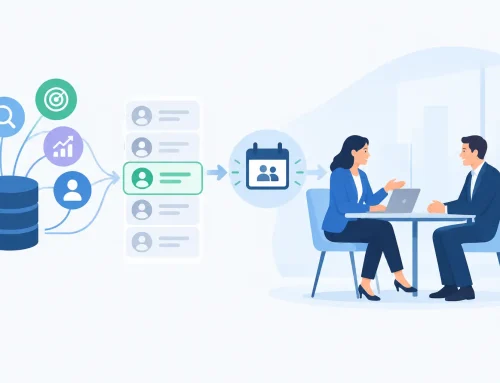
A managed provider should not operate as an isolated appointment factory. It should work inside the systems and standards that govern your revenue team. That means CRM integration, clear lead status definitions, meeting notes, source tracking, and feedback loops with sales.
Every booked meeting should arrive with enough context for the seller to prepare. At a minimum, the record should show the account, contact, role, outreach history, stated interest, qualification details, and any notable pain points. When this information is missing, account executives are forced to restart the conversation and prospects notice.
Speed-to-lead also matters. If a qualified buyer agrees to meet, confirm the appointment promptly and ensure the seller follows up if a reschedule is needed. For hand-raisers generated through paid advertising or webinars, the follow-up window should be measured in minutes or hours, not days.
Create a regular operating cadence between the managed team and internal stakeholders. A weekly review is usually enough to assess meeting quality, no-show patterns, objections, targeting gaps, and campaign performance. Sales feedback should influence future targeting and messaging, but it must be specific. “Bad leads” is not actionable. “Companies under 200 employees lack the budget” is actionable.
Measure Pipeline, Not Just Meetings
Meeting volume is an early indicator, not the final score. The metrics that matter most show whether the program is creating revenue potential at an efficient cost.
Track meetings held rather than only meetings booked, because no-shows can distort results. Measure the percentage of meetings accepted by sales, the rate at which those meetings become qualified opportunities, pipeline created, and closed-won revenue. Compare results by industry, account size, persona, channel, and campaign message to identify where demand is strongest.
Cost per meeting is useful, but it can be misleading in isolation. A low-cost meeting that never converts is expensive. A higher-cost meeting that produces substantial pipeline may be highly efficient. The better question is whether your total investment produces qualified opportunities at a cost your economics can support.
Expect an optimization period. The first weeks of a managed program often reveal assumptions that need adjustment: a target segment may be too broad, an executive persona may be less responsive than an operational buyer, or an offer may need a sharper commercial angle. Transparent reporting makes these adjustments productive rather than frustrating.
When Managed Lead Generation Is the Right Move
Managed lead generation is particularly effective when a company has a clear offer, a defined target market, and salespeople who should spend more time closing than prospecting. It is also a strong option when leadership needs to test a new segment without committing to the cost and management overhead of building an internal SDR team.
It is less effective when the offer is unclear, the target customer changes every week, or the sales team has no process for following up on qualified meetings. Outsourcing execution does not remove the need for sales discipline. It creates leverage when the internal team is ready to convert conversations into opportunities.
Appointment Gurus helps B2B teams build that leverage with industry-specific targeting, intent data, multichannel outreach, AI-enabled calling, and CRM-connected execution. The focus is straightforward: put more qualified conversations on the calendar without pulling closers back into daily prospecting.
If your pipeline depends on sporadic referrals, inconsistent outbound effort, or account executives finding their own leads between deals, the next practical step is to define your qualified meeting standard and test a managed program against pipeline outcomes. A calendar full of the right conversations gives your sales team something far more valuable than activity: a real chance to hit the number.