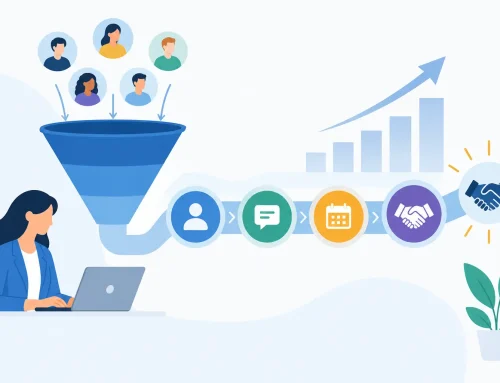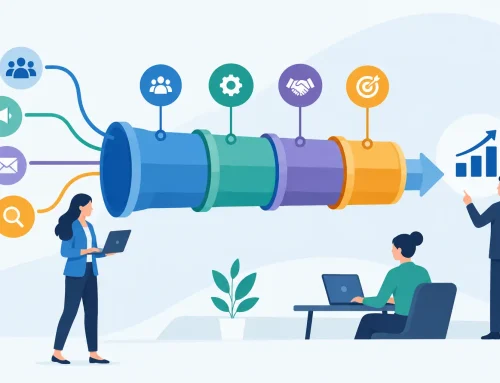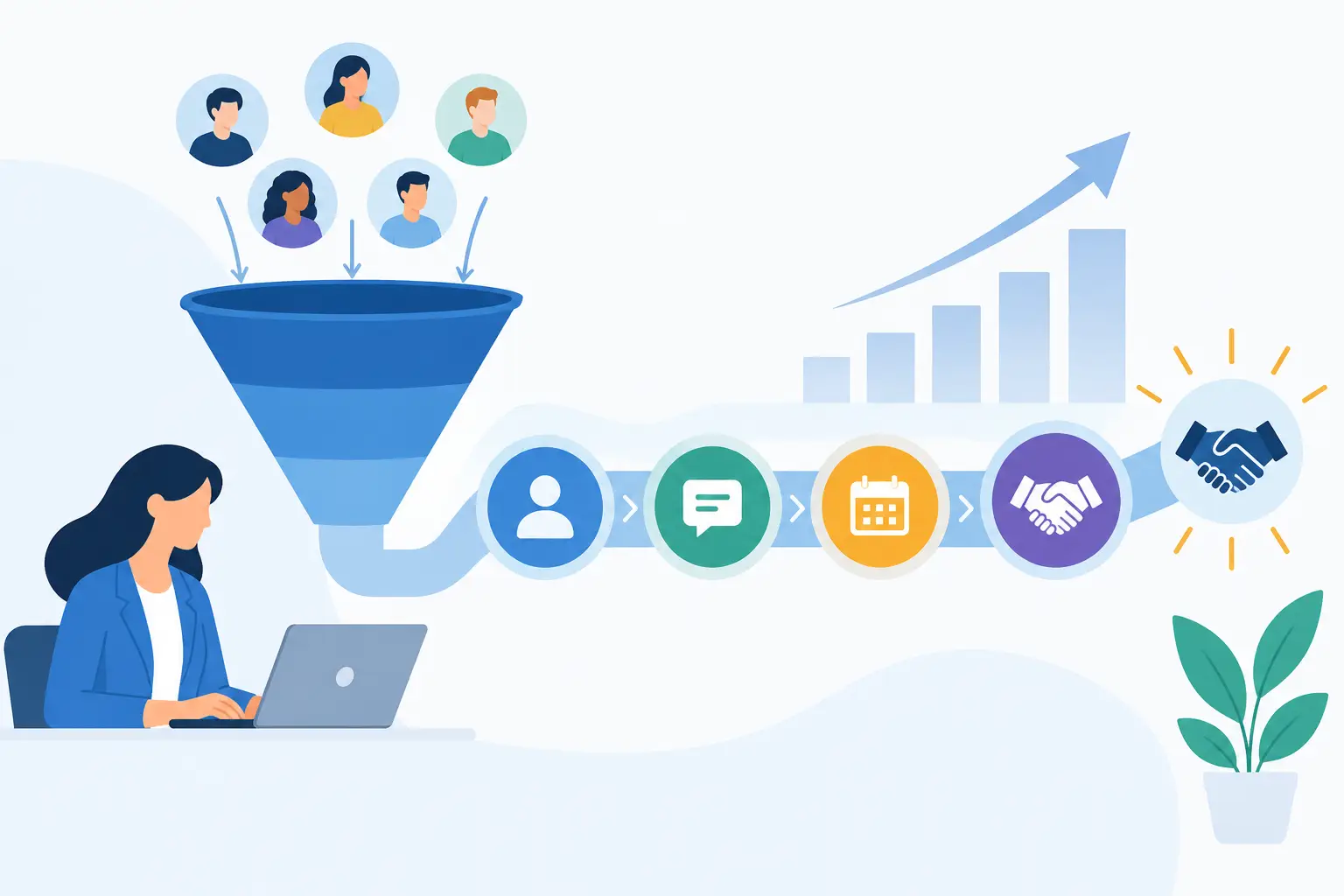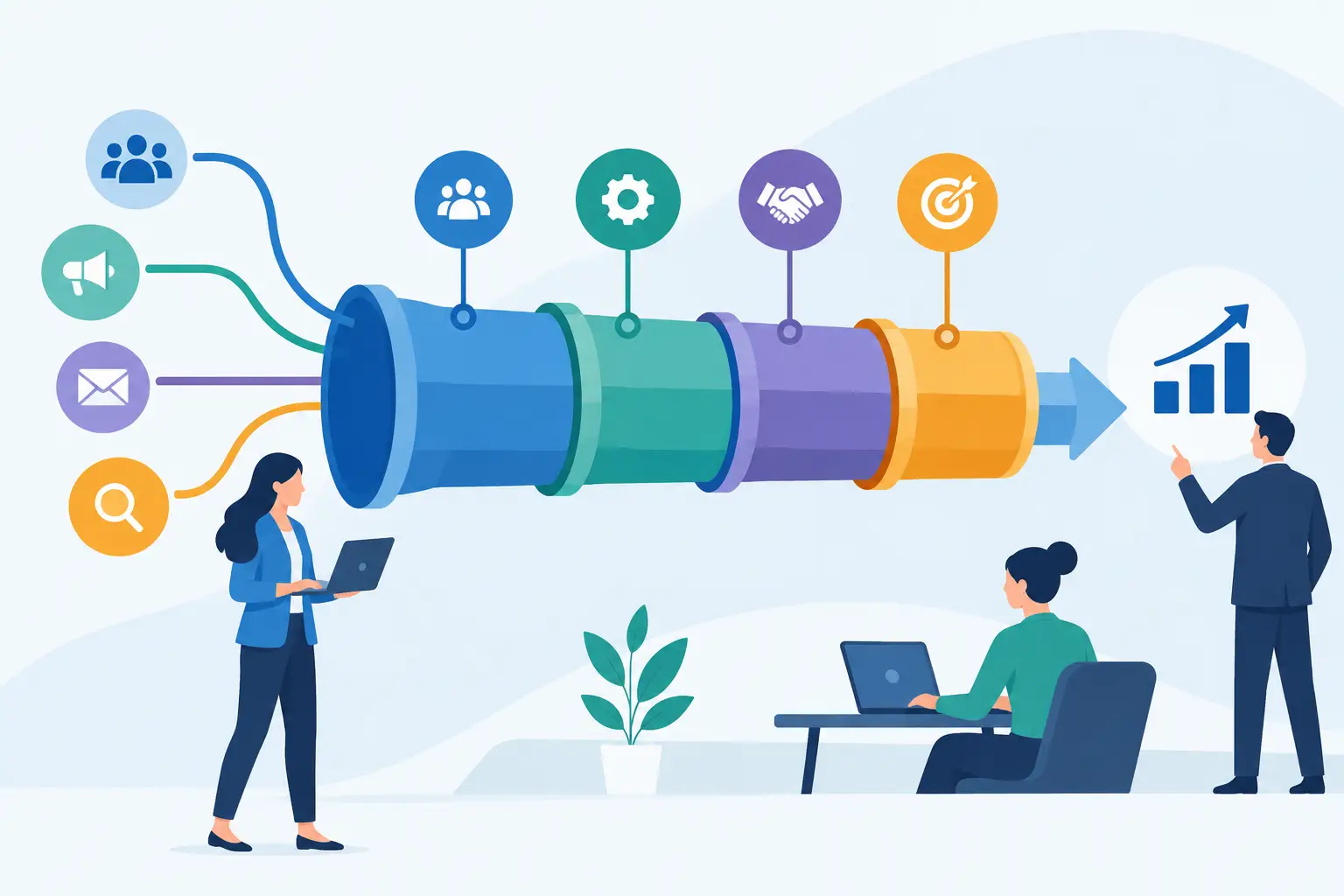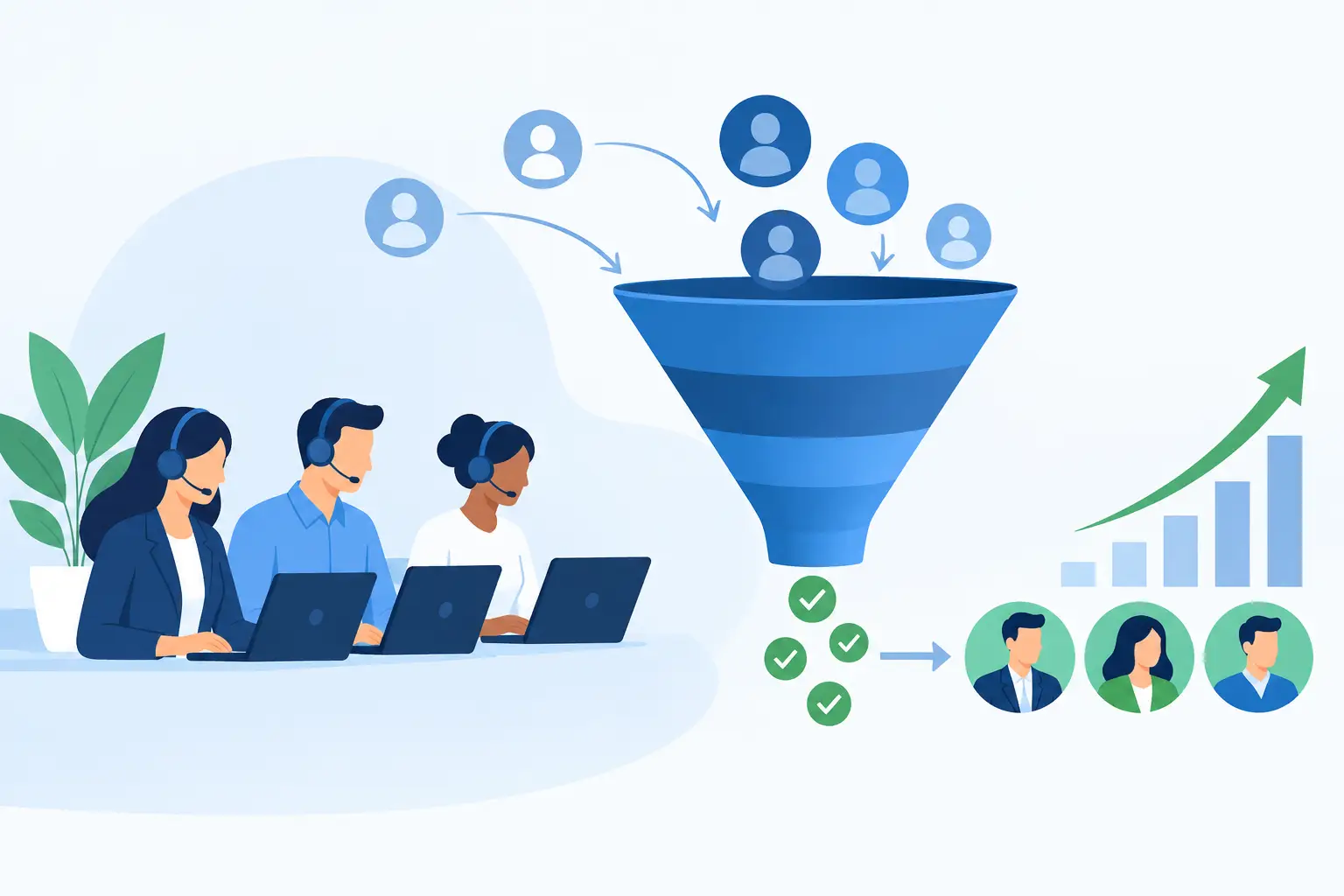
A capable account executive should spend the day advancing real opportunities, not researching accounts, cleaning contact lists, and sending first-touch emails. Yet that is exactly where many B2B sales teams lose momentum. Sales outsourcing changes the equation by putting prospecting, qualification, and meeting generation into a managed system built to feed the sales team with conversations worth having.
For sales leaders, the question is not whether outbound activity matters. It is whether the internal team has the capacity, data, process discipline, and specialized tooling to execute it consistently. When the answer is no, pipeline becomes uneven, reps spend too much time at the top of the funnel, and quarterly targets depend on last-minute activity spikes.
What Sales Outsourcing Actually Covers
Sales outsourcing is not simply hiring someone to make calls. In a B2B growth model, it is the transfer of specific sales development responsibilities to a specialist partner. The right scope depends on the business, but it commonly includes target account research, ideal customer profile refinement, contact identification, intent-based prospecting, email outreach, phone outreach, LinkedIn engagement, lead qualification, appointment setting, and CRM reporting.
The objective is straightforward: create qualified meetings and measurable pipeline without forcing closers to build their own prospect lists or forcing leadership to hire, train, manage, and replace an in-house SDR team.
This distinction matters. A low-cost calling vendor may generate activity, but activity is not pipeline. A productive outsourced sales development program connects a defined market, a relevant message, clear qualification standards, and consistent follow-up. It should give the sales organization visibility into who was contacted, why they were selected, what they responded to, and what happens next.
Why B2B Teams Turn to Outsourced Sales Development
Most companies do not have a lead problem in the abstract. They have a conversion and consistency problem. They may know their best industries, have a strong offering, and employ talented closers, but their outreach volume fluctuates whenever internal priorities shift.
Sales outsourcing creates operating capacity at the point where pipeline typically breaks down. Instead of asking account executives to prospect between demos or waiting months for new SDR hires to become productive, a managed team can launch a coordinated campaign with established workflows, data sources, messaging support, and reporting.
The commercial benefits usually show up in four areas:
- More selling time for account executives and founders
- Faster coverage of target accounts and buying committees
- Lower overhead than building a full internal prospecting function
- More predictable reporting on meetings, opportunities, and pipeline contribution
That does not mean outsourcing is automatically cheaper in every scenario. An established company with a high-performing internal SDR organization, mature enablement, and enough management capacity may be better served by expanding what already works. Outsourcing is strongest when a business needs speed, specialized execution, market coverage, or relief from the management burden of top-of-funnel work.
The Difference Between More Leads and Better Meetings
A full calendar can be misleading. If meetings are booked with companies outside your target market, contacts without buying influence, or prospects with no active need, the sales team loses trust in the entire program. They attend calls, disqualify quickly, and return to self-sourced opportunities.
That is why qualification must be defined before outreach begins. A useful qualified appointment standard may include company size, industry, geography, role, technology environment, business challenge, estimated timing, and evidence of interest. The exact criteria vary by offer. A healthcare technology provider will not qualify an opportunity the same way a logistics consultancy or financial services firm does.
The strongest programs also use buying signals rather than relying on static lists alone. Intent data, hiring activity, funding events, technology changes, website engagement, and relevant business triggers can help prioritize accounts that are more likely to be evaluating a solution. That focus makes outreach more timely and gives the conversation a credible reason to happen now.
How to Evaluate a Sales Outsourcing Partner
The market is crowded with agencies that promise leads, calls, or booked meetings. The more useful question is whether a provider can operate as an extension of your revenue team. Evaluate the system behind the promise.
Start with targeting discipline
A partner should be able to explain how it identifies your ideal customer profile and turns that definition into a usable account universe. Broad targeting usually produces broad results. If the campaign cannot distinguish between a high-value target account and a company that merely fits a loose industry label, quality will suffer.
Ask how the provider handles data validation, account exclusions, buying committees, and market segmentation. For complex B2B sales, one contact is rarely enough. Outreach should reach the roles that feel the operational problem, influence the purchase, and approve the investment.
Look for multichannel execution
Decision-makers are busy and inboxes are crowded. A single email sequence is rarely sufficient. Effective outreach combines relevant email, strategic calling, social touches, and follow-up across channels, while keeping the message consistent.
Modern AI calling can add reach and speed, particularly when it is used to support a carefully defined campaign rather than replace thoughtful qualification. Automation should increase coverage, not create generic interactions that damage brand credibility. The right partner uses technology to make the team more responsive and efficient while preserving the context needed for a real sales conversation.
Demand CRM visibility
Outsourced activity should not become a black box. Your team needs clear reporting on accounts worked, contacts reached, conversations created, meetings held, qualification outcomes, and pipeline progression. CRM integration is central to this. It prevents duplicate outreach, gives account executives the context they need before meetings, and lets leadership connect top-of-funnel activity to revenue outcomes.
Transparency also makes optimization possible. If one industry segment converts better, if a particular pain point drives replies, or if meetings from a certain title stall after discovery, the campaign can be adjusted using evidence instead of assumptions.
Align on outcomes, not vanity metrics
Open rates, dials, and emails sent can indicate execution health, but they are not the finish line. Set expectations around qualified meetings held, sales-accepted opportunities, opportunity conversion, pipeline value, and cost per opportunity.
Not every campaign produces immediate closed revenue, especially in longer enterprise sales cycles. Still, a provider should be able to show a credible connection between its work and measurable pipeline. If reporting ends at meetings booked, you do not have enough information to judge the program.
A Practical Sales Outsourcing Launch Plan
The best programs begin with alignment, not volume. Before the first campaign goes live, leadership should agree on the ideal customer profile, priority verticals, target roles, exclusion criteria, core business problems, and definition of a qualified meeting.
Next comes message development. Strong outreach does not try to explain every feature of your solution. It earns attention by connecting a recognizable business issue to a relevant outcome. For example, a CFO may respond to a conversation about reducing acquisition cost and improving forecast reliability, while an operations leader may care more about workflow delays, capacity, or compliance risk.
Campaigns should then launch in focused segments. Starting with a narrower market creates faster learning. The team can see which messages generate replies, which accounts accept meetings, and which opportunities move forward after the handoff. Once the model is working, coverage can expand without losing the discipline that created early results.
Finally, build a feedback loop between the outsourced team and internal closers. Sales representatives should share why meetings were accepted or rejected, what objections surfaced, and which account types show real urgency. This feedback is the difference between a vendor delivering appointments and a pipeline partner improving performance over time.
When Outsourcing Is the Wrong Move
Sales outsourcing cannot compensate for a weak offer, unclear positioning, or a sales process that cannot convert interest into revenue. If your team does not know who it serves, cannot articulate a meaningful problem it solves, or takes days to follow up with interested prospects, adding more meetings will magnify the operational issue.
It can also be the wrong fit when leadership expects instant enterprise deals from a new market with no testing period. Outbound creates conversations, but complex sales still require proof, discovery, trust, and follow-through. A realistic program balances urgency with the time needed to refine targeting and develop pipeline.
For companies that have product-market clarity and a capable closing process, however, the upside is substantial. Appointment Gurus combines industry targeting, intent signals, multichannel outreach, AI-enabled calling, and managed sales development to help B2B teams put more qualified conversations in front of the people who can close them.
The right sales outsourcing partner should make your revenue engine easier to manage, not harder. If your closers are spending too much time finding prospects and too little time moving real deals forward, the next practical step is to define what a qualified meeting means for your business, then build the outreach system required to produce it consistently.