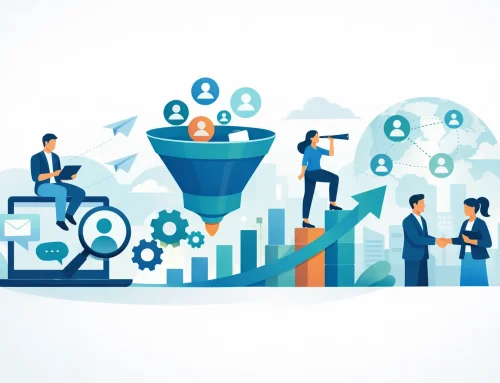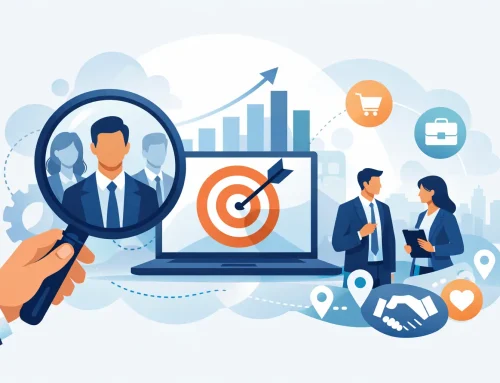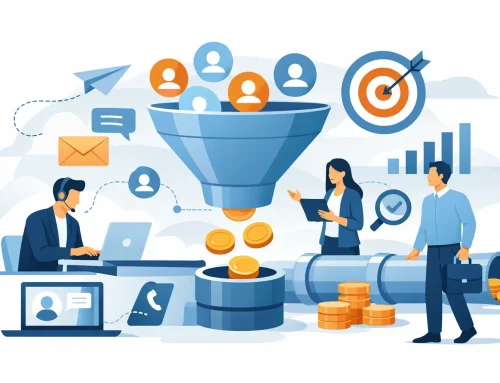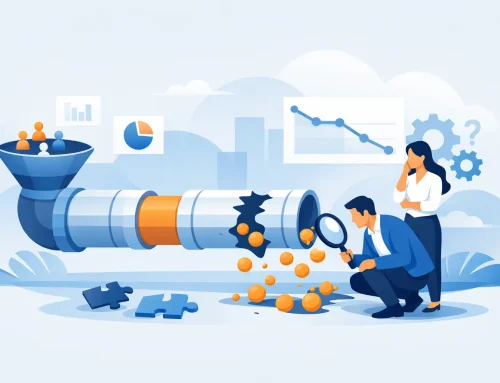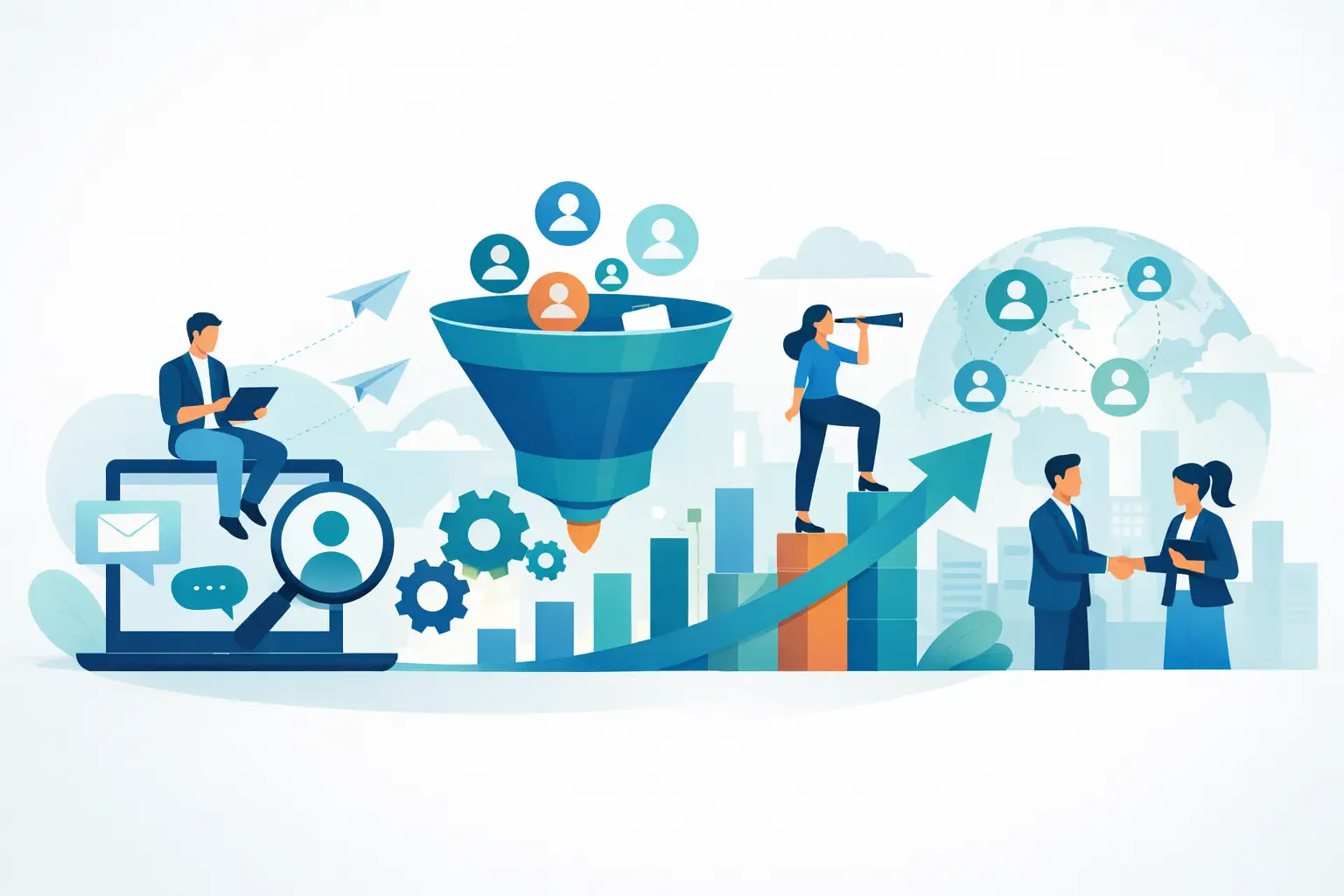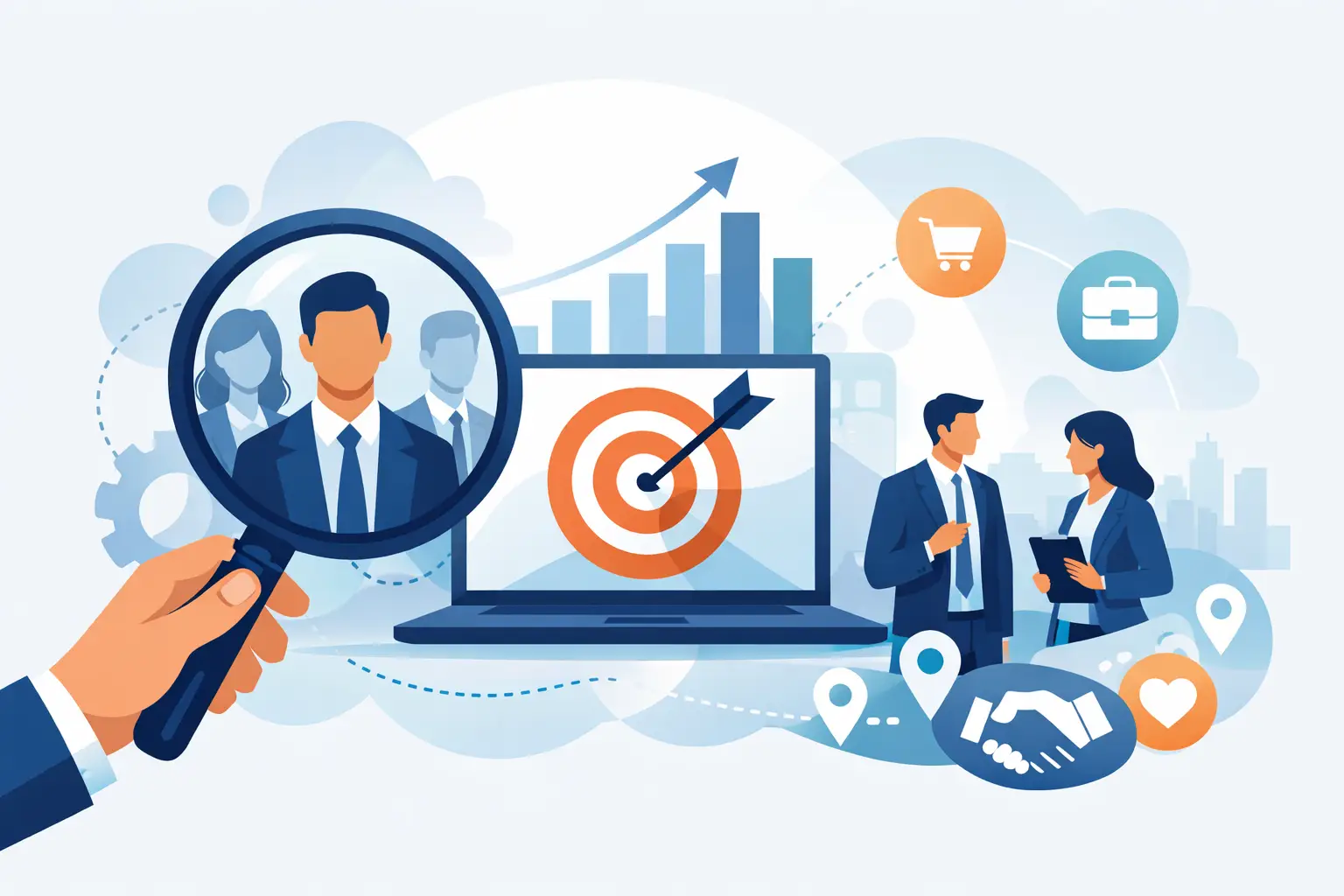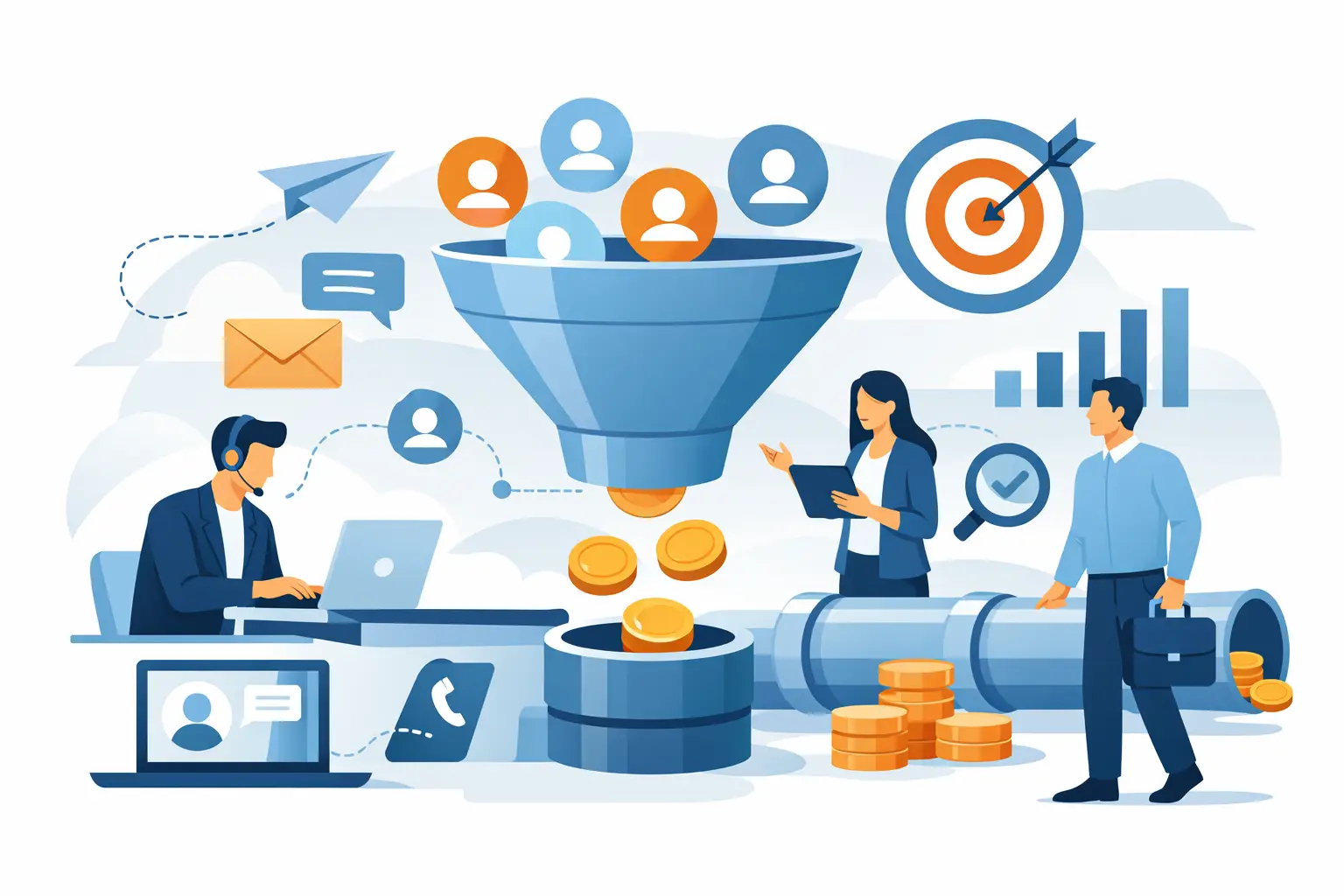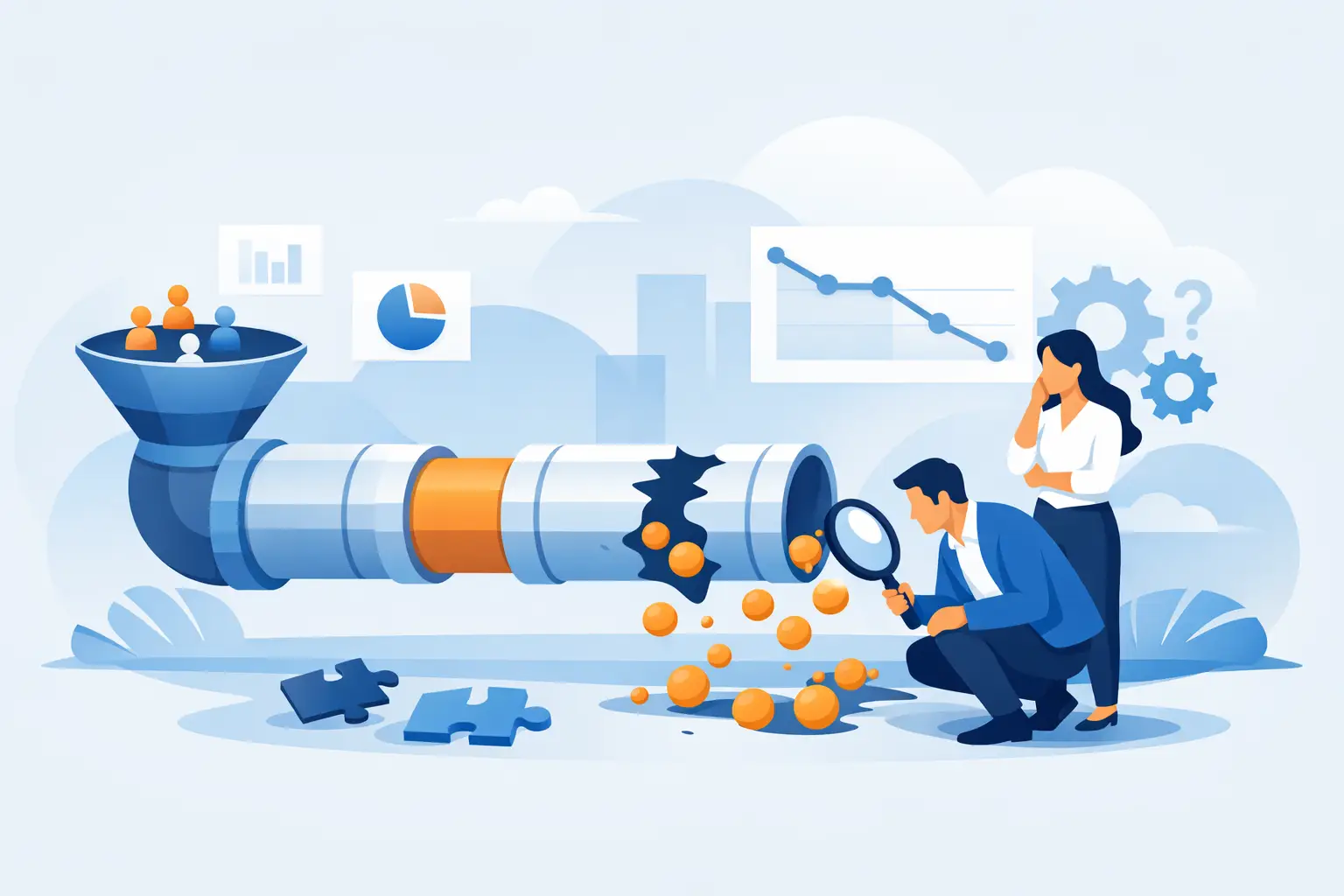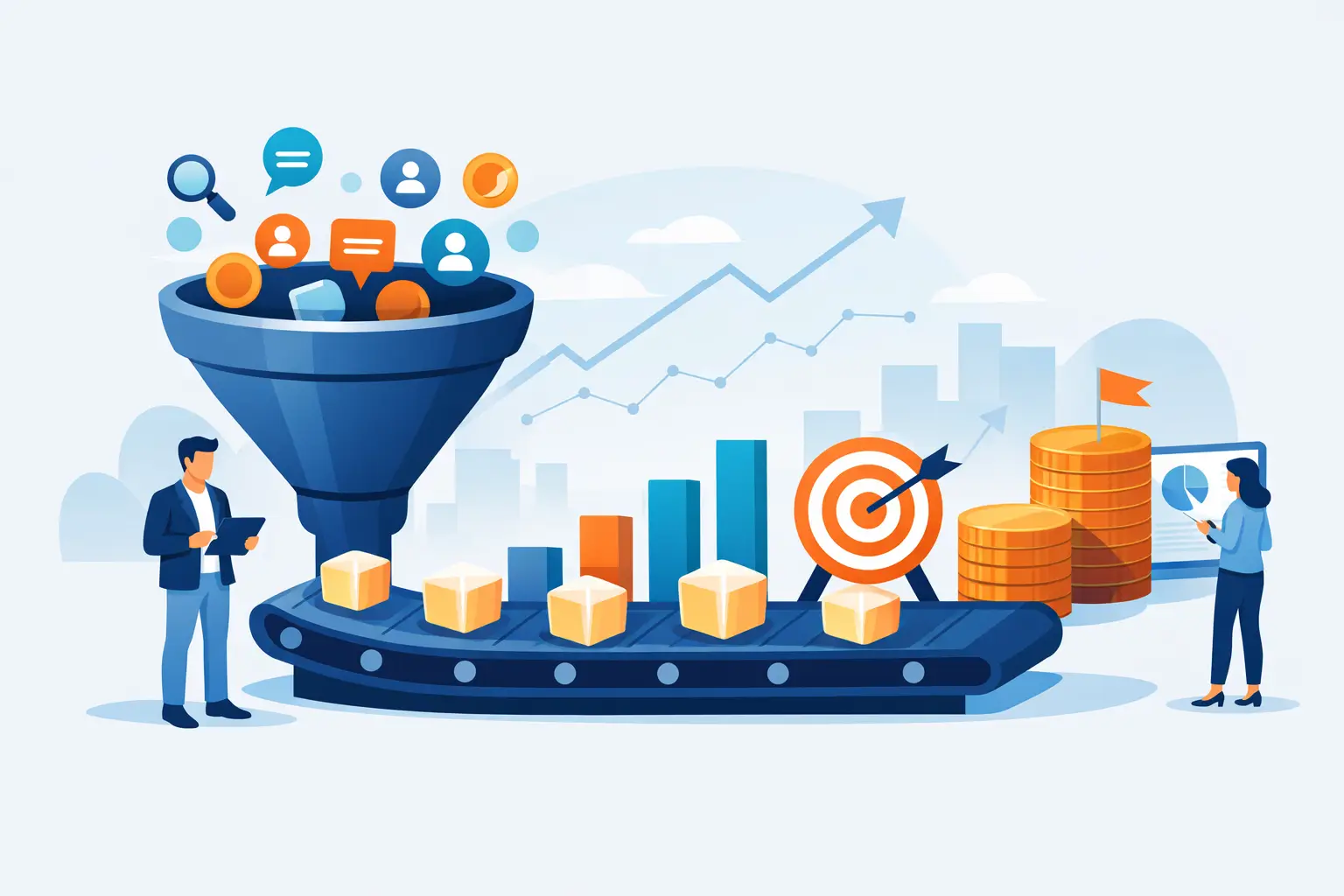
A full calendar can hide a weak pipeline. If your team is booking meetings but missing quota two months later, the problem usually is not effort. It is structure. To build predictable sales pipeline, you need more than activity. You need a repeatable system that consistently turns the right accounts into qualified meetings, real opportunities, and closed revenue.
Most companies do not have a lead problem. They have a conversion consistency problem. Prospecting is scattered, targeting is too broad, follow-up is inconsistent, and sales reps spend too much time sourcing instead of selling. That creates random spikes in pipeline instead of a steady flow. Predictability comes from discipline at the top of the funnel, not just pressure at the bottom.
What predictable pipeline actually means
A predictable pipeline is not simply a full CRM. It is a pipeline you can forecast with reasonable confidence because the inputs are controlled. You know how many targeted accounts enter outreach each month, how many convert into conversations, how many become sales-qualified opportunities, and how many are likely to close based on historical performance.
That level of visibility changes how a business grows. Hiring becomes easier because leadership can model future demand. Marketing spend becomes easier to justify because contribution to pipeline is measurable. Sales managers can coach from conversion data instead of opinions. Predictability is an operational advantage, not a reporting metric.
That said, predictable does not mean static. Markets shift, buyers stall, and response rates change. The goal is not perfect certainty. The goal is to create a system strong enough to absorb normal volatility without starving the sales team.
Why most teams fail to build predictable sales pipeline
The biggest mistake is treating pipeline generation like a rep-level side task. Closers are expected to hunt, qualify, follow up, run demos, and close. In practice, something gets dropped. Usually it is consistent prospecting. When prospecting slows for even a few weeks, pipeline weakness shows up later as a revenue problem.
Another common issue is poor targeting. Many teams define their market too loosely and call it volume. More outreach does not fix a weak account list. If your ideal customer profile is vague, your messaging becomes generic, your meetings get softer, and conversion rates fall all the way down the funnel.
There is also a tooling problem. Companies add data vendors, sequencing tools, dialers, ad platforms, and CRM automations, then assume the stack will produce results. It will not. Technology helps scale execution, but it does not replace strategic targeting, message-market fit, or sales process discipline.
Start with a narrow ICP and buying signals
The fastest way to improve pipeline quality is to tighten your ideal customer profile. This means more than choosing industry and company size. You need to identify the traits that correlate with real buying intent and stronger close rates.
For some companies, that means targeting healthcare groups expanding locations. For others, it means IT firms adding headcount, financial firms undergoing compliance changes, or logistics companies investing in new systems. The point is simple. A predictable pipeline starts when you aim at accounts with a reason to buy, not just the ability to buy.
Intent data can help here, but only when used correctly. Intent should sharpen prioritization, not replace strategy. If a prospect shows research activity around your category, that is useful. If the account is still outside your ICP, it is noise. Strong pipeline generation comes from combining fit and timing.
Build outreach around conversations, not touches
A lot of teams measure top-of-funnel performance with vanity metrics. Email volume, call counts, and sequence enrollment all look productive. None of them matter if they do not create real conversations with qualified buyers.
Your outreach model should be built backward from booked meetings and opportunity creation. That changes how campaigns are designed. Messaging becomes more direct. Call tasks focus on relevance instead of script compliance. Email copy speaks to business problems and timing triggers instead of brand introductions.
Multichannel outreach is usually the right move, especially in B2B markets with long consideration cycles. Email alone gets ignored. Calls alone limit scale. Paid media alone often captures demand rather than creating it. The strongest systems combine channels so prospects see consistent messaging in different contexts. That improves recognition and response rates without relying on any one tactic to carry the whole load.
There is a trade-off here. More channels create more complexity. If execution is sloppy, multichannel becomes multinoise. The fix is tight orchestration, clear handoffs, and CRM visibility across every touchpoint.
Qualification has to protect sales capacity
More meetings do not automatically mean more pipeline. If your account executives are sitting through poorly qualified calls, capacity gets wasted and forecast quality drops. Predictable pipeline depends on protecting sales time.
That means qualification standards need to be clear and enforced. The prospect should match your ICP, show a real business need, and have a plausible path to action. Not every opportunity needs active budget on day one, but there should be enough commercial substance to justify seller time.
This is where many internal teams struggle. SDRs are often measured on meetings booked, not pipeline created. That pushes quantity over quality. A better model ties top-of-funnel performance to downstream outcomes such as opportunity rate, show rate, sales acceptance, and conversion to revenue.
CRM discipline is not optional
If your CRM is unreliable, your pipeline is unreliable. It is that simple. Teams cannot forecast what they cannot trust.
Every stage should have clear entry criteria. Every meeting source should be tracked. Every handoff between SDR, marketing, and sales should be visible. If outbound meetings, inbound leads, webinar responses, and paid campaigns are all entering the system differently, reporting gets distorted and leaders start making decisions from partial data.
Good CRM discipline also reveals where pipeline breaks. You can spot whether the issue is targeting, response rates, show rates, qualification, or sales conversion. Without that visibility, most companies default to increasing outreach volume, which often increases waste rather than pipeline.
Build capacity before the gap appears
One reason pipeline feels unpredictable is timing. By the time leadership notices a future shortfall, there is already a problem. Top-of-funnel systems need lead time.
If your average sales cycle is 60 to 120 days, pipeline coverage has to be built well in advance. That requires monthly planning against revenue targets, not reactive prospecting when the board asks questions. A disciplined pipeline model starts with goals, works backward into required opportunities, then translates those into meeting volume, contact rates, and account coverage.
This is where outsourced sales development becomes attractive for many firms. Building an internal SDR engine takes hiring, management time, tooling, data, QA, and process oversight. For companies that need results sooner, a managed partner can reduce ramp time and create immediate structure. The right partner does more than book calls. It brings targeting, execution, reporting, and operational accountability into one system.
How to build predictable sales pipeline without burning out your team
The practical answer is to separate prospecting from closing, tighten targeting, and operationalize outreach. Your sales reps should spend their best hours advancing opportunities, not scraping lists or chasing cold follow-ups. When top-of-funnel execution is managed with discipline, the entire revenue team performs better.
That often means combining human reps with automation and AI where it makes sense. AI calling and workflow automation can increase speed and coverage. Human oversight is still critical for message quality, objection handling, and account prioritization. The right balance depends on your deal size, market complexity, and sales cycle length.
For some firms, webinar-led demand generation can support outbound and warm up target accounts. For others, intent-based outbound will produce stronger results. There is no universal channel mix. What matters is building a process you can measure, improve, and repeat.
Appointment Gurus is built around that idea – a managed top-of-funnel engine designed to create qualified meetings and measurable pipeline without adding internal management burden. That model works because predictability is not created by one tactic. It is created by consistent execution across targeting, outreach, qualification, and reporting.
The companies that win treat pipeline like a production system
If pipeline still depends on heroic rep effort, it will stay uneven. The companies that grow consistently treat pipeline generation like an operating system. They define the market clearly, prioritize in-market buyers, run coordinated outreach, qualify hard, and keep their CRM clean enough to trust.
That does not make growth automatic. It makes growth manageable. And for sales leaders who are tired of guessing whether next quarter will be full or empty, that difference matters. The smartest next step is usually not more activity. It is a better system that turns activity into revenue on purpose.