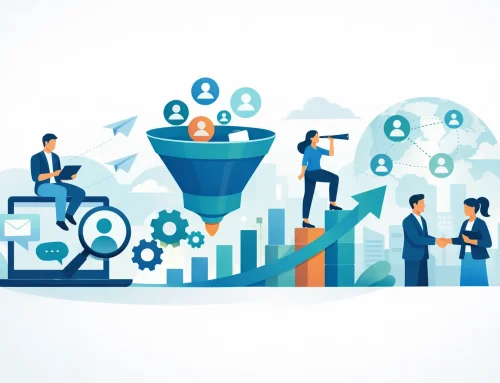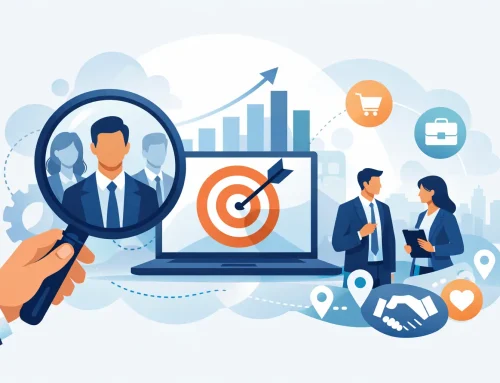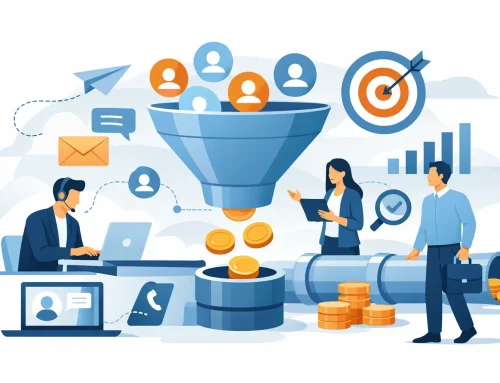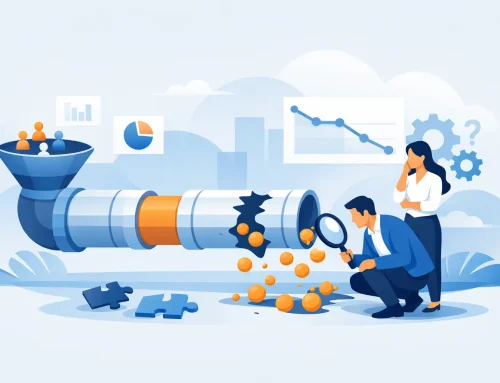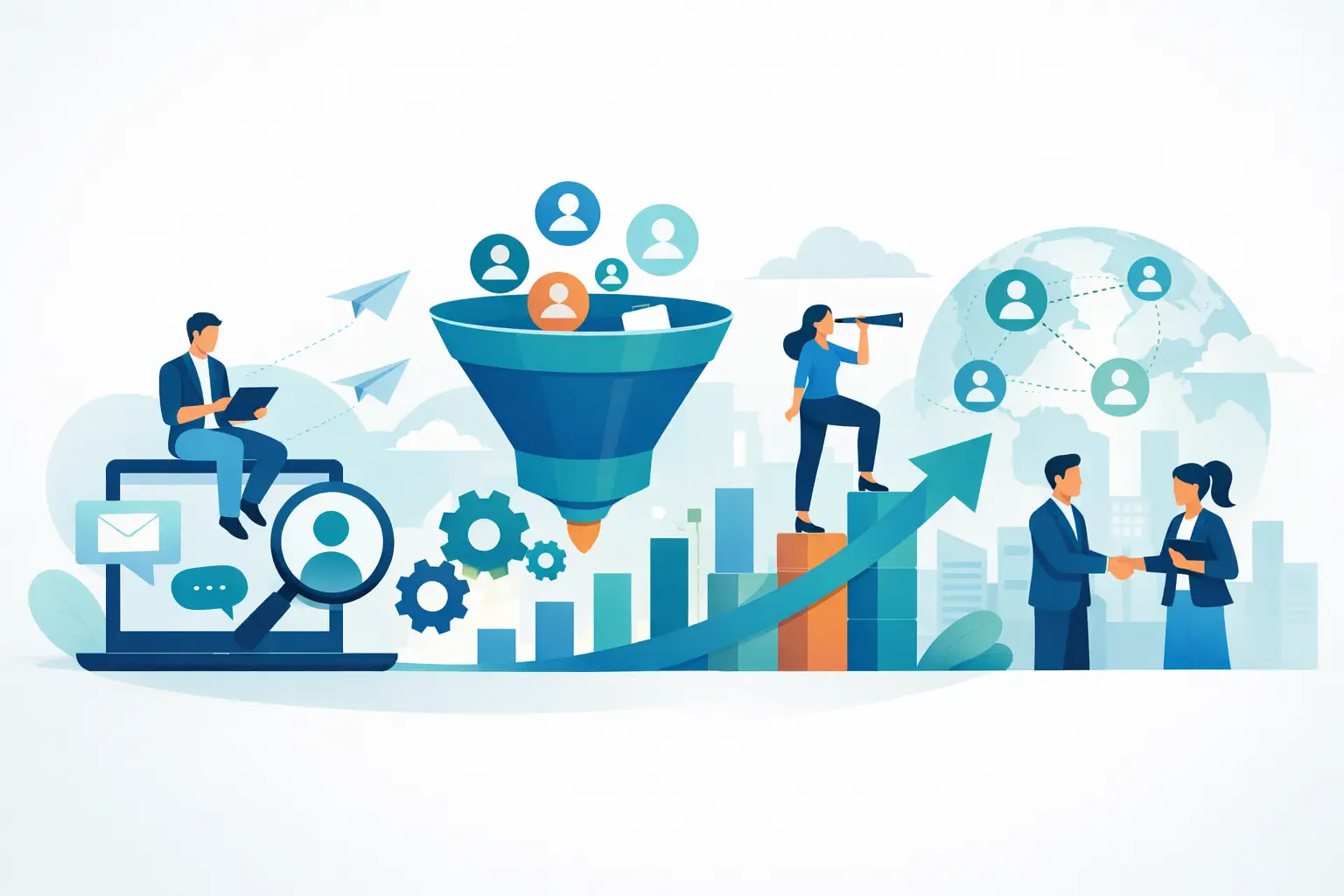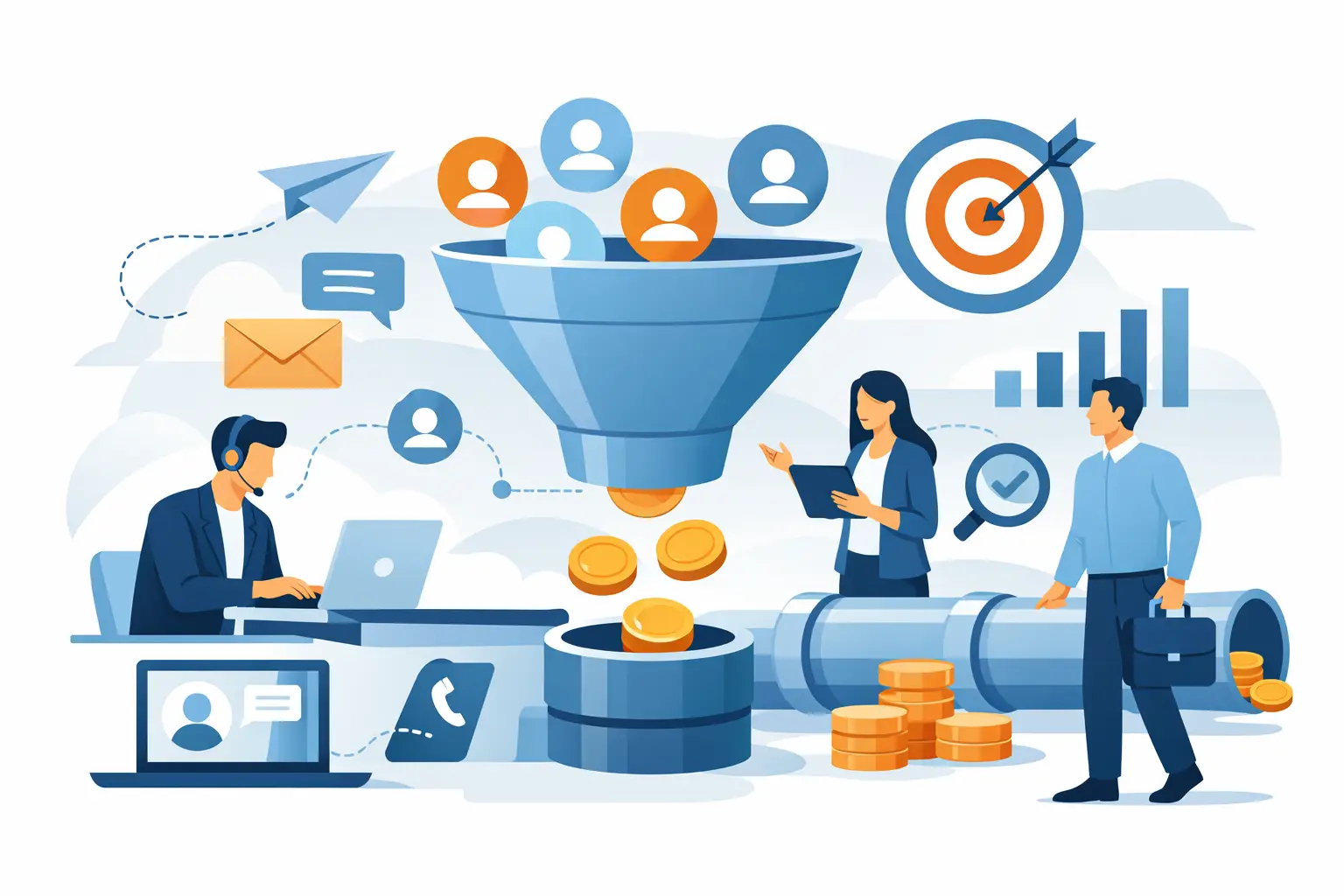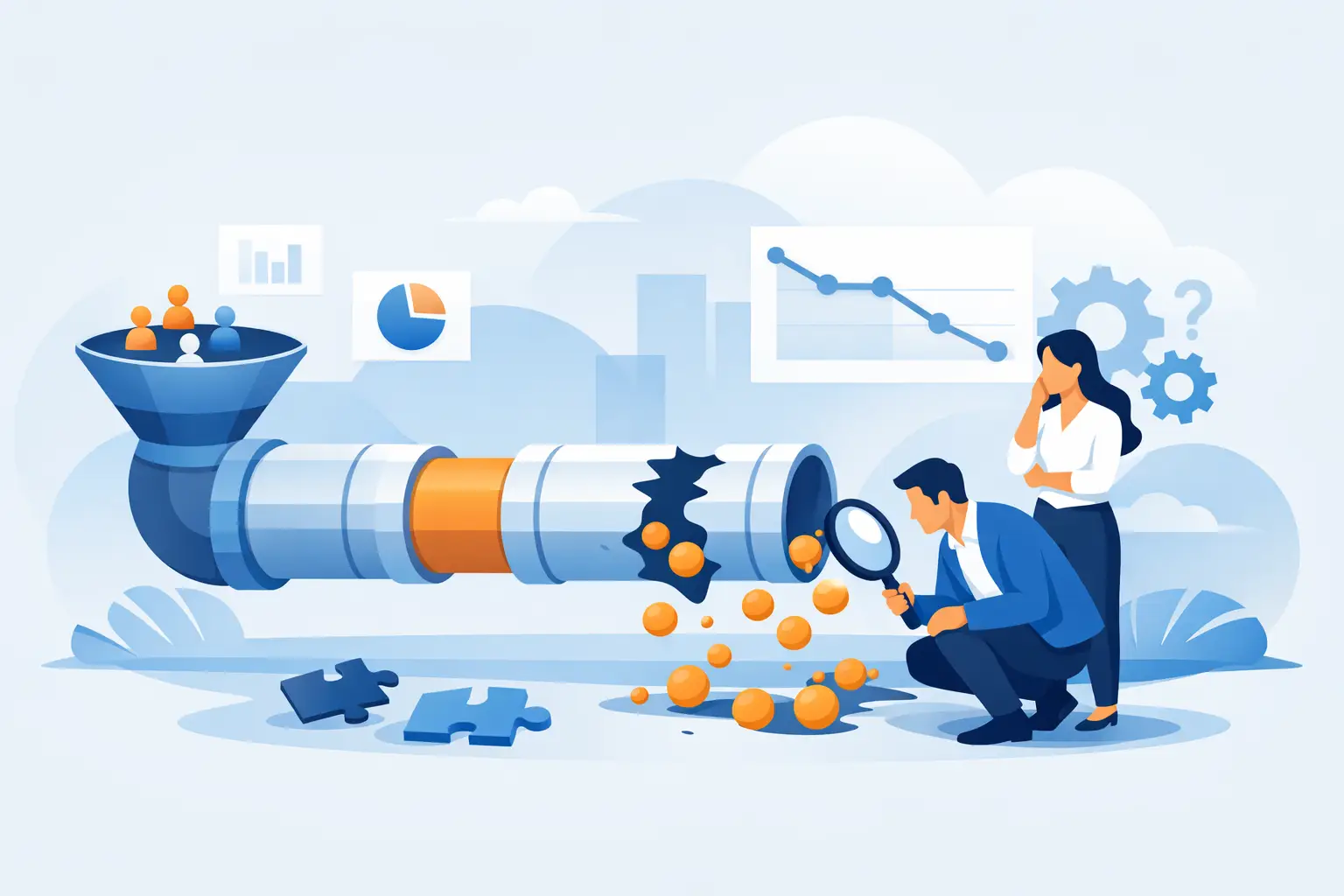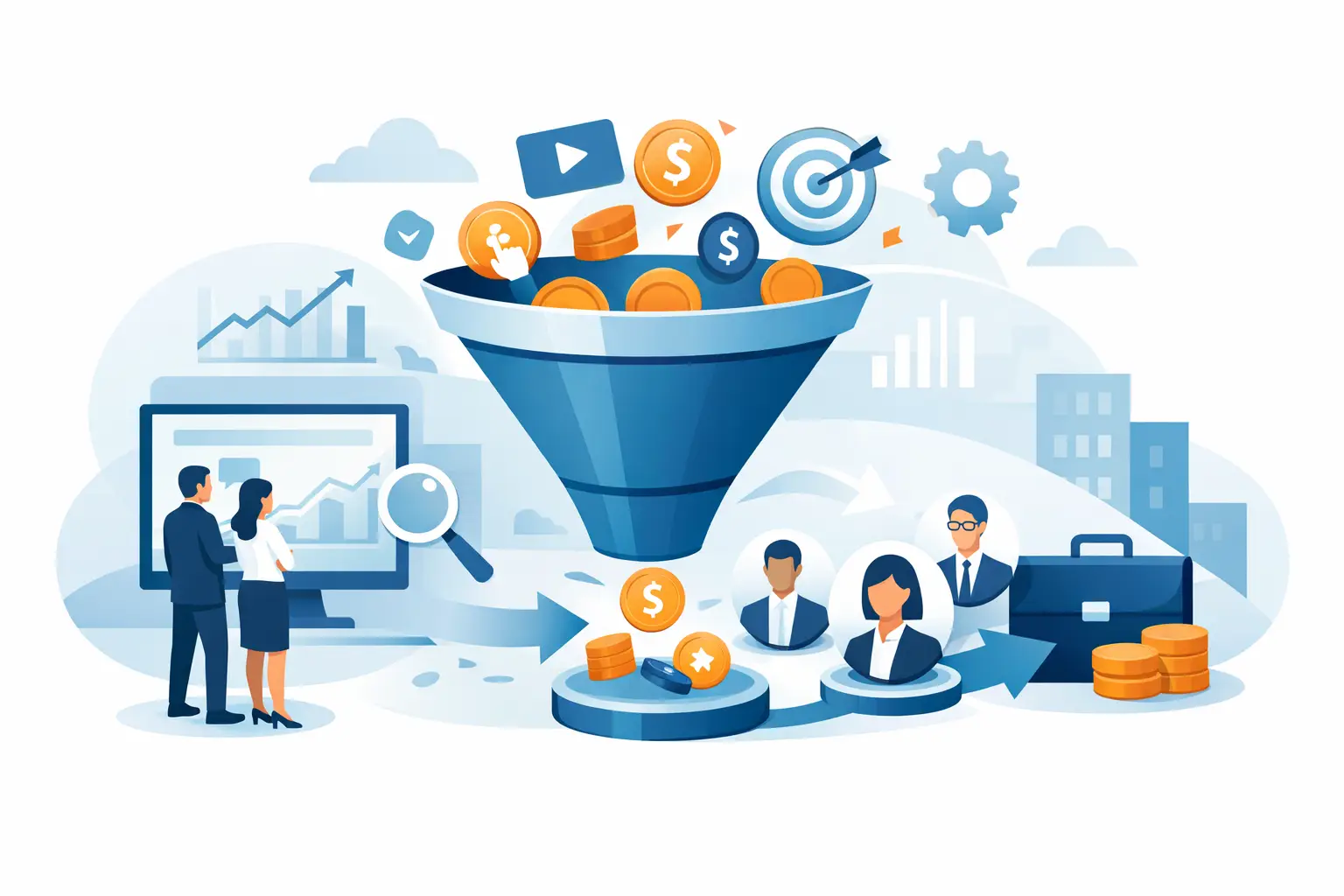
Most B2B ad campaigns do not have a traffic problem. They have a pipeline problem. Clicks come in, forms get filled, dashboards look busy, and sales still says the leads are weak. That is why b2b paid ads for pipeline need to be built around revenue outcomes, not platform activity.
If your team is spending real money on LinkedIn, Google, programmatic, or retargeting, the question is not whether ads are generating interest. The question is whether that interest is turning into qualified meetings, real opportunities, and forecastable pipeline. That shift changes how campaigns should be planned, measured, and managed.
What b2b paid ads for pipeline actually means
Pipeline-focused paid media is not the same as lead generation in the loose, marketing-qualified sense. It is a tighter system built to reach the right accounts, attract the right buyers, and move them into sales conversations fast enough that intent does not go cold.
That matters because B2B buying cycles are longer, buying committees are larger, and form fills alone do not tell you much. A campaign can produce a low cost per lead and still damage performance if most of those leads never progress. Sales leaders do not need more names in a CRM. They need more legitimate conversations with companies that fit the ideal customer profile.
In practice, b2b paid ads for pipeline means your campaigns are judged by meeting quality, opportunity creation, sales acceptance, and revenue influence. It also means media strategy cannot live in isolation. Targeting, messaging, SDR follow-up, CRM routing, and reporting all have to work together.
The biggest mistake: optimizing for cheap leads
A lot of underperforming B2B ad programs fail for a simple reason. They optimize toward the easiest conversion event instead of the most valuable one.
When marketing teams chase ebook downloads, broad webinar signups, or soft content conversions without a clear qualification path, platforms do what they are trained to do. They find more of the cheapest converters. That often means junior contacts, students, competitors, or businesses with no buying intent.
Cheap leads can make reporting look efficient while making pipeline worse. Sales burns time on weak follow-up, speed-to-lead drops for the good prospects, and internal trust between marketing and sales erodes.
A better approach is to work backward from the meeting and the opportunity. Which titles matter? Which industries convert? Which company sizes close? Which problem statements create urgency? Once those inputs are clear, campaign optimization gets sharper and the waste becomes easier to spot.
Targeting should start with ICP, not audience size
The fastest way to waste budget is to confuse reach with fit. In B2B, bigger audiences rarely mean better outcomes.
Strong paid programs begin with a defined ICP. That includes industry, company size, geography, tech environment, revenue band, pain points, and likely buying roles. If you sell into IT, healthcare, finance, or logistics, each market will respond to different proof points and objections. A generic campaign usually underperforms because it asks too many different buyers to care about the same message.
This is also where intent signals matter. Not every account in your market should be treated the same. Some are simply in your total addressable market. Others are actively researching solutions, engaging with category content, or showing behavior that suggests buying motion. Paid ads become far more efficient when they are layered with intent data and account prioritization instead of blasted across a wide audience.
That does not mean broad awareness is always wrong. It means awareness should support a pipeline strategy, not replace one. If budget is limited, precision usually wins.
Creative and offers need to earn a sales conversation
In B2B, the ad itself rarely closes the gap. What it does is create enough relevance and confidence for a prospect to take the next step.
That means the message has to match the buyer’s problem, not just describe your service. Buyers respond to outcomes they can measure. More qualified meetings. Lower customer acquisition cost. Faster speed-to-pipeline. Better fit accounts. Less rep time spent prospecting. If your ad sounds like every other agency, platform, or service provider, it gets ignored.
Your offer matters just as much as the copy. A generic “book a demo” call to action often underperforms unless the prospect already knows you. In many cases, stronger pipeline offers are tied to a concrete business outcome, such as an audit, strategy session, market analysis, benchmark review, or a targeted consultation around a specific growth bottleneck.
There is a trade-off here. Lower-friction offers usually generate more responses, but higher-friction offers often generate better sales conversations. The right choice depends on deal size, sales cycle length, and how educated the market already is.
Channel selection should follow buyer behavior
There is no universal best platform for B2B pipeline. There is only the right mix for your audience, your motion, and your economics.
LinkedIn is often effective for title-based targeting and account-based campaigns, especially when you need to reach decision-makers in defined verticals. Google Search captures active demand well, but performance depends heavily on how specific the problem and keyword set are. Retargeting helps maintain visibility across longer buying cycles, but it only works if your upstream traffic quality is strong. Paid social beyond LinkedIn can work in some markets, though it usually needs sharper creative and stronger audience filtering.
The mistake is assuming one platform should do the whole job. In many cases, the best-performing system combines demand capture, account targeting, retargeting, and SDR follow-up. Paid ads create the signal and the engagement. Outbound and sales development turn that engagement into meetings.
That is where operational discipline matters more than media theory. If the handoff is weak, even good campaigns will underdeliver.
Follow-up speed and routing determine ROI
A lot of pipeline is lost after the click.
Even when targeting is tight and messaging is strong, performance falls apart if leads sit in a queue, hit the wrong rep, or enter a slow nurture flow when they were ready for direct outreach. B2B buyers do not stay warm for long, especially when evaluating multiple vendors.
For that reason, paid media should be connected to a clear follow-up process. Leads need immediate routing, qualification logic, CRM visibility, and a multichannel touch pattern that starts quickly. That might include email, phone, AI-assisted calling, retargeting, and SDR outreach aligned to the campaign message.
This is where many internal teams hit a bottleneck. They can launch campaigns, but they do not have the bandwidth or process consistency to work every response correctly. The result is not just lower conversion. It is misleading attribution, because leadership assumes the ads failed when the real issue was execution after the lead came in.
How to measure paid ads if pipeline is the goal
If your reporting stops at cost per lead, you are missing the numbers that actually matter.
Useful measurement starts with sales-accepted leads, qualified meetings, opportunity rate, pipeline value, and closed revenue influenced by channel and campaign. You also want to look at time to first touch, no-show rate, meeting-to-opportunity conversion, and performance by segment. Those numbers tell you where the system is breaking.
For example, if click-through rate is healthy but meeting conversion is weak, the offer or landing experience may be the issue. If meetings are happening but opportunities are low, targeting or qualification likely needs work. If opportunities are strong but volume is low, budget allocation or channel mix may be limiting growth.
A pipeline view also helps with hard decisions. Some campaigns look expensive on the surface but produce the right accounts and better close rates. Others look efficient early and create almost no revenue. Serious operators know the difference.
Why managed execution often beats DIY
B2B paid acquisition is not just media buying. It is targeting strategy, messaging, testing, qualification logic, follow-up operations, CRM integration, and pipeline reporting. When one piece is weak, the whole system underperforms.
That is why many sales leaders move to a managed model. Instead of asking internal reps to prospect, chase ad leads, and close deals at the same time, they separate top-of-funnel execution from closing activity. The right partner brings structure, targeting discipline, channel coordination, and accountability around meetings and pipeline, not vanity metrics.
For companies that need consistent opportunity flow without building a full outbound and paid media engine internally, that model is often faster and more cost-effective. Appointment Gurus is built around that reality, combining paid ads, intent-driven targeting, and managed outreach to help revenue teams turn market demand into qualified sales conversations.
What good looks like
A good B2B ad program does not just fill a report with leads. It gives your sales team more conversations with companies that fit, buyers who are active, and opportunities that can move through the funnel with real probability.
That only happens when paid media is treated like part of the sales engine. The campaigns must target the right accounts, present a relevant offer, connect to fast follow-up, and report on pipeline progression instead of surface-level activity.
If your ad spend is producing attention but not opportunity, the answer is usually not more budget. It is a tighter system, better qualification, and a clearer standard for what a lead should become. That is where paid ads stop being a marketing expense and start acting like a growth channel.