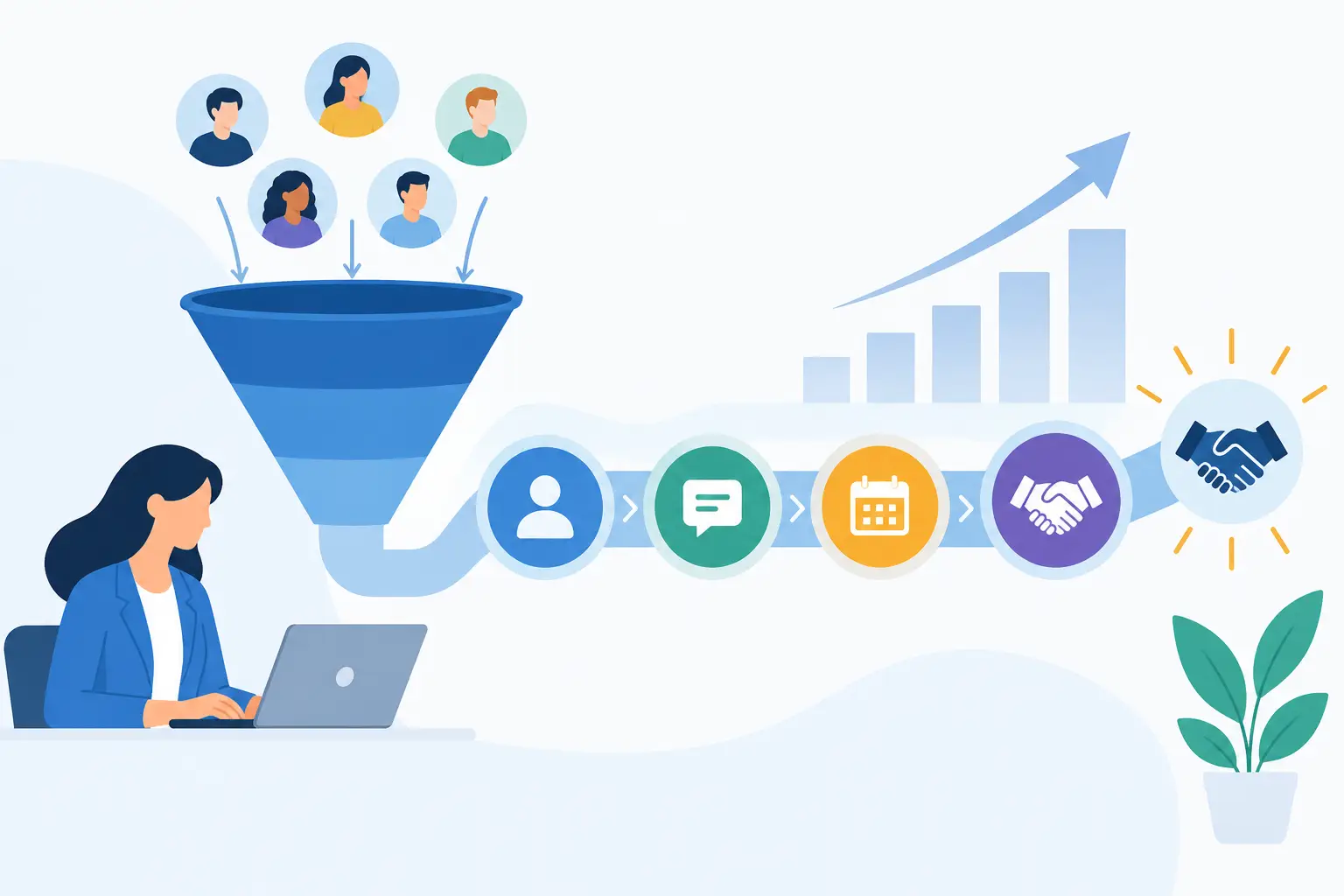
A sales team can have a strong product, competitive pricing, and capable closers yet still miss revenue targets for one simple reason: too few qualified conversations reach the calendar. That is where the answer to what is sales development becomes practical. Sales development is the disciplined process of identifying the right buyers, starting relevant conversations, qualifying interest, and creating sales-ready opportunities for account executives or closers.
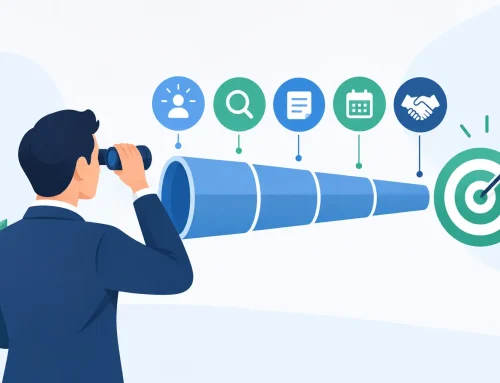
It is not simply cold calling. It is not a volume game built around generic emails. Effective sales development turns an ideal customer profile into a repeatable top-of-funnel system that produces meetings with companies that have a real reason to buy.
What Is Sales Development in B2B?
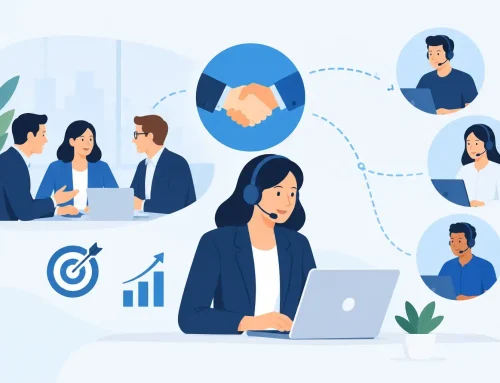
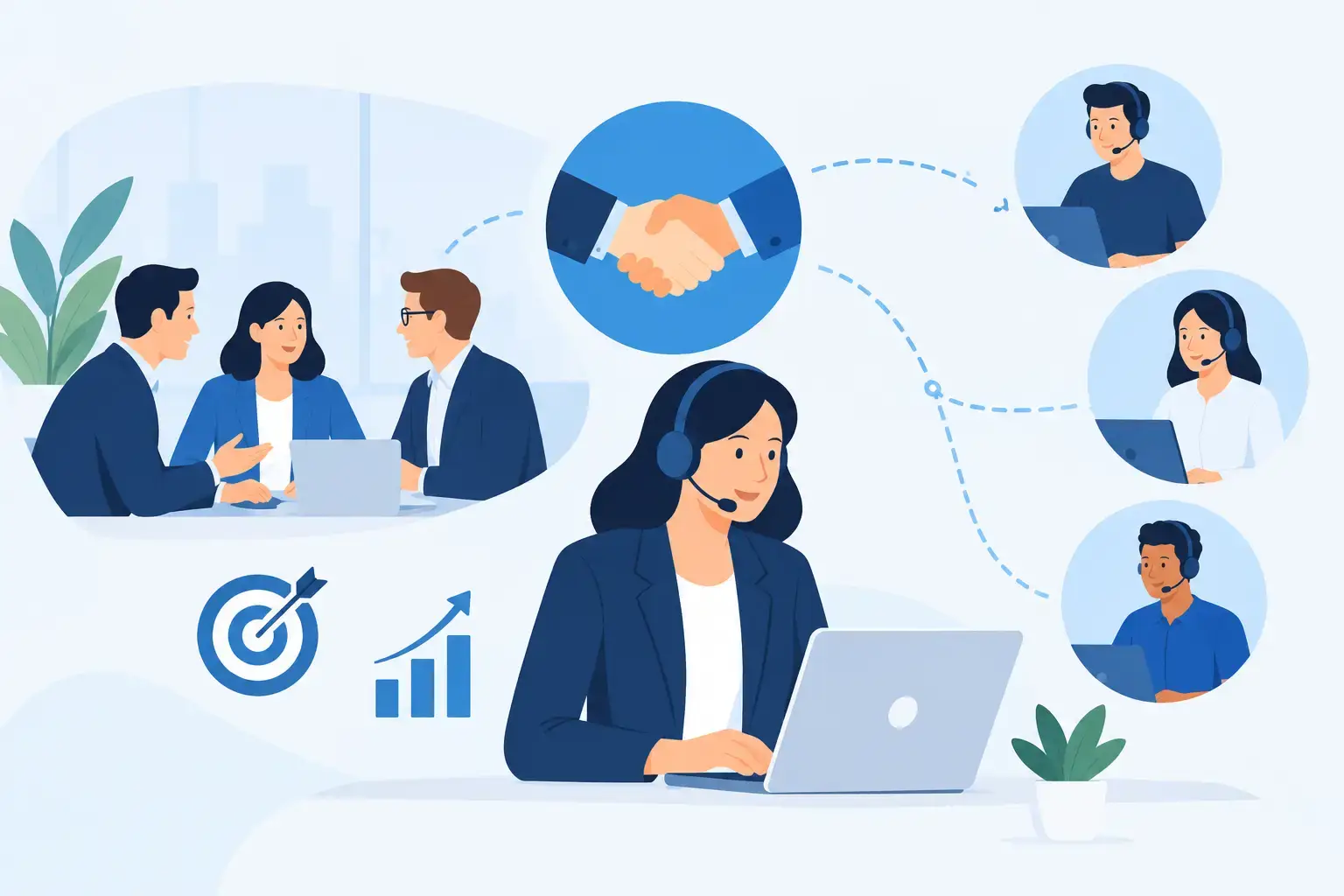
Sales development is the front end of the B2B sales process. Its job is to create and qualify opportunities before a full sales cycle begins. Sales development representatives, often called SDRs or BDRs, research target accounts, identify decision-makers, run outreach campaigns, handle initial responses, and determine whether a prospect is a legitimate fit.
The output is not a list of leads. It is qualified sales conversations. A strong sales development function gives closers more time to run discovery, build consensus, demonstrate value, and move opportunities forward.
This distinction matters because a downloaded guide, a webinar registration, or a database contact is not automatically pipeline. A lead becomes valuable when it matches the company’s target profile, has a relevant problem, and is willing to engage in a meaningful next step.
For a cybersecurity provider, that could mean reaching a VP of IT at a mid-market company showing signs of researching security compliance. For a financial services firm, it may mean engaging a business owner approaching a funding, planning, or risk-management decision. The message, timing, and qualification criteria should change with the market.
Where Sales Development Fits in the Revenue Process
Marketing creates awareness and captures demand. Sales development turns target accounts and early interest into conversations. Account executives convert qualified conversations into opportunities and revenue. Customer success retains and expands the relationship after the deal closes.
Those responsibilities can overlap, especially in smaller companies. A founder may handle prospecting, discovery, and closing. But the work still exists. Without a clear sales development motion, prospecting gets pushed aside whenever proposals, client delivery, and internal meetings take priority. Pipeline then becomes inconsistent.
A defined process creates accountability at the point where most B2B revenue problems start: generating enough qualified opportunities. It also creates cleaner handoffs. The sales team knows what information was gathered, why the prospect agreed to meet, who is involved, and what problem should be explored during discovery.
The Core Work Behind Qualified Meetings
Sales development works when several operational pieces are aligned. Missing one can lower conversion rates even if the team is sending a high volume of outreach.
Define the ideal customer profile
An ideal customer profile, or ICP, identifies the companies most likely to buy, succeed with the solution, and generate strong lifetime value. It may include industry, company size, geography, technology stack, growth stage, revenue range, and business triggers.
The narrower the focus, the easier it is to produce relevant outreach. A message aimed at “all businesses” rarely earns attention. A message built for logistics companies struggling with a specific operational or compliance issue is far more likely to start a conversation.
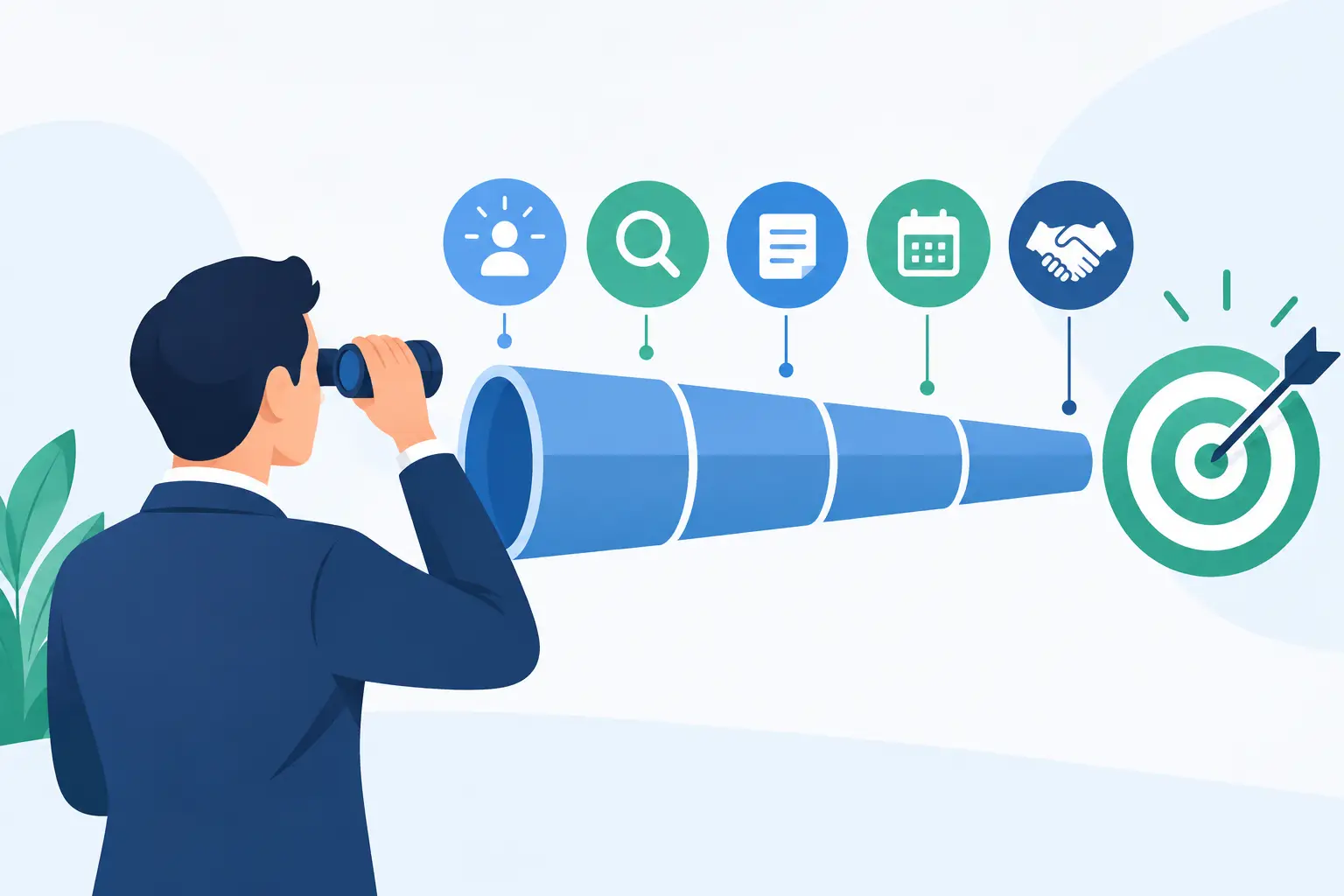
Find the right people and the right signals
Account targeting is only half the job. Sales development also needs the right contacts within each account. Economic buyers, operational leaders, technical evaluators, and internal champions may all play different roles in the decision.
Intent data and buying signals improve timing. Website activity, content engagement, hiring trends, funding events, technology changes, compliance deadlines, and competitor research can indicate that an account is entering a buying window. Signals are not proof of purchase intent, but they help prioritize where outreach should begin.
Run multichannel outreach
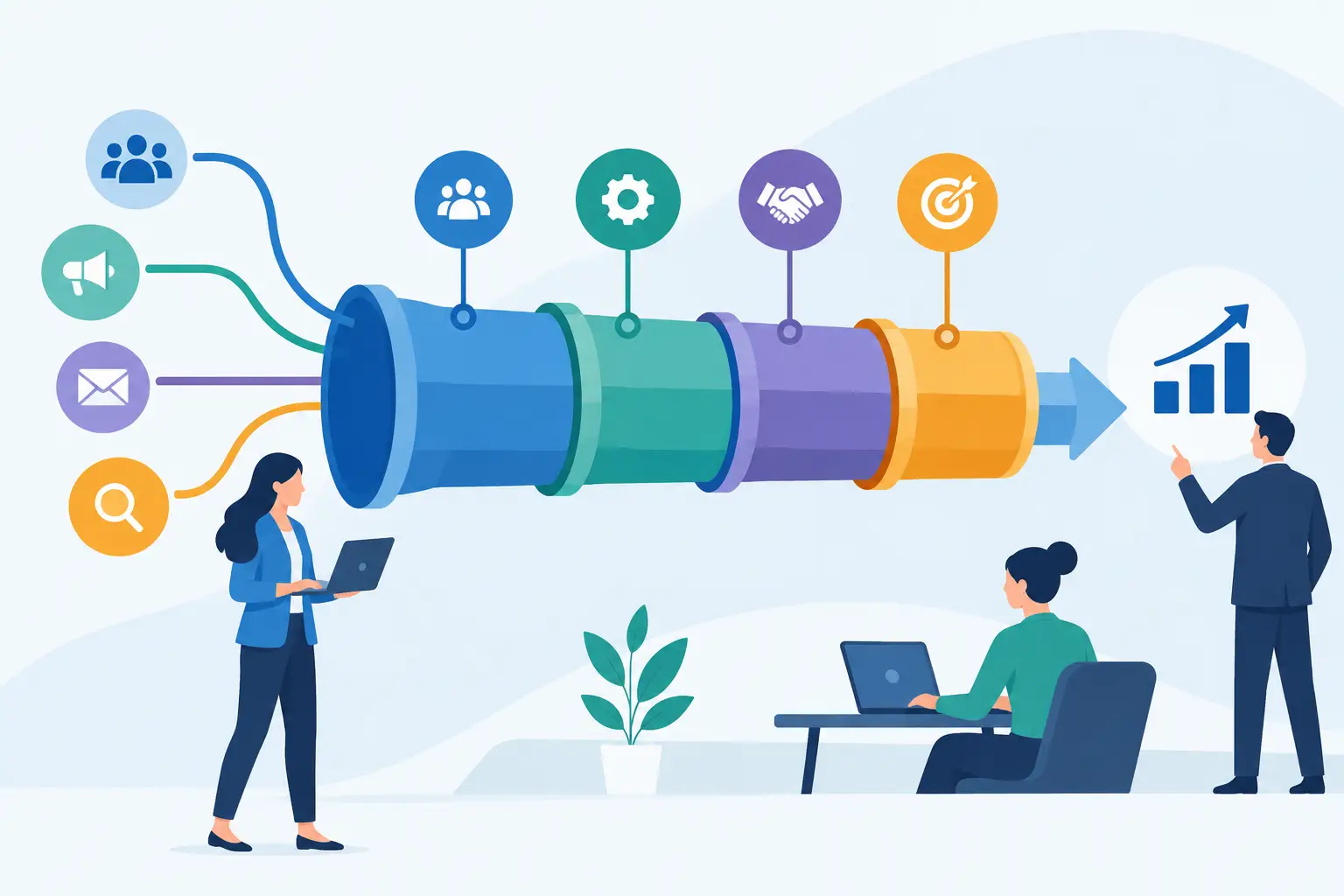
Buyers do not respond because a campaign has a clever subject line. They respond when the message is relevant, credible, and arrives at a reasonable moment. Sales development commonly combines email, phone, LinkedIn, paid demand capture, webinars, and follow-up workflows.
The trade-off is scale versus relevance. Automation can increase activity, but poorly targeted automation can damage deliverability and brand trust. The right approach uses technology to organize research, sequences, follow-up, and reporting while keeping the message specific to the account and buyer’s likely priorities.
Qualify before handing off
Not every positive reply deserves a meeting with a closer. Qualification protects sales capacity and improves conversion from meeting to opportunity.
A practical qualification conversation confirms fit, business challenge, timing, stakeholders, and next-step expectations. The exact framework depends on the sales cycle. A high-ticket enterprise solution may require deeper discovery before a meeting is accepted. A simpler service with a shorter sales cycle may only need basic fit and expressed interest.
The goal is not to interrogate prospects. It is to make sure the next conversation has a reasonable chance of creating value for both sides.
Sales Development vs. Lead Generation
Lead generation and sales development are closely related, but they are not interchangeable. Lead generation creates potential demand through channels such as paid advertising, content, events, referrals, and outbound list building. Sales development works those leads or target accounts through outreach, qualification, and appointment setting.
A company can generate thousands of leads and still have a weak pipeline if follow-up is slow, messaging is generic, or qualification is loose. It can also have skilled SDRs but poor results if they are working from inaccurate data or targeting accounts with no real buying potential.
The highest-performing programs connect both functions. Marketing, paid media, webinar activity, intent data, and outbound campaigns should feed one coordinated process. Sales development then provides market feedback: which industries respond, which job titles engage, what objections repeat, and where the strongest opportunities are coming from.
Metrics That Show Whether It Is Working
Activity metrics matter, but they are not the finish line. Calls made, emails sent, and contacts added can show whether the team is executing. They cannot tell you whether that execution is creating revenue potential.
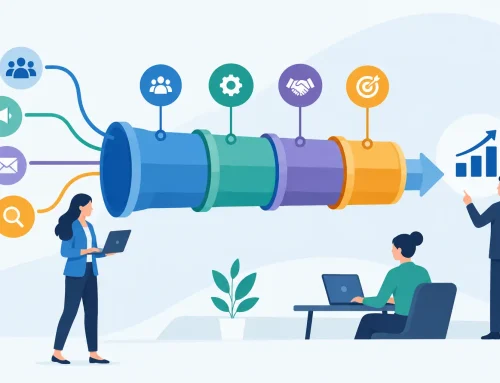
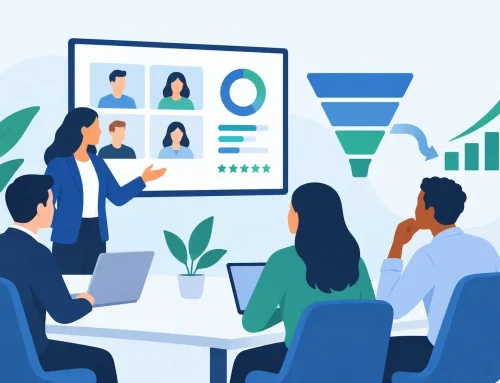
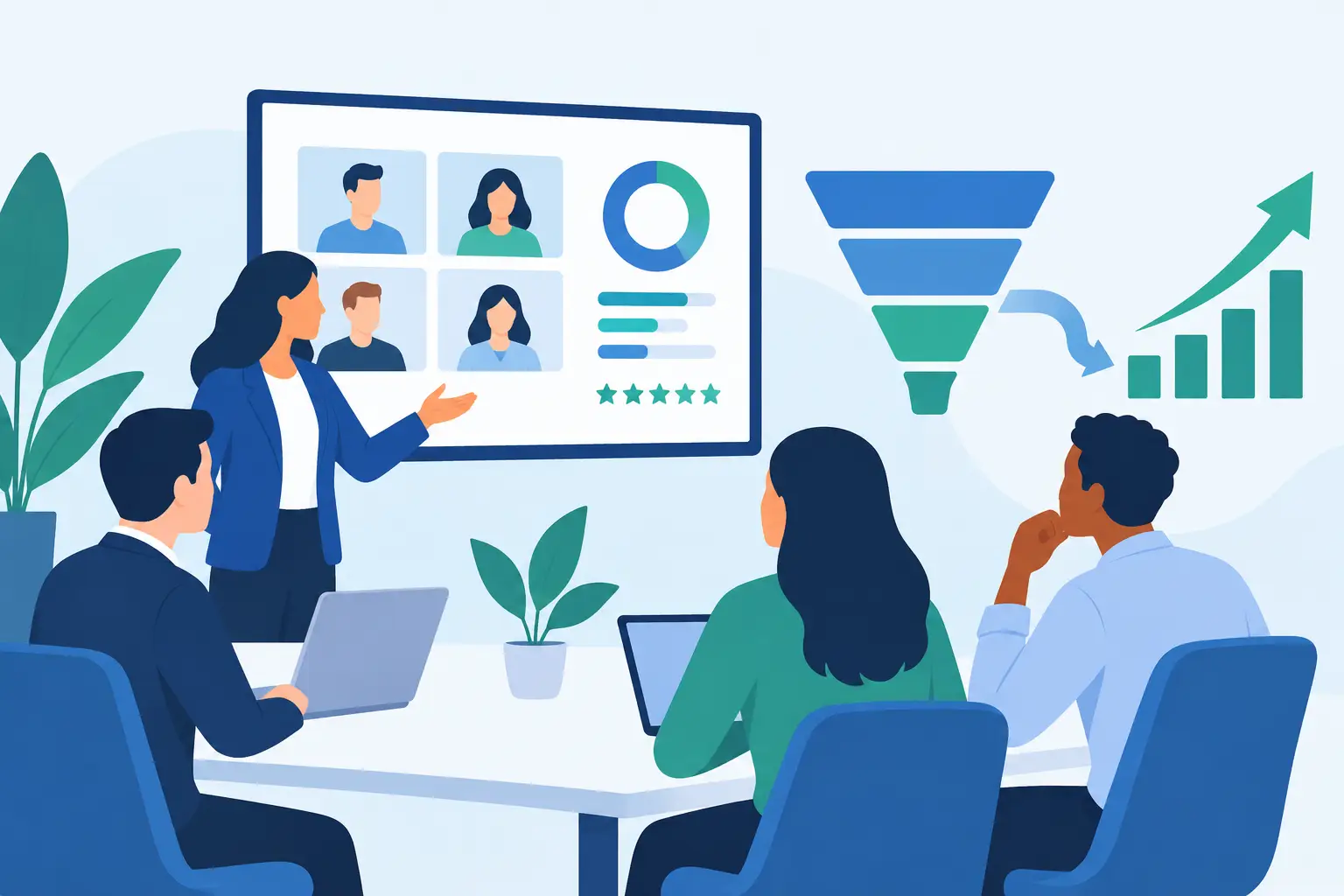
Sales leaders should look beyond top-line activity and track performance through the funnel. Useful measures include contact rates, positive reply rates, meetings booked, meeting show rates, sales-accepted opportunities, opportunity conversion, pipeline created, and cost per qualified meeting.
The most revealing metric is often the conversion from held meeting to qualified opportunity. If meetings are being booked but few become real opportunities, the issue may be targeting, offer positioning, qualification standards, or handoff quality. More meetings are not better if they consume sales capacity without producing pipeline.
Speed also matters. Fast response to inbound interest and clear follow-up after a webinar or ad interaction can materially affect conversion. Buyers often evaluate several options at once. The team that responds with context and relevance has an advantage.
Build Internally or Use Sales Development as a Service?
An internal SDR team provides direct control and deep product familiarity. It can be the right choice for companies with proven messaging, sufficient management capacity, consistent hiring ability, and enough volume to support dedicated roles.
The downside is operational overhead. Building the function requires recruiting, onboarding, coaching, data management, technology, quality control, compliance processes, and daily performance management. Ramp time can be significant, and turnover can disrupt pipeline production.
Sales Development as a Service can make sense when a company needs qualified meetings without building every part of the outbound engine in-house. A managed partner can bring targeting expertise, data operations, outreach infrastructure, calling capability, and CRM-integrated reporting. It is particularly useful for teams that need to test a market, enter a new vertical, or give account executives more selling time quickly.
Outsourcing is not a shortcut around strategy. A partner still needs a clear ICP, a compelling offer, access to subject-matter expertise, and transparent agreement on what counts as a qualified meeting. The best engagements operate as an extension of the revenue team, not as a disconnected appointment factory.
Appointment Gurus applies this managed model through industry-specific targeting, intent-led prospecting, multichannel outreach, and CRM-connected execution designed to keep pipeline activity visible and accountable.
Make Sales Development a Predictable System
Sales development becomes predictable when it is treated as an operating system rather than a burst of outreach before quarter end. Start with a focused ICP, document qualification standards, create messages around real business problems, and review funnel conversion weekly. Then adjust based on evidence, not assumptions.
The practical test is straightforward: if your closers are still spending too much time searching for prospects, or if booked meetings rarely become real opportunities, the top of the funnel needs attention. Build the process around fit, timing, and quality, and the calendar will become a more reliable source of pipeline instead of a recurring source of pressure.