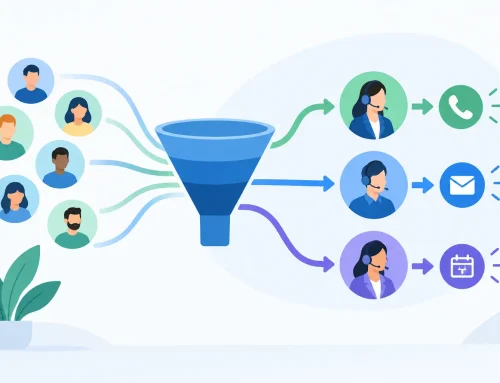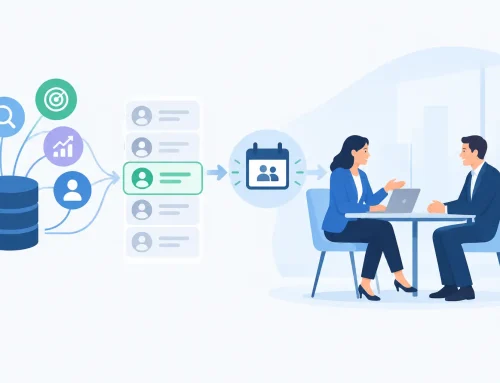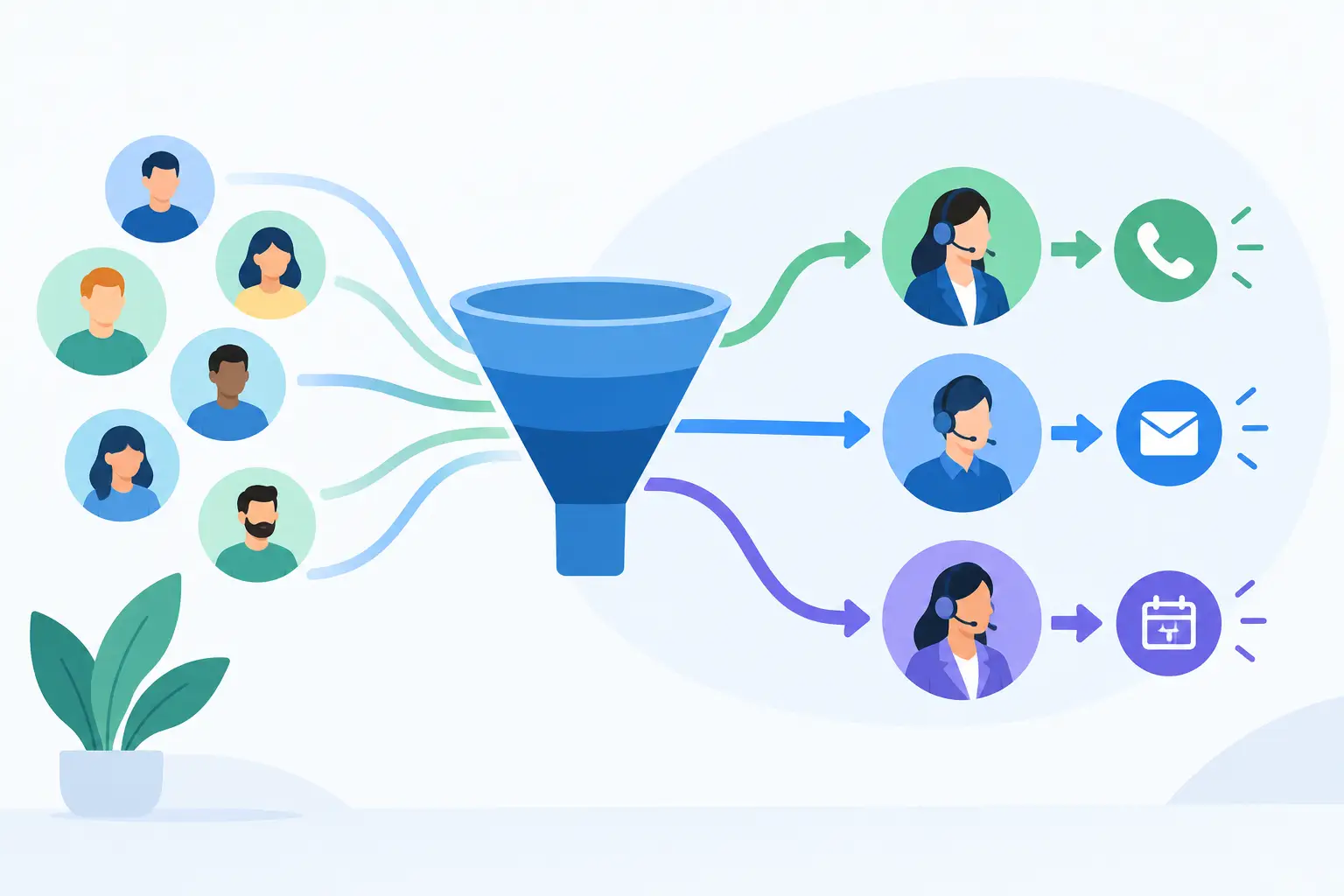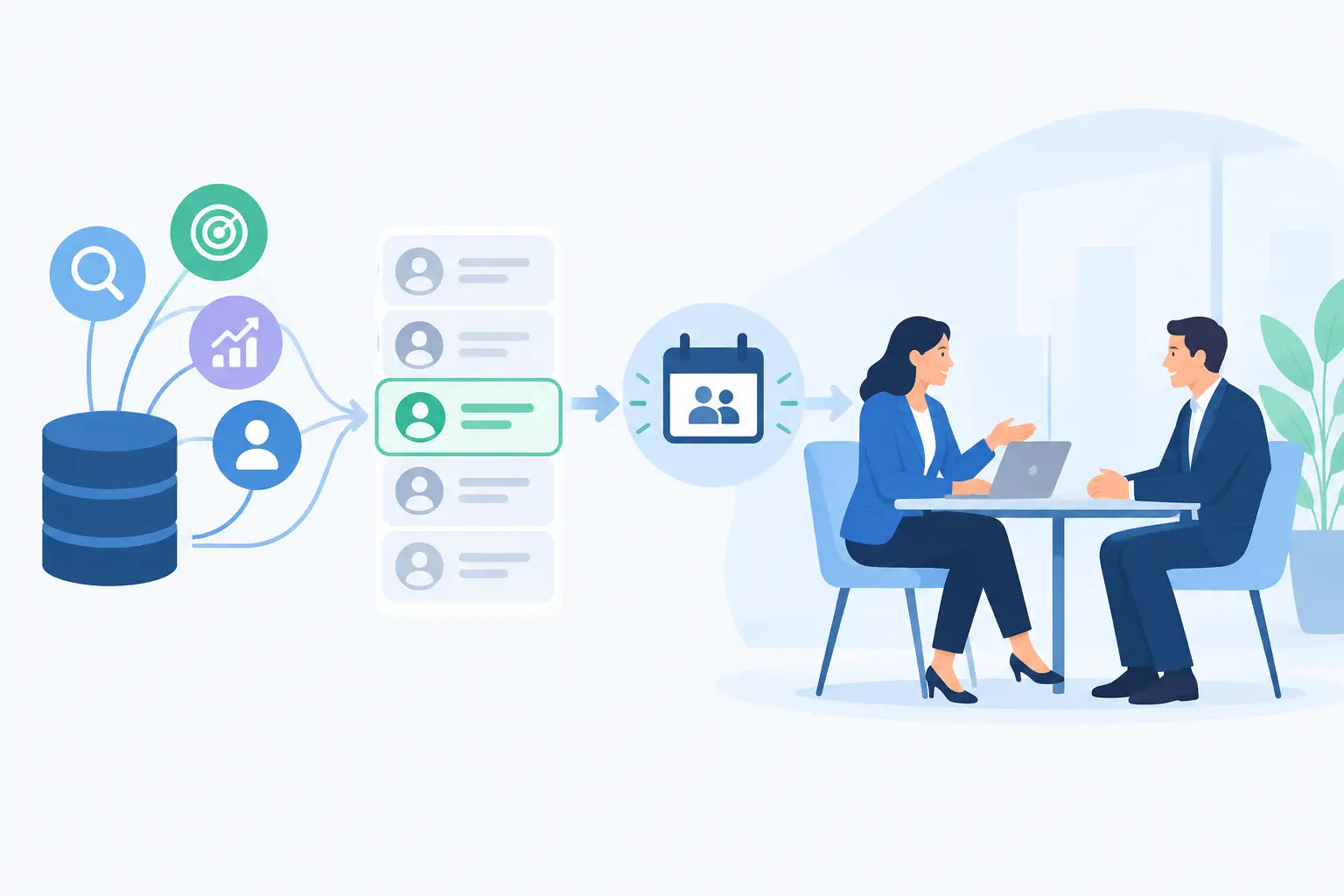
A 500-account list is not an account strategy. If every company receives the same sequence, message, and follow-up cadence, your SDRs are doing volume work when they should be creating sales conversations. Learning how to segment target accounts gives your team a practical way to focus time and budget on the companies most likely to buy now.
For sales leaders, the objective is not simply better list organization. It is higher-quality appointments, cleaner handoffs to account executives, and a pipeline your team can forecast with more confidence. The right segmentation model connects your ideal customer profile, market signals, and outreach execution so every account is treated according to its actual revenue potential.
Start With an ICP That Sales Can Use
Most companies have an ideal customer profile somewhere in a slide deck. That is not enough. A working ICP must be specific enough to help an SDR decide whether an account deserves priority before they send the first message.
Start with firmographic fit: industry, company size, revenue range, geography, business model, technology environment, and growth stage. Then add the characteristics that have historically influenced deal quality. A cybersecurity provider, for example, may convert best with mid-market healthcare organizations that have distributed workforces, strict compliance exposure, and a lean IT team. A logistics technology firm may prioritize manufacturers with multiple facilities, rising shipping volume, and fragmented operations.
Avoid defining your market so broadly that every account appears qualified. “Companies with 100 to 5,000 employees” is a list filter, not an ICP. The real question is which companies experience the problem you solve, have the budget to address it, and can move through a buying process in a reasonable period.
Your closed-won data should lead this work. Review the accounts that produced the strongest deal size, shortest sales cycle, best retention, and highest expansion potential. Then compare them with closed-lost opportunities. The differences often reveal the filters your team has been missing.
How to Segment Target Accounts by Revenue Potential
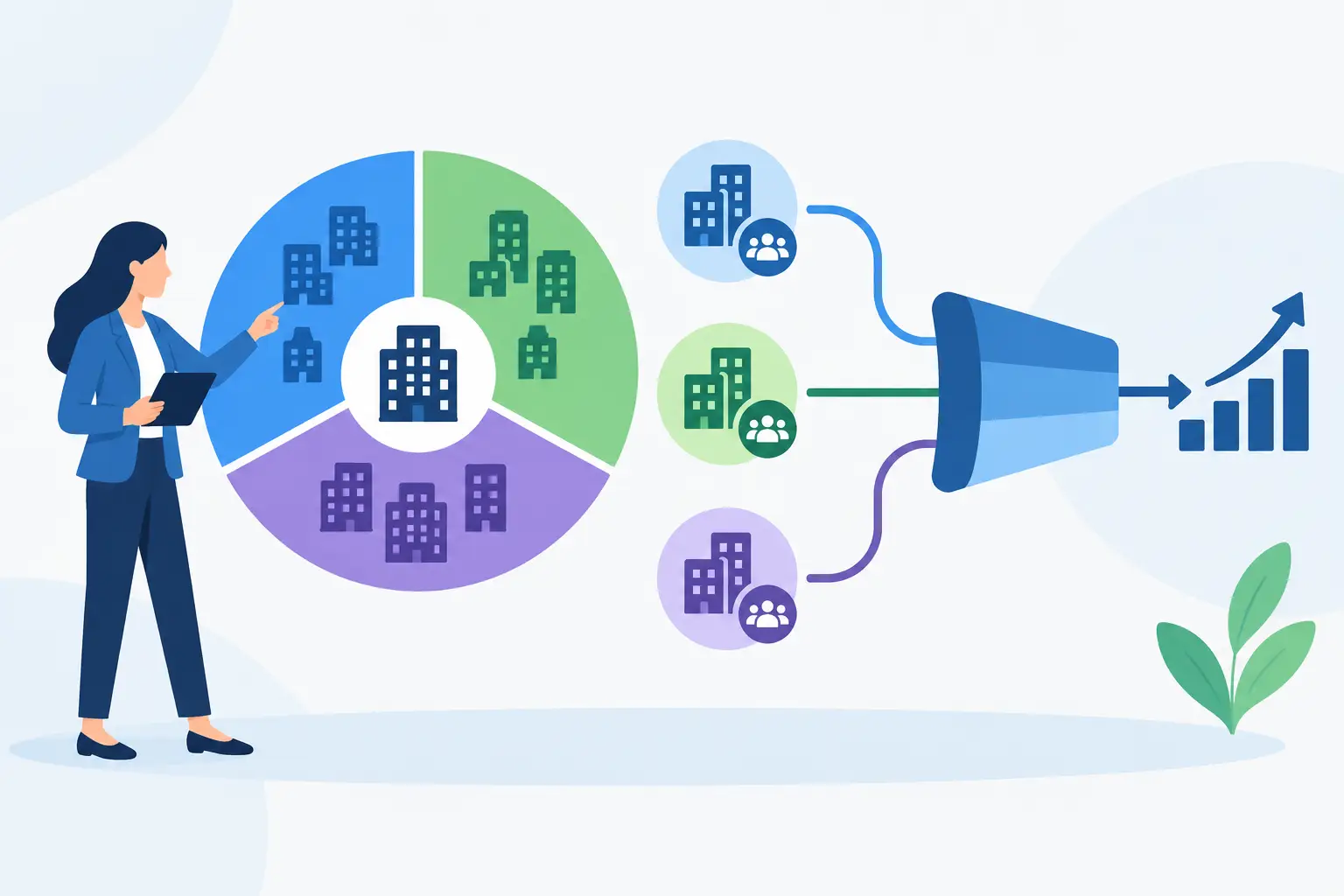
Once the ICP is clear, divide target accounts into segments that determine how your team engages them. The most useful model combines account fit with evidence of current interest or need. A company can be an excellent long-term fit but a poor near-term prospect if there is no trigger event, active project, or buying signal.
A practical structure includes four account tiers:
- Tier 1 accounts are high-value companies with strong ICP fit, clear access to likely buyers, and meaningful intent or trigger signals. These accounts deserve personalized, multichannel outreach and coordinated attention from SDRs and account executives.
- Tier 2 accounts fit your ICP and may show moderate intent, but they need more validation before receiving high-touch resources. Use targeted messaging, focused calling, and industry-specific campaign tracks.
- Tier 3 accounts match basic firmographic criteria but lack evidence of an active buying motion. Keep them in scalable nurture and monitor for changes that justify a higher priority.
- Disqualified or deprioritized accounts do not meet your economic, operational, or strategic requirements. Remove them from active prospecting rather than letting them dilute reporting and activity levels.
Tiering is not about treating lower-priority accounts as worthless. It is about matching effort to expected return. An enterprise account with a potential six-figure contract may justify research, executive outreach, calling, and customized assets. A lower-value account may still convert, but it should not consume the same level of manual effort.
Add Intent Data and Trigger Events
Fit tells you who could buy. Intent and triggers help identify who may be ready to talk.
Useful intent signals can include increased research around relevant topics, engagement with competitor content, repeat visits to high-value website pages, webinar registrations, content downloads, and interactions with paid campaigns. These signals are more valuable when they align with an account that already fits your ICP. High website activity from a company outside your market is not a priority. Moderate activity from a Tier 1 account can be.
External triggers also create timely reasons to reach out. Consider leadership changes, hiring patterns, new funding, expansion into a new region, mergers, technology migrations, compliance deadlines, product launches, or public comments about an operational challenge. Each event should influence the message, not just the account score.
For example, an IT services provider contacting a company that is hiring security engineers should not send a generic “Are you looking to improve security?” email. The outreach should acknowledge the growth signal and connect it to a likely business need: protecting a larger environment without overloading the internal team.
Intent data is directional, not a guarantee of purchase. A spike in research may reflect a student project, an existing vendor evaluation, or a prospect early in their education process. Use it to prioritize outreach and shape relevance, then let real conversations qualify the opportunity.
Segment by Buying Committee, Not Just Company
Account segmentation fails when the account is treated as one person. Complex B2B sales usually involve a buying committee with different priorities, vocabulary, and objections.
Within each prioritized account, identify the economic buyer, functional owner, technical evaluator, operational users, and potential internal champion. A CFO may care about cost control and payback period. A VP of Operations may focus on throughput and process reliability. An IT leader may need proof of integration, security, and implementation feasibility.
This does not mean every contact needs a completely different campaign. It means your messaging should offer a relevant entry point for each role while supporting one account-level narrative. When several stakeholders receive coordinated but role-specific outreach, your team is more likely to create internal awareness before the first meeting.
Pay attention to account coverage. A Tier 1 account with one outdated contact record is not fully worked. Establish a minimum number of verified contacts by account size and complexity, then track whether your team has reached the right functions rather than simply increasing email volume.
Build Messages Around Segment-Level Problems
Segmentation only produces results when it changes execution. If the message remains generic, better account data will not create more qualified meetings.
Build campaign tracks around meaningful segment differences: industry, business model, maturity level, trigger event, and buyer role. A healthcare organization may respond to a message about compliance risk and resource constraints. A financial services firm may care more about auditability, risk reduction, and implementation controls. A logistics operator may prioritize delivery performance, labor efficiency, and visibility across locations.
Keep the core value proposition consistent, but adjust the proof points and problem framing. Your outreach should make it easy for a prospect to recognize why the conversation is relevant now.
This is also where multichannel execution matters. Email can establish context, calling can create direct feedback, LinkedIn can reinforce familiarity, and paid retargeting can keep your positioning visible. Channels work best when they support one coordinated account strategy rather than operating as disconnected activities.
Score Accounts Without Creating a Data Project
A scoring model should make prioritization faster, not create an administrative burden. Start simple: assign points for ICP fit, account value, intent level, trigger events, buying committee coverage, and engagement. Subtract points for disqualifiers such as poor geography, a mismatched business model, low contract potential, or an existing long-term competitor contract when that information is available.
Review the model with sales every month. If high-scoring accounts rarely convert to meetings, your criteria are wrong, your message is off, or the intent signals are being overvalued. If lower-scoring accounts consistently produce opportunities, investigate what your model is failing to capture.
The best segmentation systems improve through feedback from real conversations. SDR outcomes, call notes, objection patterns, and opportunity data should all flow back into targeting decisions. This closed-loop process keeps the top of funnel aligned with what the sales team can actually close.
Measure the Right Outcomes
Do not judge segmentation by how many accounts are placed into tiers. Measure whether it changes pipeline performance.
Track meeting rate by segment, meeting-to-opportunity conversion, opportunity-to-close conversion, average deal value, sales cycle length, and customer acquisition cost. Also monitor account penetration: how many relevant stakeholders are engaged within priority accounts, and which messages are creating replies or calls.
A lower reply rate from Tier 1 accounts can still be acceptable if the meetings convert at a substantially higher rate and create larger opportunities. Conversely, a campaign that generates many responses but few qualified meetings is not helping your revenue team. The goal is not activity. It is efficient pipeline creation.
If your internal team lacks the time to manage data enrichment, account scoring, calling, and follow-up at the required pace, Appointment Gurus can operate that front-end process as a managed pipeline engine. The work should remain visible in your CRM, tied to clear qualification standards, and accountable to meetings that fit your sales motion.
Start with a focused account universe, make every tier meaningful, and let buyer signals determine where your team spends its best hours. That is how account segmentation becomes a dependable source of stronger sales conversations rather than another spreadsheet to maintain.