Your sales reps are sending emails, making calls, and adding prospects to sequences, yet the calendar is still thin. If you are asking, “why is outbound not working,” the answer is rarely that outbound itself is dead. More often, the system behind it is built around activity instead of buyer relevance.
A high-volume campaign can look productive in a dashboard while producing no qualified pipeline. Open rates may be acceptable. Call attempts may be climbing. But if the wrong accounts are targeted, the message arrives at the wrong moment, or follow-up stops before a conversation starts, activity will not turn into meetings.
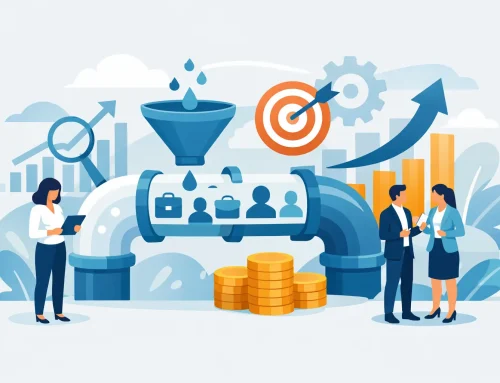
For B2B sales leaders, the goal is not more outreach. It is a repeatable top-of-funnel engine that creates conversations with companies that fit your ideal customer profile and have a credible reason to evaluate a solution now.
Why Is Outbound Not Working? Start With Buyer Fit
Outbound fails before the first email is sent when the target list is based on broad firmographic filters alone. A company can match your industry, employee count, and geography while having no operational need, budget, authority, or urgency to buy.
This is especially common in IT, financial services, healthcare, and logistics. A generic list of companies in a vertical is not a market. It is an unqualified universe. Reps then spend weeks trying to create interest where there is no active problem to solve.
A stronger approach combines ideal customer profile criteria with buying signals. Look for triggers that indicate a change in priorities: hiring patterns, technology changes, funding events, leadership changes, expansion, compliance pressure, or engagement with relevant topics. Intent data is not a magic switch, but it gives outreach a better starting point than static contact records.
The trade-off is volume. Tighter targeting usually means fewer names at the start. It also means fewer wasted touches, cleaner CRM data, better reply quality, and a higher likelihood that booked meetings can become real opportunities.
Your ICP May Be Too Broad to Be Useful
“Mid-market companies” is not an ICP. Neither is “healthcare organizations” or “SaaS companies.” A usable ICP defines the conditions that make a prospect likely to buy and likely to succeed after buying.
Segment by the problem you solve, not only by company category. A logistics provider expanding into new regions may have different priorities than one focused on reducing carrier costs. A financial services firm modernizing client onboarding needs a different message than one focused on compliance reporting.
When every prospect receives the same campaign, your targeting is probably doing too little work. Build distinct account segments and give each segment a clear commercial hypothesis: what has changed, what cost or risk it creates, and why a conversation is worth their time.
Your Message Explains You Before It Explains Them
Most underperforming outbound messages make the sender the main character. They lead with capabilities, awards, platforms, or a long list of services. Prospects do not wake up wanting to learn how your company operates. They respond when they see a credible connection to a priority they already own.
The first message should earn attention, not close the deal. It needs to show that you understand the prospect’s environment, identify a relevant business issue, and offer a reasonable next step. That does not require excessive personalization. It requires useful personalization.
Referencing a recent press release without connecting it to a business outcome is decoration. A better approach is to use the trigger to frame a practical question. For example, a company hiring aggressively in a sales region may be dealing with ramp time, territory coverage, or pipeline creation. The message should focus on that operational reality, not the fact that you saw a job posting.
Strong Messaging Has One Job Per Touch
Do not ask a cold prospect to read a case study, watch a demo, review a deck, and book 30 minutes. Too many choices create no action.
Each touch should have one purpose. The first may test whether the problem is relevant. A follow-up may add proof or challenge a common assumption. A call may ask a direct qualifying question. The meeting request should be low-friction and specific about the value of the conversation.
Avoid vague claims such as “we help businesses grow.” Sales leaders have heard them thousands of times. Replace them with outcomes that can be understood quickly: more qualified meetings, better account coverage, reduced prospecting burden, improved conversion from engagement to pipeline, or lower acquisition costs.
Your Data and Deliverability Are Limiting Reach
A campaign cannot perform if it is built on bad data. Outdated titles, invalid emails, incomplete account records, duplicate contacts, and missing phone numbers all reduce rep productivity. They also make performance reporting misleading because the team cannot tell whether poor results came from the market, the message, or the list.
Data quality needs to be treated as an operating discipline, not a one-time cleanup project. Validate contacts before launch, standardize fields inside the CRM, suppress existing customers and active opportunities, and establish rules for updating records after each conversation.
Email deliverability deserves the same level of attention. If sending domains are poorly configured, mailboxes are overloaded, or campaigns generate too many negative engagement signals, messages may never reach the primary inbox. Adding more volume to a damaged sending setup only makes the problem worse.
Monitor delivery, bounce, reply, unsubscribe, and spam-related signals by domain, mailbox, audience segment, and sequence. Low open rates are not always a content problem. Low replies are not always a deliverability problem. The point is to diagnose the constraint before changing five variables at once.
You Are Relying on One Channel and One Moment
Email-only outbound leaves too much to chance. Senior buyers miss messages, delegate inbox management, or simply do not prioritize an unfamiliar sender. That does not mean they are unreachable or uninterested.
A coordinated multichannel motion creates more legitimate opportunities to connect. Email can establish context. Phone calls can surface direct feedback. LinkedIn can support recognition and credibility. Paid campaigns can reinforce a message to target accounts. Webinar invitations can create a reason to engage around a timely issue.
This does not mean every prospect should be chased across every channel with identical copy. Repetition without relevance feels automated because it is. Use each channel for what it does best, and maintain a consistent point of view across the campaign.
Timing matters as well. A prospect who does not reply after two emails may not be rejecting your offer. They may be busy, evaluating another priority, or not yet feeling the urgency your solution addresses. Effective outbound includes planned persistence, spaced appropriately and supported by new value or a new angle.
Your Team Is Measuring the Wrong Numbers
Teams often optimize for sends, dials, connection rates, or even booked meetings. Those measures matter, but they can create the wrong behavior when viewed alone. A campaign that books many meetings with poor-fit prospects can consume sales capacity and produce little revenue.
Track the full chain from target account to qualified opportunity. Useful operational metrics include positive reply rate, conversation rate, meeting show rate, qualification rate, opportunity conversion, pipeline created, and pipeline value by source. Review these by industry, segment, persona, channel, and campaign theme.
A low meeting rate may point to the list, the offer, or the call to action. A low show rate usually suggests weak meeting confirmation, unclear value, or poor qualification. A low opportunity conversion may reveal that the definition of a qualified appointment is too loose. These are different problems and require different fixes.
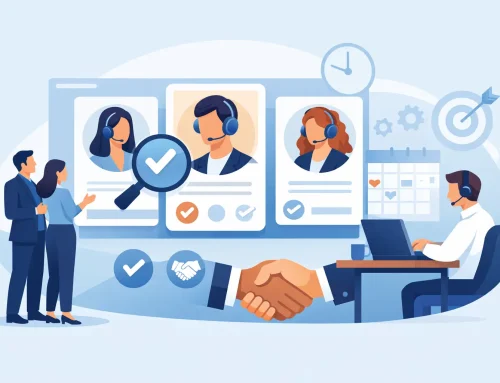
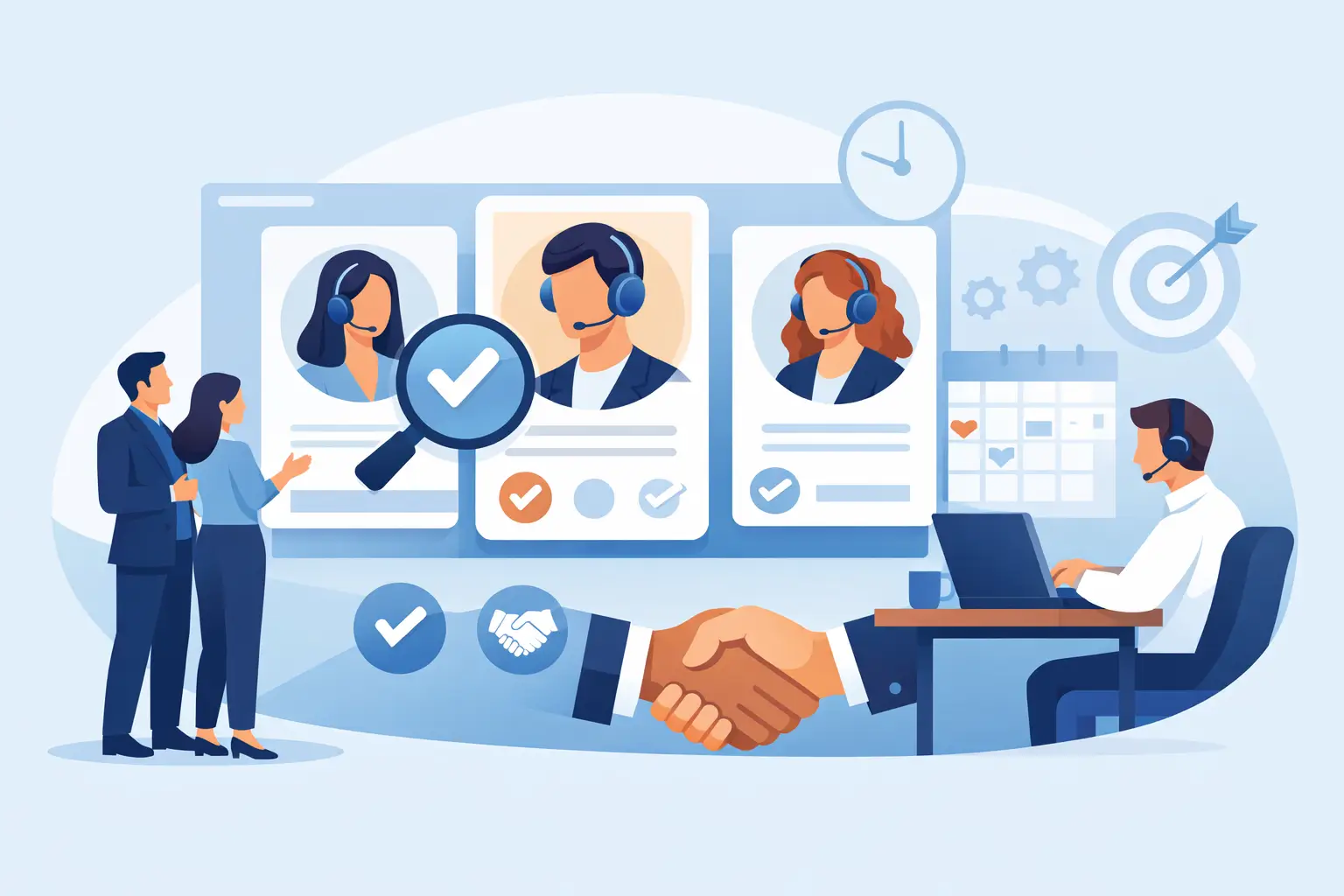
Sales and marketing also need a shared definition of qualified. If an outsourced SDR partner, internal marketing team, and account executives each use different standards, pipeline will look healthy until handoff. Define required fit criteria, buying context, stakeholders, timeframe, and next step before a meeting enters the calendar.
Fix the System Before Increasing Activity
When outbound underperforms, the instinct is usually to add more contacts, more reps, or more automation. That can scale a broken process faster. Start by narrowing the audience, testing the commercial hypothesis, validating the data, and reviewing real conversations for objections and patterns.
Then create a managed process that connects targeting, outreach, qualification, and CRM reporting. The best setup depends on your sales cycle and market. A high-consideration enterprise sale may need fewer accounts, deeper research, and more executive-level calling. A faster transactional motion may support broader segmentation and more automation. Neither approach works well when it ignores buyer intent.
Appointment Gurus helps growth teams build this kind of accountable outbound operation through industry-specific targeting, intent-led prospecting, multichannel outreach, AI-enabled calling, and CRM-integrated execution. The objective is not to keep your team busy. It is to give closers more conversations that have a legitimate path to pipeline.
Outbound starts working when every part of the motion answers one practical question: why should this specific buyer talk to us now? Build around that answer, measure what happens after the meeting, and let the market response shape the next campaign.