A prospect who requests pricing, downloads a high-intent asset, or visits your solution pages three times should not wait two business days for a callback. This conversational ai calling guide explains how B2B teams can respond faster, qualify demand consistently, and put legitimate opportunities on a sales calendar without asking closers to spend their day chasing first conversations.
AI calling is not a replacement for a strong go-to-market strategy or capable salespeople. It is an execution layer. Used well, it handles the repetitive first-mile work: fast follow-up, basic qualification, routing, scheduling, and CRM updates. Used poorly, it creates generic conversations, compliance risk, and a calendar full of weak meetings.
The difference comes down to targeting, conversation design, data quality, and operational control.
What Conversational AI Calling Actually Does
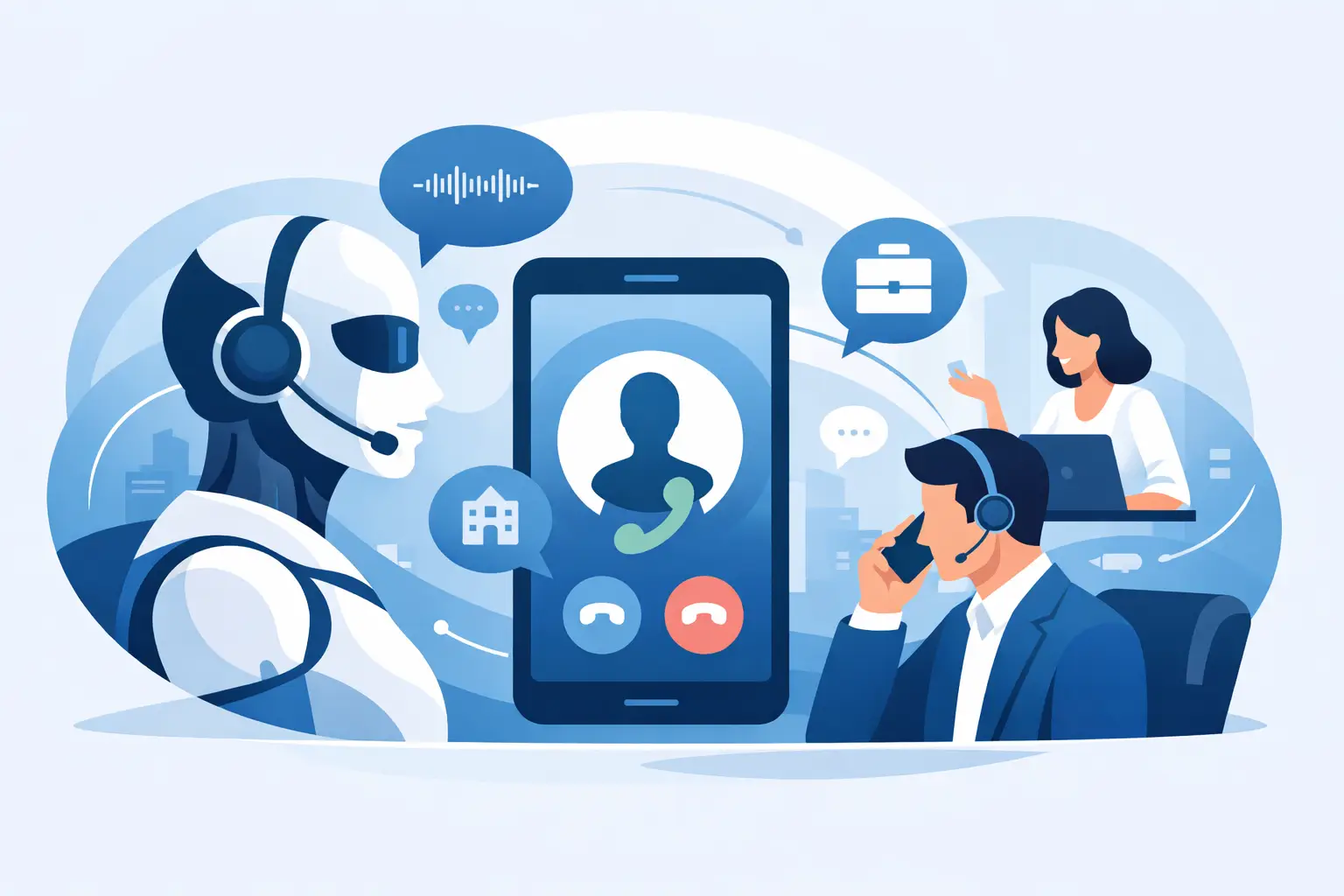
Conversational AI calling uses voice agents to conduct natural, two-way phone conversations. Unlike a prerecorded robocall, a properly configured agent can recognize responses, answer approved questions, ask follow-up questions, handle common objections, and route the prospect based on what they say.
For a B2B revenue team, the best use case is usually not cold calling an entire database with an automated script. It is prioritizing timely, relevant conversations with prospects who show a reason to engage. That may include inbound leads, webinar registrants, event follow-up lists, reactivated opportunities, target accounts showing intent signals, or prospects already touched through email and LinkedIn outreach.
The operational goal is simple: identify whether there is a real sales conversation to have, capture the details that matter, and move qualified buyers to the next step quickly.
Where AI Calling Creates Pipeline Value
Speed-to-lead is the most obvious advantage. When a buyer raises their hand, response time shapes conversion. An AI voice agent can make the first attempt quickly, including outside the narrow calling windows an internal SDR team may be able to cover.
Consistency matters just as much. Internal teams often vary in follow-up discipline when pipeline is busy, territories are changing, or managers are focused on end-of-quarter deals. A configured calling workflow applies the same qualification logic, disposition standards, and follow-up sequence every time.
It also gives sales teams back selling time. Instead of manually dialing low-priority names, leaving voicemails, and updating records after every attempt, SDRs and account executives can focus on conversations that require judgment: complex discovery, stakeholder alignment, deal strategy, and closing.
That does not mean every organization should automate every call. Enterprise accounts, sensitive healthcare conversations, strategic renewals, and complex technical evaluations may need a human from the first interaction. The right model depends on deal size, buying complexity, lead volume, and the risk of getting the conversation wrong.
Build the Calling Strategy Before Choosing the Voice
A voice agent cannot fix a weak ideal customer profile. Before launch, define which accounts and contacts deserve a call, what signal triggers outreach, and what qualifies someone for a meeting.
Start with the commercial criteria your sales team already uses. Industry, company size, geography, tech environment, job function, urgency, current provider, and budget range may all matter. Then separate hard disqualifiers from information you simply want to learn.
For example, a logistics software company may require a minimum fleet size and US operations before a sales meeting is worthwhile. A financial services firm may prioritize registered advisors, assets under management, or a specific service need. If the agent treats every answer as a meeting-worthy response, it will inflate activity while damaging sales confidence.
Your trigger should also match the message. A prospect who requested a demo needs a different opening than a cold target account showing research activity. Context is what makes an AI call feel relevant rather than intrusive.
Define one clear outcome per call flow
Each call flow needs a primary job. For most B2B campaigns, that job is one of three things: qualify and book a meeting, confirm interest and transfer to a live rep, or capture the right follow-up path.
Trying to pitch every feature, handle every objection, and complete full discovery in one automated call usually reduces performance. Keep the initial conversation focused on why the prospect was contacted, whether the issue is relevant, and what should happen next.
Design a Conversation That Sounds Commercial, Not Scripted
The strongest AI calling programs use structured talk tracks without forcing prospects through a rigid script. The agent should identify itself appropriately, state the reason for the call, and ask a question that earns the next 30 seconds.
A practical opening for an inbound lead might sound like this: “You recently requested information about reducing manual reporting. I’m calling to see whether this is an active project and, if it is, help schedule the right person for a brief conversation.”
That opening works because it is specific. It does not pretend the prospect is expecting a personal relationship, and it gives them a clear reason to respond.
Build approved responses for predictable situations: “Send me an email,” “We already have a provider,” “I’m not the right person,” “How much does it cost?” and “Call me later.” The goal is not to win an argument. It is to capture a useful signal and advance the opportunity when there is a fit.
A good agent also needs permission to exit. If a prospect is not interested, asks not to be contacted, or clearly does not fit the profile, the call should end politely and the CRM should reflect that outcome immediately.
Qualification Should Protect the Sales Calendar
Meeting volume is a vanity metric if sales reps reject half the appointments. Quality is the metric that matters.
Define a short qualification framework based on your actual sales process. This might include the prospect’s role, business challenge, timing, current approach, and willingness to evaluate alternatives. For higher-consideration offers, add decision process and relevant operational constraints before booking.
Avoid overloading the agent with a 15-question interrogation. Buyers will not stay on the phone for an automated discovery call that feels like a form. Ask enough to determine fit, then let a trained seller handle the deeper conversation.
The booking rule should be explicit. A meeting may require a target account match, a relevant role, a stated business need, and an active or near-term timeline. If one condition is missing, route the lead into a nurture sequence instead of forcing a meeting.
Integrate the Workflow Into Your CRM
AI calling creates value only when the output reaches the right people with usable context. Every call should create or update a CRM record with the contact status, disposition, qualification responses, call outcome, scheduled meeting details, and next action.
Sales reps should not need to hunt through recordings to understand why a meeting was booked. Give them a concise call summary, key pain points, stated timeline, relevant objections, and the exact follow-up commitment. If the prospect asked for a specific case study or requested a callback next week, that detail belongs in the workflow.
Routing rules matter here. Hot prospects should be transferred or assigned immediately. Qualified meetings should land on the appropriate calendar based on territory, vertical, account ownership, or product line. Nurture-ready contacts should enter a coordinated email, calling, and retargeting sequence rather than disappear after one unsuccessful attempt.
This is where a managed top-of-funnel program has an advantage. Calling, intent signals, email engagement, appointment booking, and CRM execution operate as one system instead of disconnected tactics.
Measure What Improves Revenue, Not Just Call Activity
Calls placed and conversations completed are useful operational metrics, but they do not prove pipeline impact. Track performance from first contact through opportunity creation.
Monitor contact rate, meaningful conversation rate, qualification rate, meetings booked, meeting show rate, sales acceptance rate, opportunity conversion, and pipeline created. Segment the results by source, industry, campaign, persona, trigger, and call time. A workflow that performs well for inbound demo requests may perform poorly for older event leads.
Review call recordings and outcomes regularly with sales leadership. Look for patterns: Are prospects confused by the opening? Are certain objections causing drop-off? Are reps rejecting meetings because qualification is too loose? Is the agent failing to capture a detail that would help the handoff?
Optimization should be continuous. Update the talk track, qualification logic, routing rules, and source prioritization based on actual sales feedback, not assumptions.
Compliance and Brand Control Are Non-Negotiable
B2B calling still carries legal, operational, and reputational responsibilities. Confirm that your outreach approach, consent practices, calling times, opt-out processes, recording disclosures, and data handling align with applicable federal and state requirements. Rules can vary by jurisdiction and campaign type, so legal guidance should shape the program before scale.
Brand control matters too. The agent should never invent pricing, make unsupported claims, impersonate a human, or pressure a prospect after a clear refusal. Establish approved knowledge boundaries and escalation paths for questions involving contracts, security, regulated industries, or technical commitments.
A poorly controlled voice agent can create more cleanup work than it saves. A well-controlled one becomes a reliable extension of your SDR operation.
Make AI Calling Part of a Larger Demand Engine
The highest-performing programs do not treat conversational AI as a standalone channel. They use it to accelerate relevant moments across the buyer journey. Intent data identifies accounts researching a category. Multichannel outreach creates familiarity. AI calling follows up at the moment interest is most likely to convert. Human sellers take over when opportunity quality justifies their time.
Appointment Gurus applies this operating model to help B2B teams turn targeting and engagement signals into qualified sales conversations, with execution tied directly to CRM workflows and pipeline outcomes.
Start with a narrow segment, a defined trigger, and clear meeting acceptance criteria. Once the data shows that the calls produce accepted opportunities rather than just booked calendars, expand with confidence.