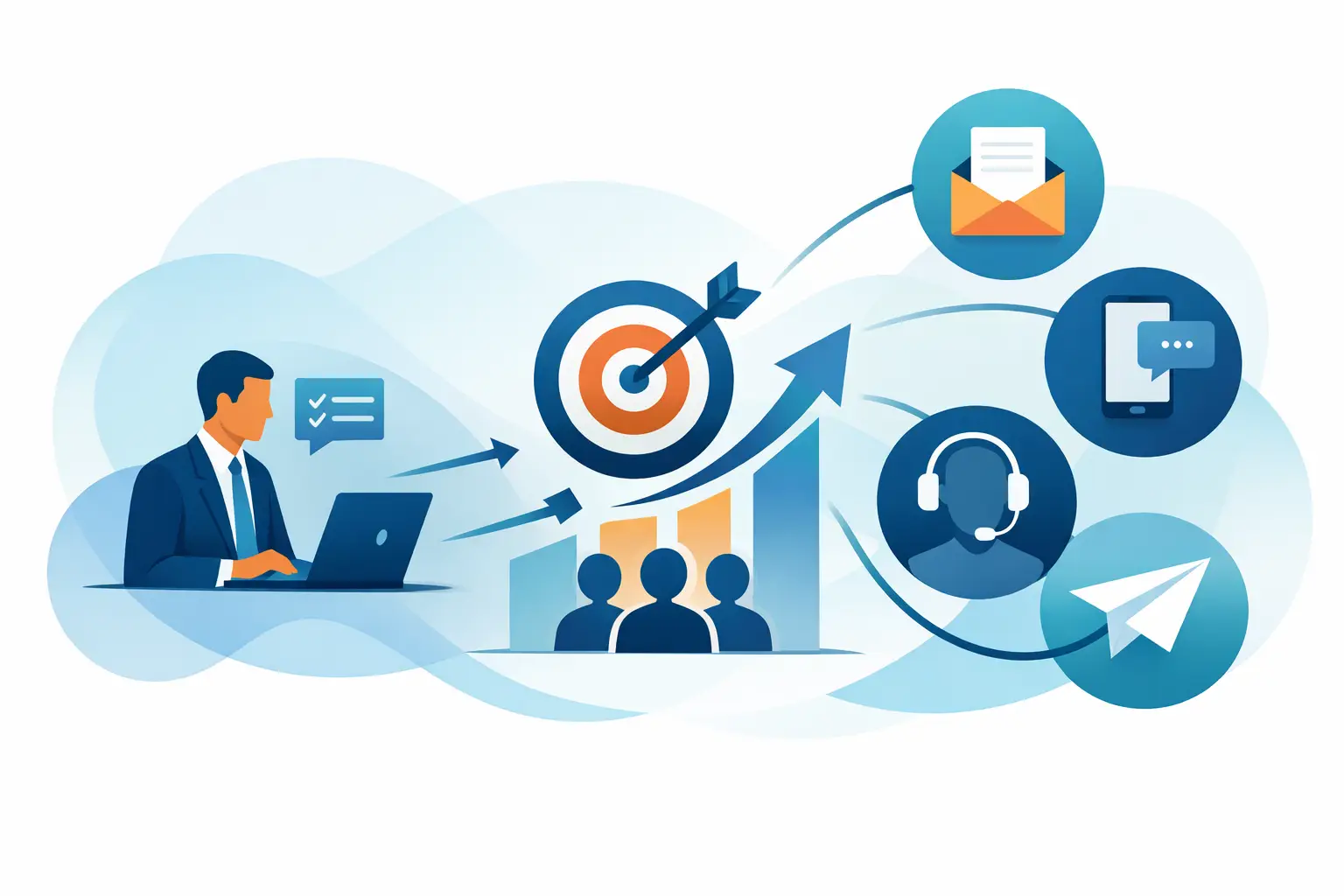
One channel rarely fails all at once. It just gets weaker over time. Reply rates dip, connect rates flatten, paid costs rise, and suddenly your pipeline depends on one tactic that no longer performs like it used to. That is exactly why a multichannel outbound strategy matters. For B2B sales teams that need qualified meetings on a consistent basis, relying on a single outreach lane is not efficient. It is a revenue risk.
A strong outbound system does not ask whether email is better than calls, or whether LinkedIn beats paid retargeting. It asks a more useful question: what channel mix gives your team the best chance of starting timely conversations with the right buyers? When outreach is aligned to buyer intent, industry fit, and message timing, channel coordination stops being a marketing buzzword and becomes a pipeline engine.
What a multichannel outbound strategy actually means
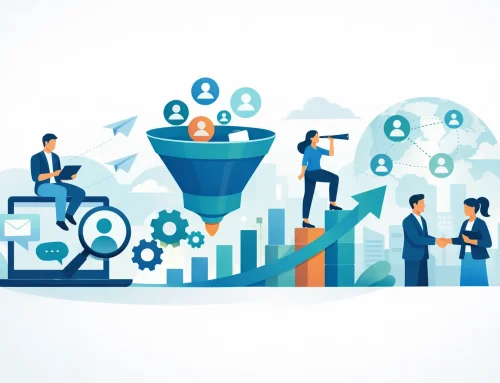
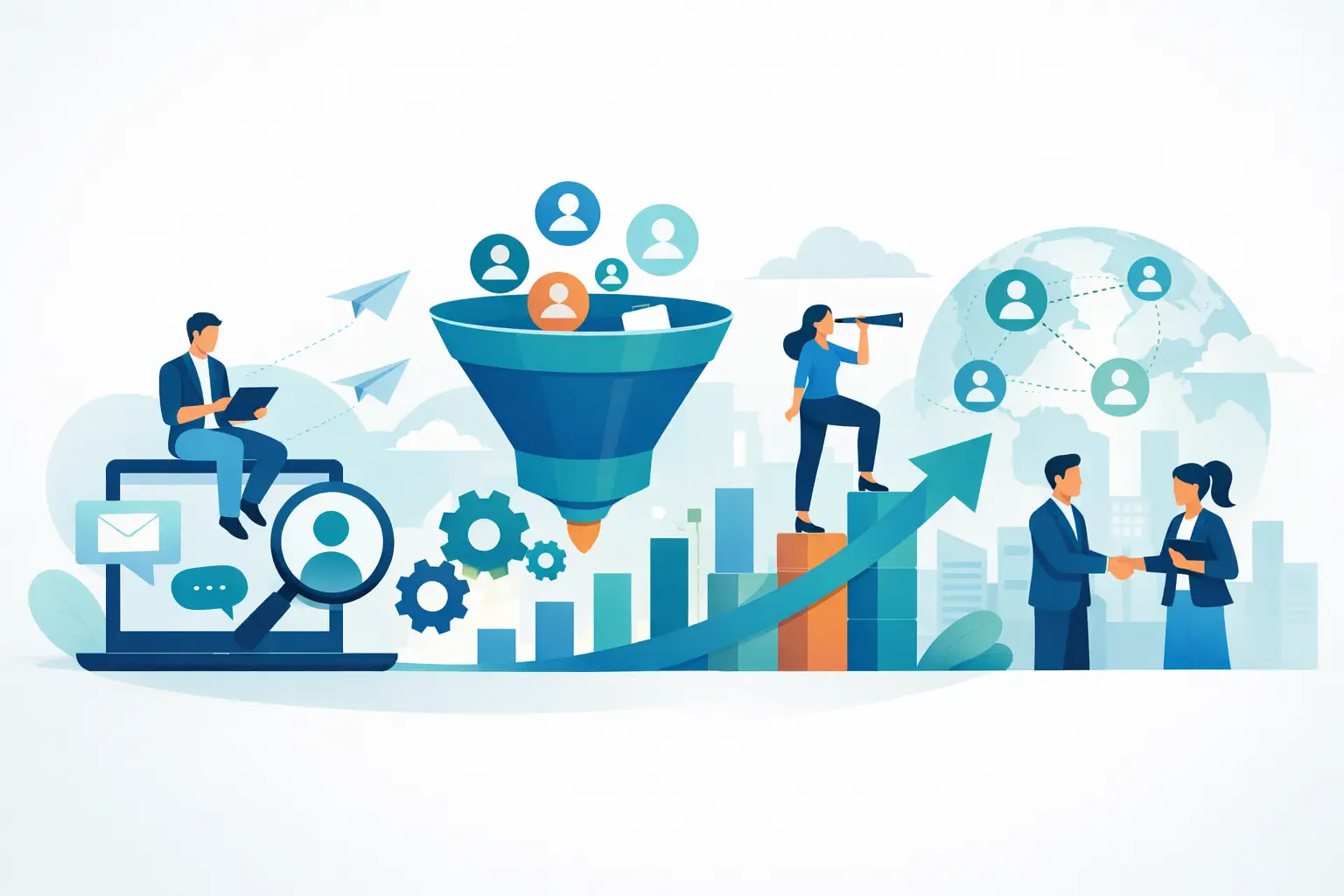
A multichannel outbound strategy is a coordinated approach to prospecting across more than one outbound channel, usually email, phone, LinkedIn, AI calling, paid touchpoints, and follow-up workflows tied to CRM activity. The key word is coordinated. Sending one cold email and one cold call is not a strategy. Running disconnected activity in several tools is not a strategy either.
The goal is to create repeated, relevant exposure without turning outreach into noise. A buyer may ignore your first email, notice your LinkedIn touch two days later, hear a voicemail the following week, and finally respond when your message lines up with an active business problem. That sequence matters. So does the data behind it.
Done well, multichannel outbound increases response rates because it reflects how real buyers behave. Decision-makers are busy, channel preferences vary by role, and timing is rarely perfect on the first attempt. Multiple channels give your team more than one path into the conversation.
Why single-channel outbound breaks down
Most underperforming outbound programs do not fail because the offer is terrible. They fail because the execution is too narrow. If your team depends only on cold email, deliverability becomes a bottleneck. If it depends only on calls, you run into lower connect rates and gatekeeper friction. If it depends only on social outreach, volume and urgency usually suffer.
Single-channel outreach also creates poor feedback loops. When only one tactic is running, it becomes harder to tell whether the issue is the audience, the message, the offer, or the medium itself. A broader system gives you cleaner signal. If calls convert with operations leaders but email works better for technical buyers, that is useful operational data. It helps you allocate effort where conversion is more likely.
There is also a staffing issue. Internal AEs and sales leaders should not spend prime selling hours guessing which channel might work best this quarter. Their job is to close. Prospecting needs its own system, its own process discipline, and its own performance metrics.
The core parts of a multichannel outbound strategy
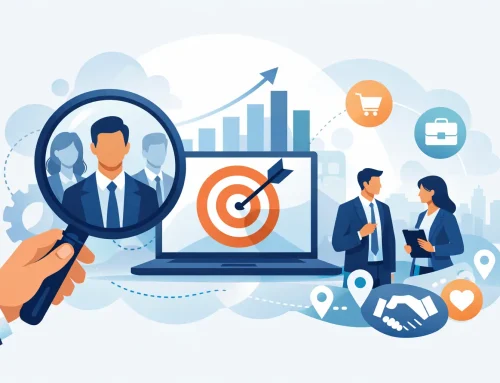
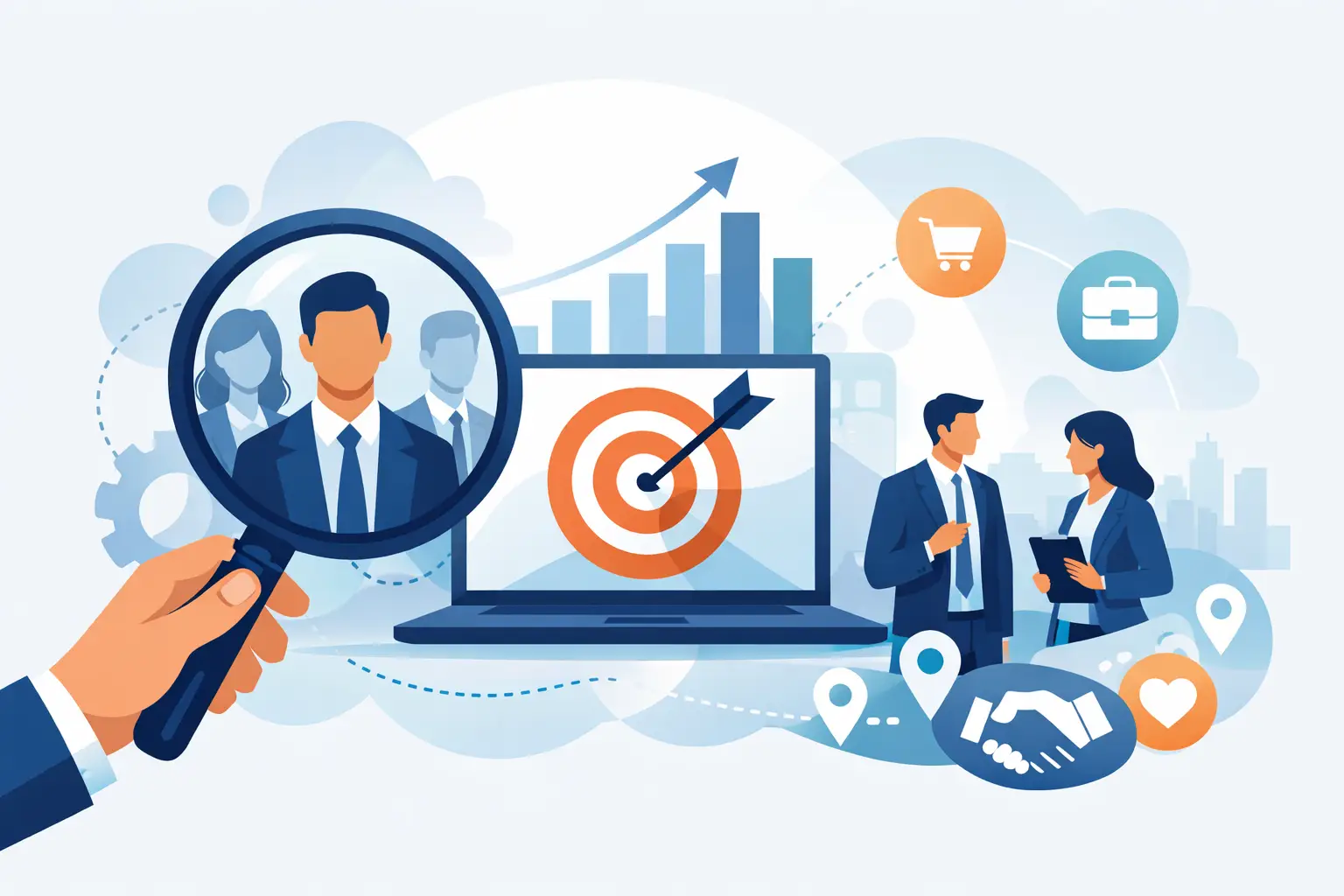
The first component is targeting. If the account list is weak, the channel mix will not save it. Strong outbound starts with a clearly defined ideal customer profile, segmented by industry, company size, buying trigger, and decision-maker role. In healthcare, financial services, logistics, and IT, that level of specificity is not optional. Messaging, compliance sensitivity, buying cycles, and stakeholder structures vary too much.
The second component is intent. Not every qualified account is ready for a conversation. Prioritizing in-market buyers changes the economics of outbound. When your team focuses first on accounts showing signs of active demand, response rates tend to improve and wasted activity tends to drop.
The third component is messaging. Channel diversification does not mean copying the same script everywhere. Email should carry clarity and relevance. Calls should create urgency and surface pain quickly. LinkedIn should support familiarity and credibility. AI voice can increase speed and follow-up capacity, but only if the conversation design feels natural and routes qualified interest properly.
The fourth component is sequencing. Outreach should feel orchestrated, not random. The order, spacing, and tone of each touch need to match the audience and sales motion. Enterprise buyers usually require more patience and more stakeholders. Mid-market campaigns can often move faster.
The fifth component is measurement. If your CRM is not capturing touch data, reply quality, meeting outcomes, and conversion by source, you are not running a scalable outbound program. You are running activity.
Channel mix should match the buyer, not your software stack
This is where many teams get it backward. They build campaigns around available tools instead of buyer behavior. A better approach is to work from the buying environment outward.
For example, senior executives often respond better to concise messaging and fewer touches, while managers may engage more readily if the message is tactical and tied to an active operational problem. Technical buyers may ignore generic business claims but respond to precision and process detail. Regulated industries may require more careful positioning and tighter data practices.
That means the right multichannel outbound strategy is not fixed. It depends on deal size, audience seniority, market maturity, and sales cycle length. A company selling a high-ticket logistics solution may lean heavily on phone, email, and account-based follow-up. A firm targeting independent financial advisors may get better traction from a lighter, faster mix with stronger nurture timing.
There is also a volume trade-off. More channels can expand reach, but they can also create operational drag if the sequencing is sloppy or the data is poor. The answer is not adding every possible touchpoint. It is choosing the few that improve buyer contact and conversation quality.
Execution is where most outbound programs lose money
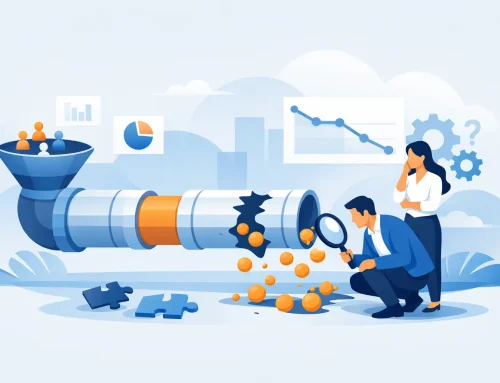
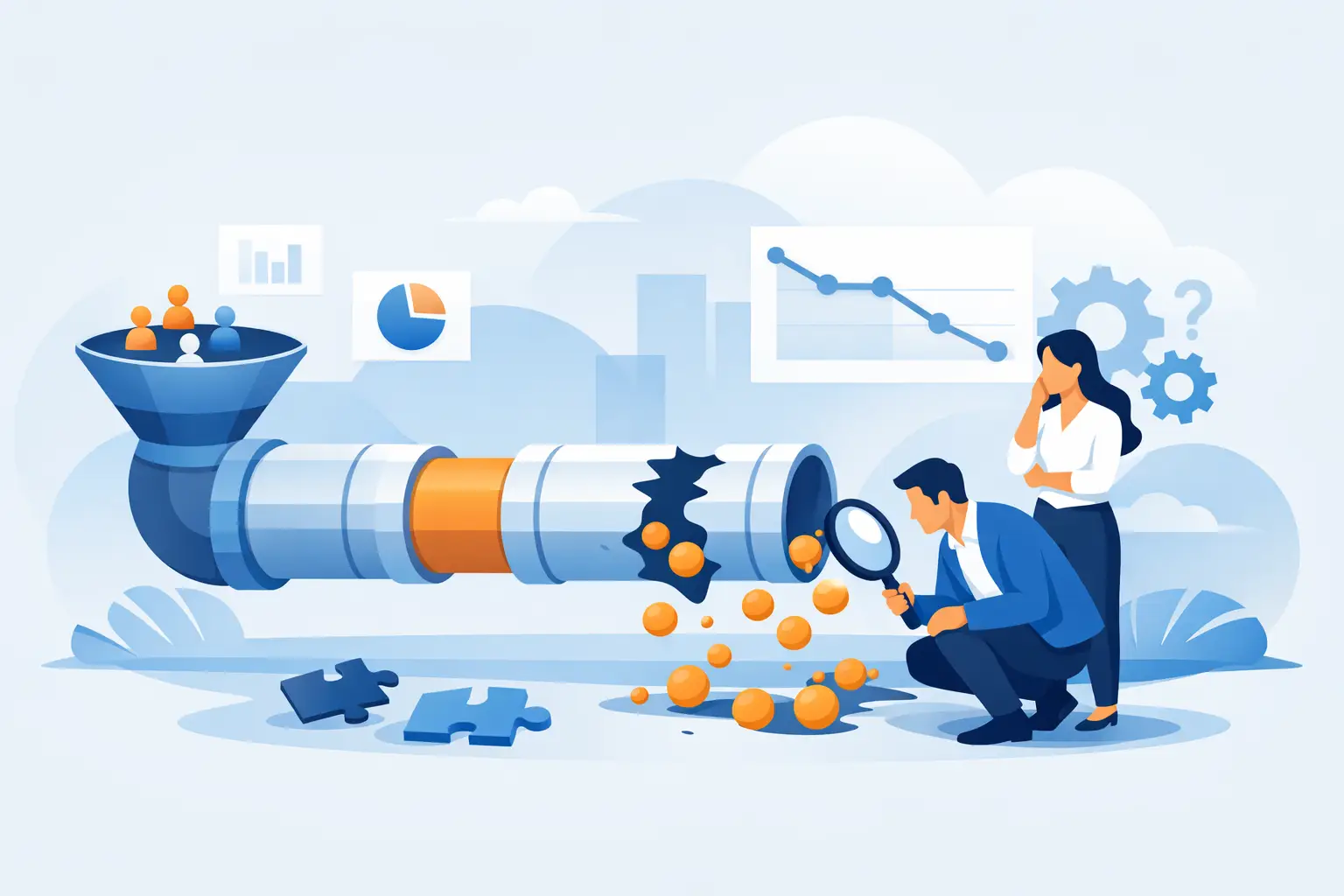
The difference between a good strategy and a profitable one is operational discipline. Campaigns need clean data, accurate segmentation, message testing, channel-level reporting, and fast follow-up on engagement. If someone replies with interest and waits two days for a response, the problem is not top-of-funnel volume. The problem is execution.
This is why managed outbound models are gaining traction. Many internal teams do not need more ideas. They need capacity, process control, and consistent output. Building all of that in-house takes time, management attention, tooling, and hiring that many growth-stage firms would rather avoid.
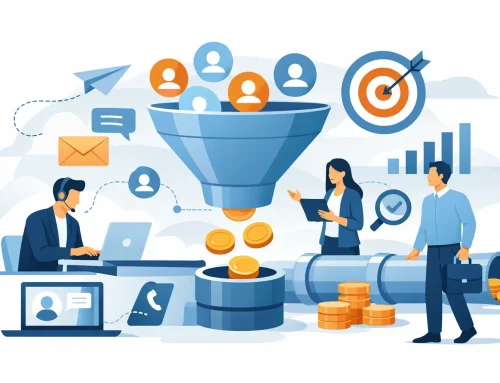
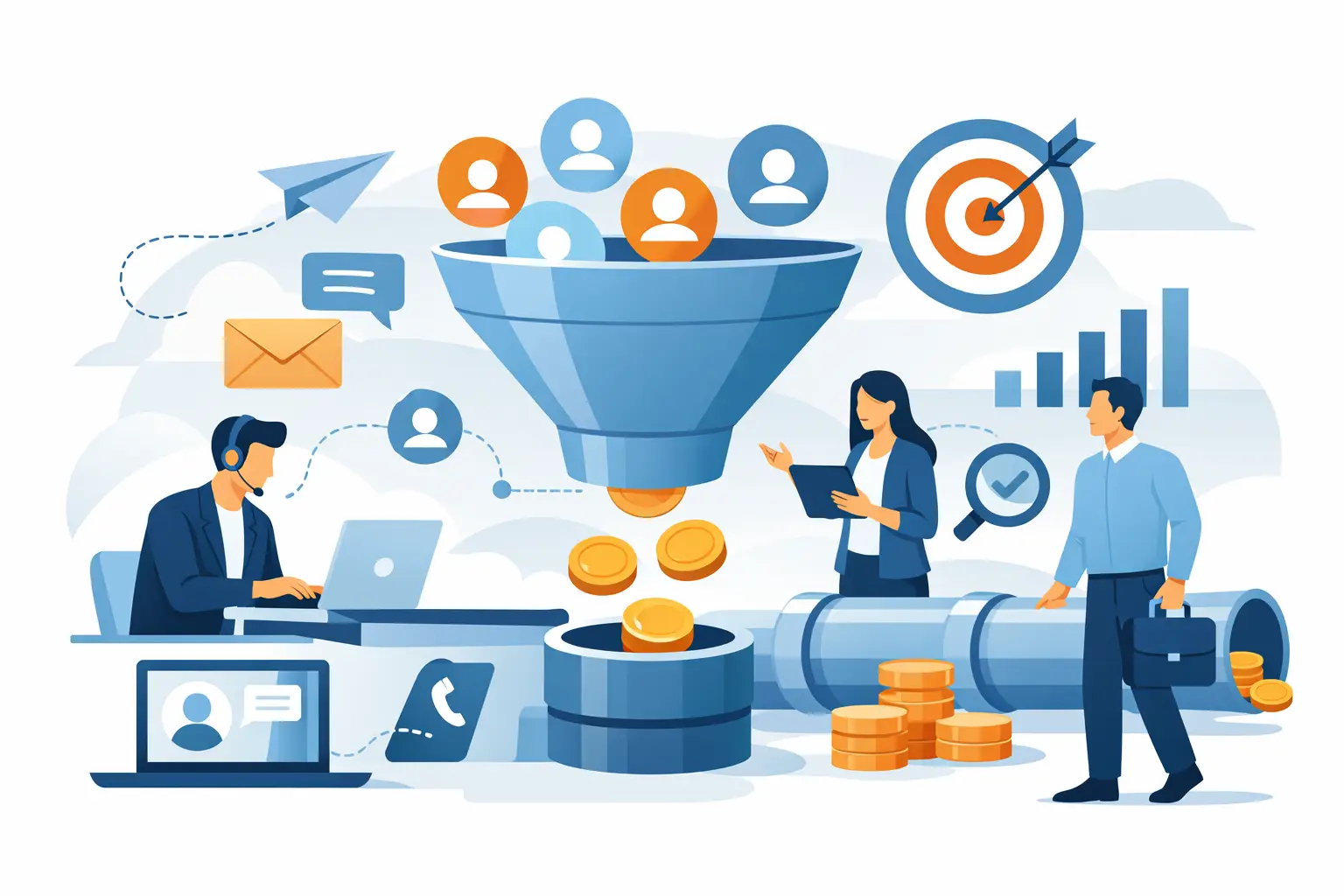
A managed partner can centralize list building, targeting, multichannel sequencing, AI-assisted calling, CRM updates, and appointment setting under one system. That matters because fragmented ownership usually creates inconsistent results. One person owns email, another owns calling, marketing owns paid, and nobody owns pipeline efficiency from first touch to booked meeting.
Appointment Gurus is built around solving exactly that problem: replacing ad hoc prospecting with a managed top-of-funnel engine that focuses on fit, intent, and booked conversations that sales teams can actually work.
How to tell if your strategy is working
The wrong metric is raw activity. More dials and more emails can hide poor targeting for months. The better view is downstream performance.
Look at positive reply rate, conversation rate, meeting show rate, opportunity creation, and pipeline value by segment. Then compare those numbers by channel combination, not just by individual channel. You want to know whether phone plus email outperforms email plus LinkedIn for a specific audience, or whether intent-led campaigns produce better meeting quality than broad ICP targeting alone.
You should also watch for friction inside the handoff. If meetings are getting booked but not converting, the issue may be qualification criteria, weak discovery prep, or poor alignment between outbound messaging and the actual sales conversation.
A healthy outbound system creates more than meetings. It creates meetings that move.
What to avoid in a multichannel outbound strategy
The biggest mistake is adding channels without adding relevance. More touches do not fix weak positioning. Another common issue is poor sequence design, where every message asks for a meeting before enough context has been established.
Teams also over-automate too early. Automation is useful, but it should support judgment, not replace it. If your system cannot adapt by persona, engagement signal, or account priority, it will produce volume without momentum.
Finally, avoid treating outbound as separate from revenue operations. If the campaign data is not flowing into the CRM cleanly, reporting will be weak and optimization will lag. Outbound should plug into the same pipeline view your leadership team uses to make decisions.
The companies that win with outbound are not always the loudest. They are the most deliberate. They know who they want to reach, why now is the right time, and how to use each channel with purpose. If your current prospecting motion feels inconsistent, a stronger multichannel outbound strategy is not just a marketing upgrade. It is a practical way to create more qualified conversations without asking your closers to become full-time prospectors.