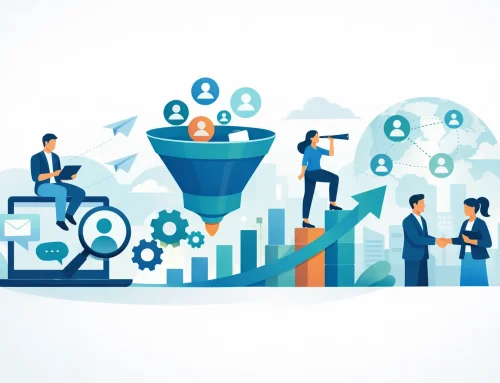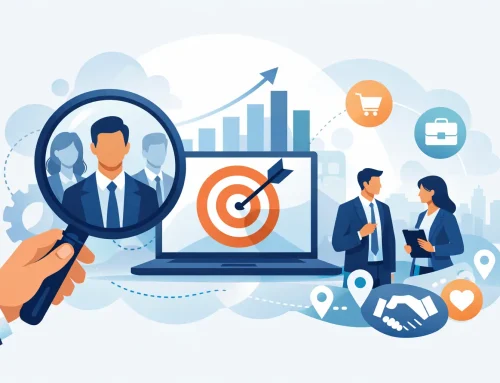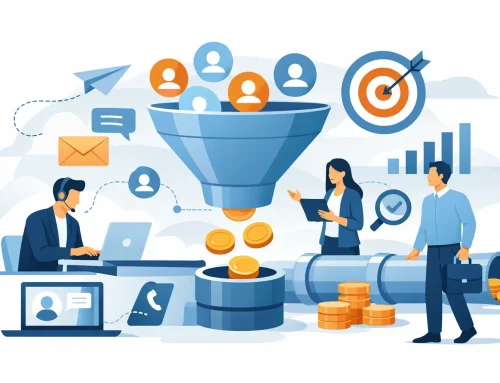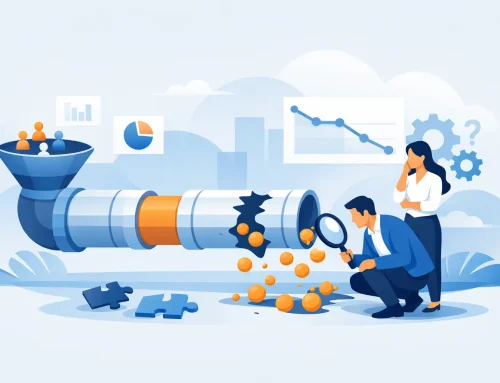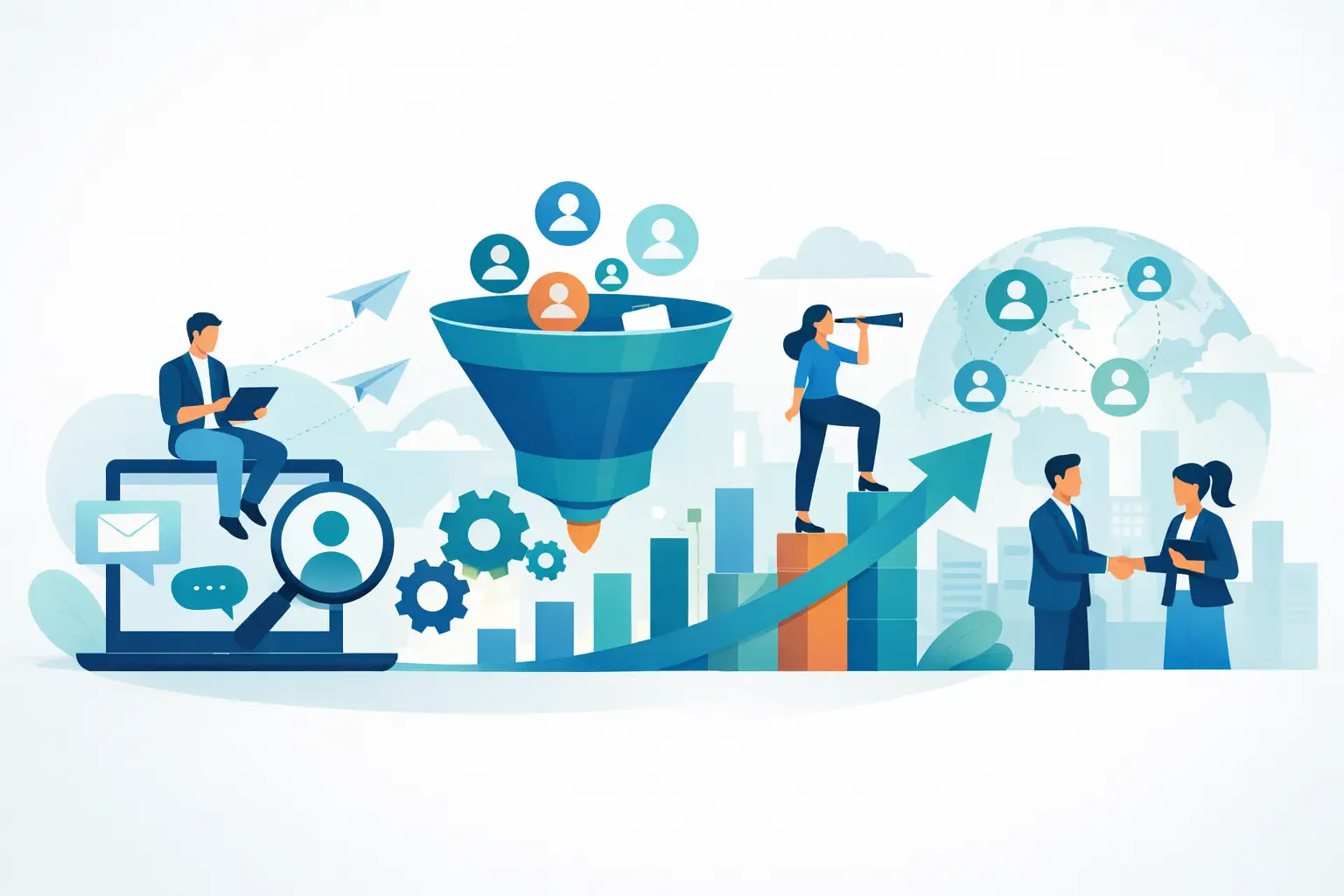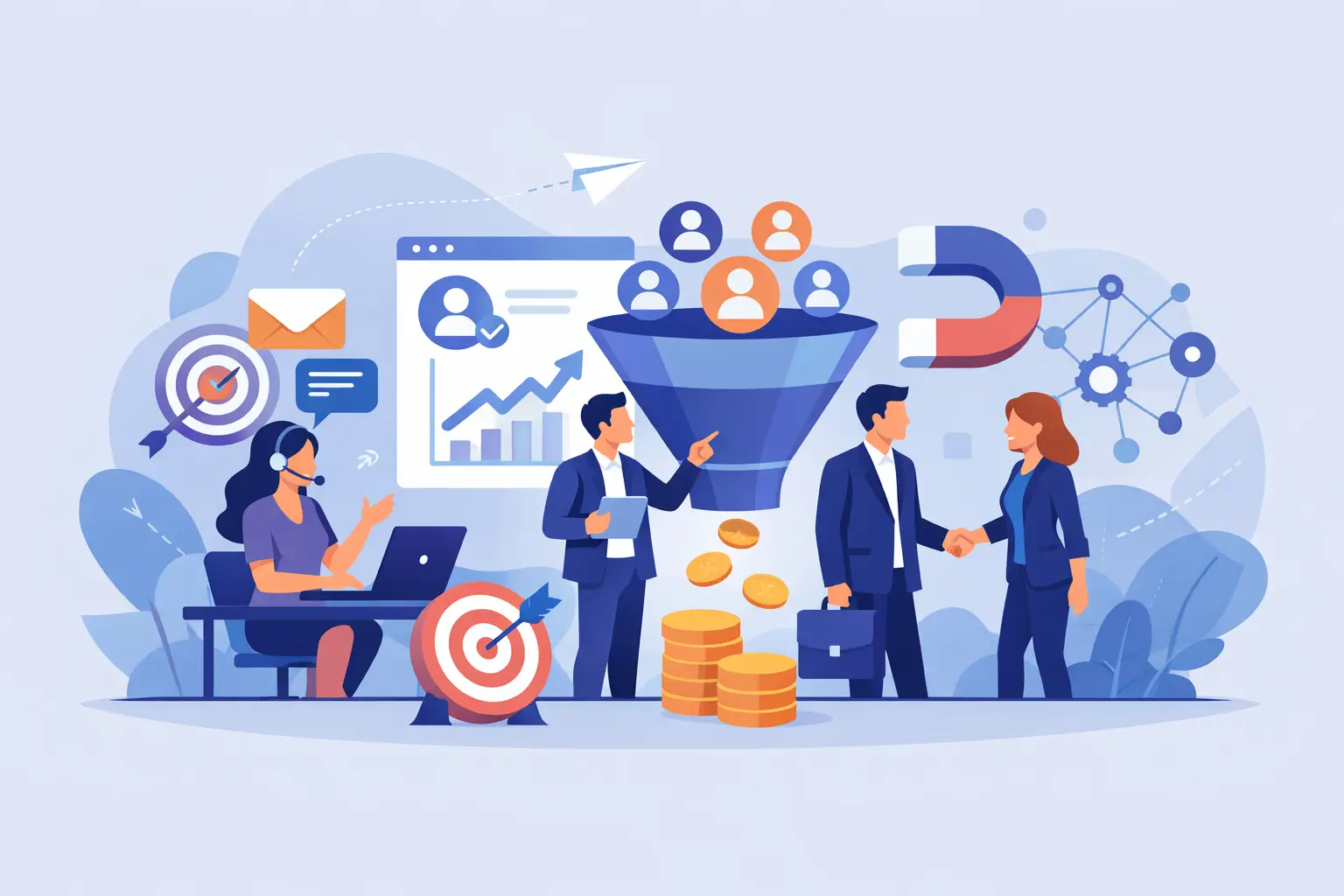
Pipeline problems rarely start at closing. They start much earlier, when good reps spend too much time building lists, chasing cold contacts, and working leads that were never a fit. That is where sales development as a service changes the math. Instead of forcing your internal team to own every part of top-of-funnel execution, it gives you a managed outbound function built to create qualified conversations at scale.
For growth-focused B2B companies, that matters because the cost of inconsistent pipeline is high. Missed quota, longer sales cycles, and underused account executives usually trace back to one issue: not enough qualified meetings with the right buyers. Sales development as a service is designed to fix that issue with a dedicated system for prospecting, outreach, follow-up, and appointment setting.
What sales development as a service actually means
Sales development as a service is an outsourced model for handling the front end of your sales process. A specialized partner takes responsibility for identifying target accounts, finding relevant contacts, building outreach sequences, managing replies, qualifying prospects, and booking meetings for your closers.
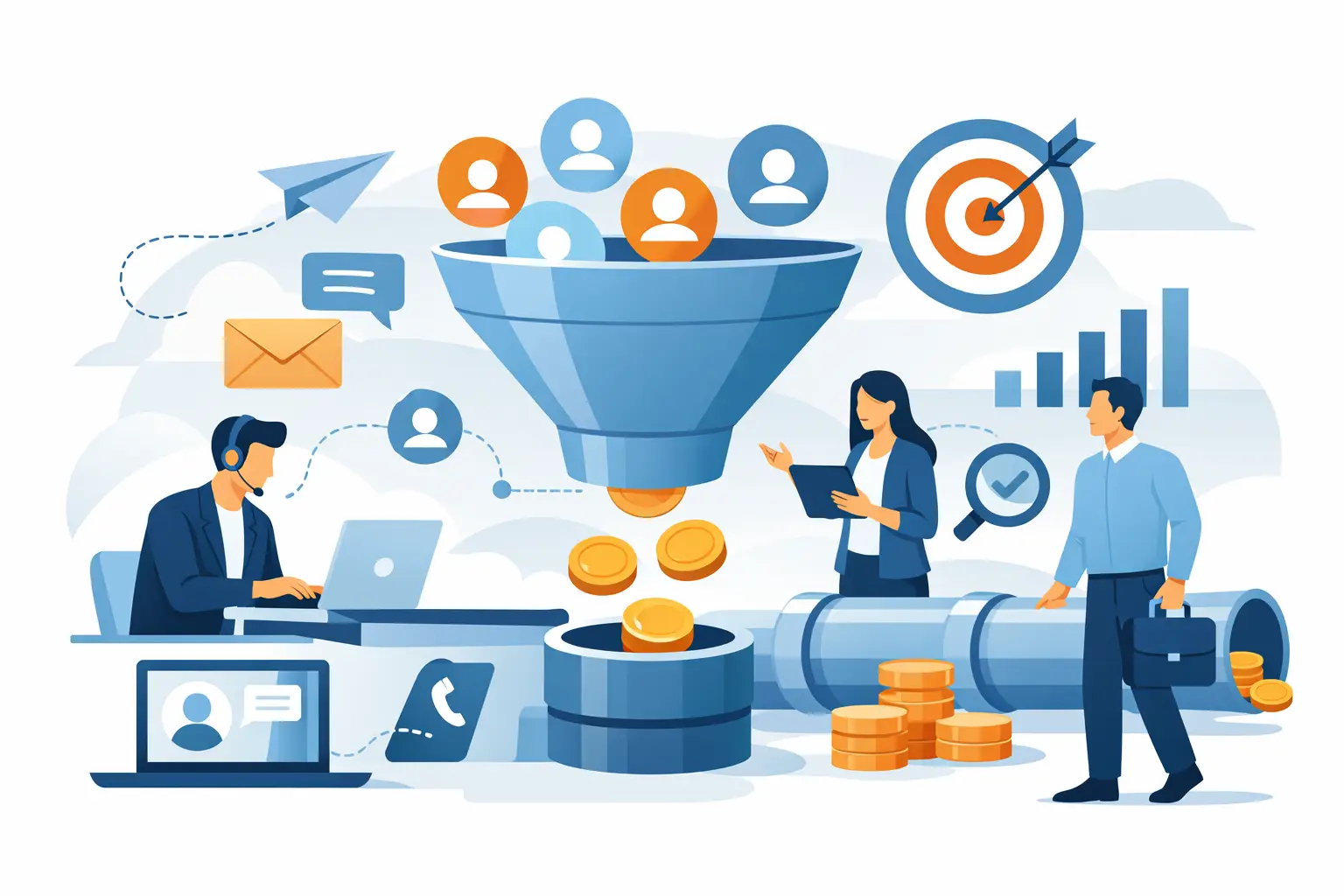
This is not the same as buying a lead list or hiring a freelancer to send cold emails. A true SDaaS model is managed, operational, and tied to pipeline outcomes. It usually includes targeting strategy, message testing, multichannel outreach, CRM coordination, and reporting. In stronger programs, it also includes intent data, calling, paid support, AI-assisted outreach, and industry-specific campaign design.
The main appeal is simple. You get a functioning sales development engine without building the entire SDR operation in-house.
Why companies buy sales development as a service
Most companies do not struggle because they lack a product or market. They struggle because outbound execution is hard to maintain consistently. Internal reps get pulled into demos, proposals, account management, and internal meetings. Prospecting becomes the task everyone says matters and no one has enough time to do well.
Sales development as a service solves that by separating pipeline creation from closing activity. Your account executives stay focused on selling. Your outsourced team focuses on starting conversations with buyers who match your ideal customer profile.
That division of labor is especially useful when you need growth without the overhead of hiring, training, and managing a full SDR team. Recruiting sales development reps takes time. Ramp time takes even longer. Then there is scripting, QA, tool setup, data sourcing, and the normal turnover that comes with entry-level outbound roles. A service model compresses that timeline.
It also creates more accountability when the partner owns execution. If your internal team is responsible for outreach on top of everything else, underperformance can stay vague. With a managed provider, activity, reply rates, meeting volume, qualification criteria, and pipeline contribution are easier to measure.
Where the model works best
This model tends to work best for B2B companies with a clear offer, a defined target market, and a sales process that depends on booked conversations. That includes firms in software, financial services, healthcare, logistics, and other categories where deal values justify a structured outbound motion.
It is also a strong fit for companies in one of three situations. The first is when leadership needs pipeline now and cannot wait six months to build a team. The second is when internal salespeople are wasting too many hours on list building and cold outreach. The third is when outbound exists, but results are too inconsistent to support forecasting.
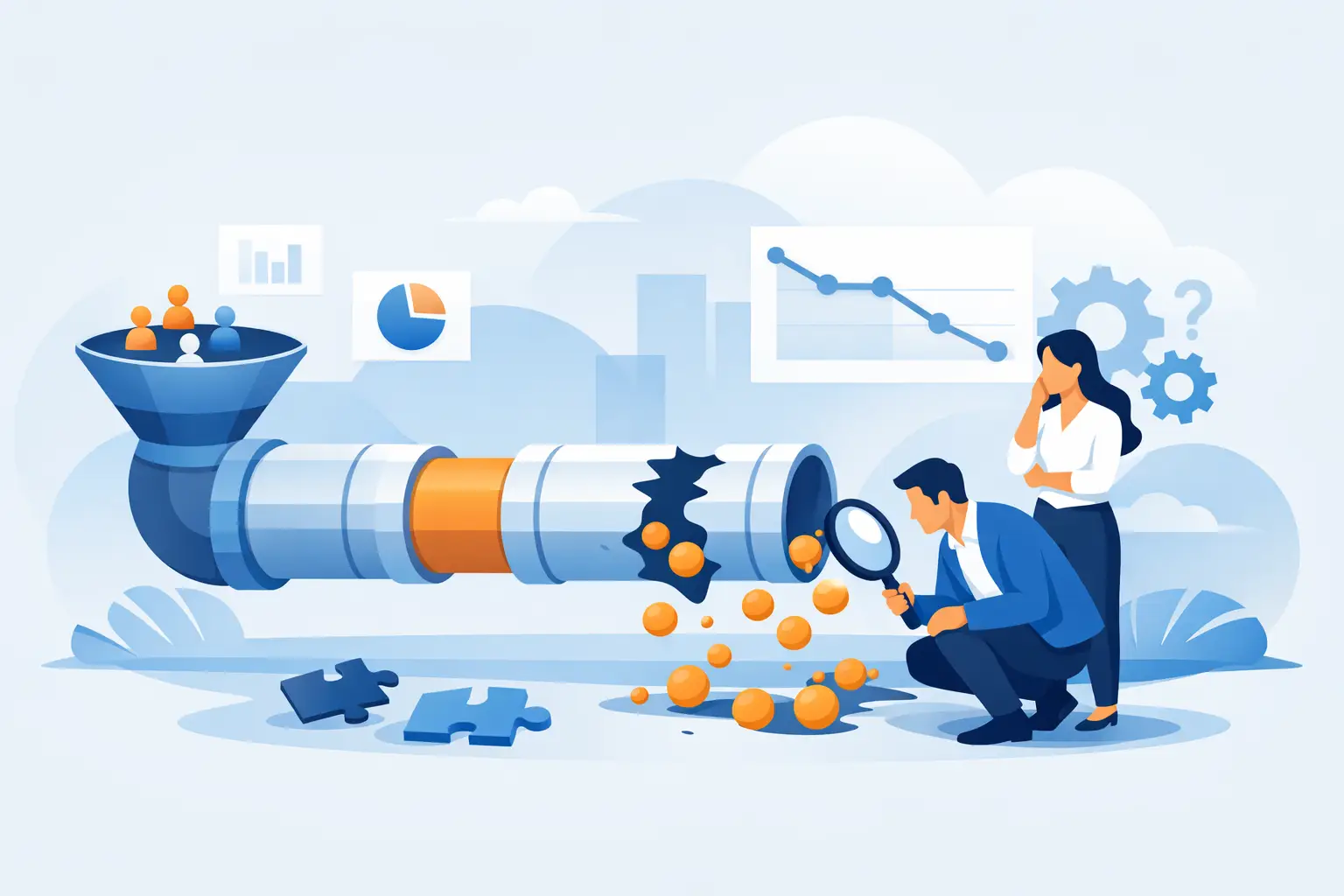
That said, it is not magic. If your positioning is weak, your market is too broad, or your sales process breaks down after the meeting, sales development as a service will not fix every revenue problem. It can create qualified opportunities. It cannot replace product-market fit or a weak closing process.
What a strong sales development as a service program includes
The quality of the program depends less on the label and more on the operating model behind it. Good providers do not just promise meetings. They build a system around buyer relevance, channel mix, and conversion discipline.
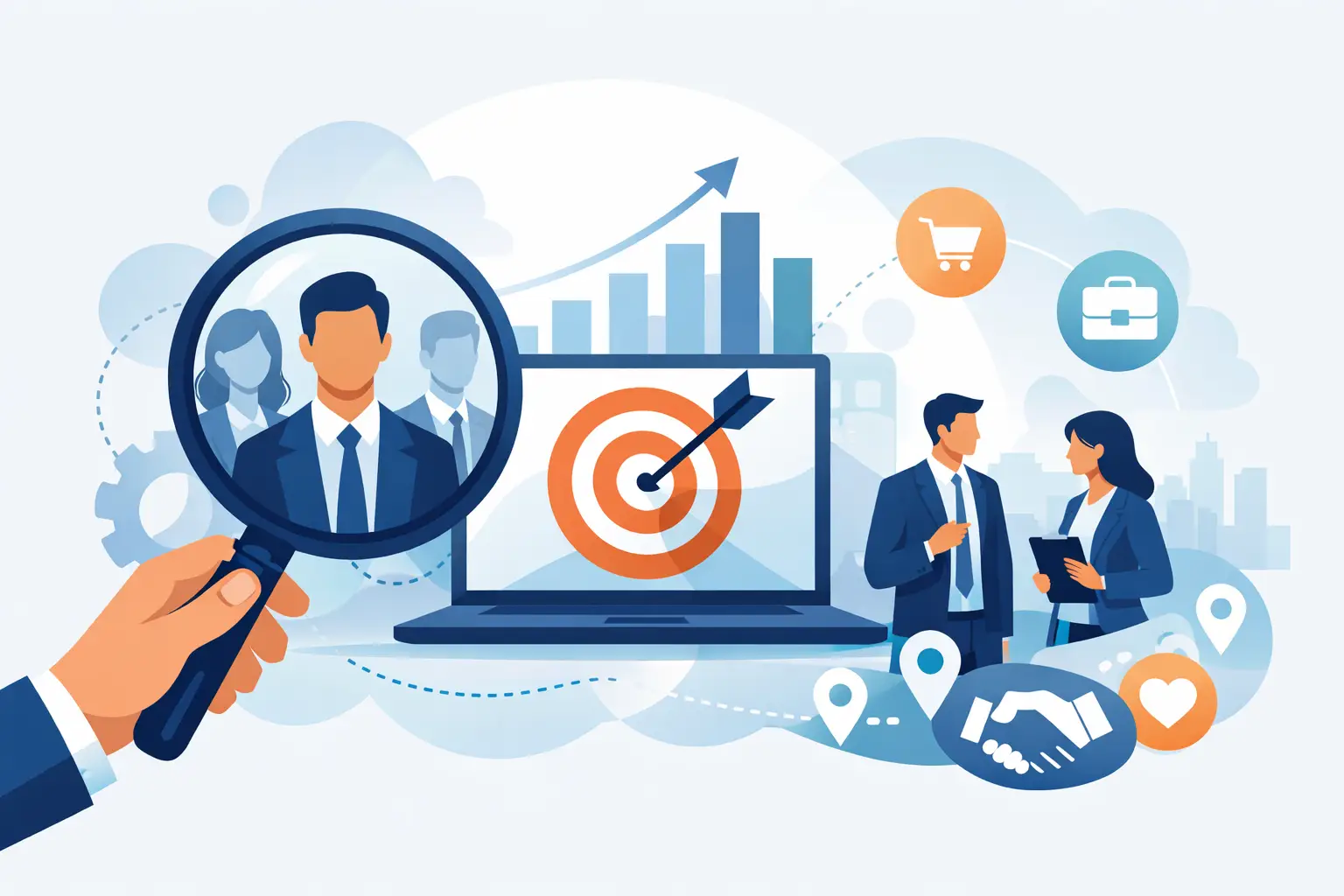
It starts with ICP definition. If the targeting is loose, the campaign will be noisy. Strong programs narrow by industry, company size, geography, role, pain point, and buying signals. They may also layer in intent data so outreach focuses on companies already showing signs of interest in a category, problem, or solution.
Then comes messaging. This is where many outbound efforts fail. Generic copy gets ignored, and aggressive copy gets blocked. Effective messaging is specific, commercially relevant, and aligned to the prospect’s role. It gives people a reason to respond now, not later.
Execution should extend beyond one channel. Email-only campaigns can still work, but response quality improves when outreach includes calls, LinkedIn touches, voicemail, and structured follow-up. Multichannel execution matters because buying attention is fragmented. Your prospects do not all respond the same way.
The final piece is operational integration. Meetings should land in the calendar correctly. CRM records should stay clean. Handoffs should include context on the account, the contact, and the qualification details. Without that structure, volume may go up while efficiency goes down.
The trade-offs to understand before you outsource
The biggest benefit of outsourcing sales development is speed. The biggest risk is misalignment.
If the provider does not understand your market, they can produce activity without producing opportunity. You may see a healthy number of sends, calls, and meetings, but the meetings are weak. That usually happens when the engagement is built around volume instead of fit.
There is also a control trade-off. An internal team gives you direct oversight. A service model requires trust, process clarity, and regular calibration. That does not mean you lose visibility. In fact, the best partners provide more reporting than many internal teams. But you do need alignment on qualification, messaging, account priorities, and what counts as success.
Cost should be viewed carefully as well. A cheaper provider that books poor-fit meetings is not actually cheaper. It wastes sales time and damages confidence in outbound. A higher-quality provider may cost more up front but produce better pipeline efficiency and lower acquisition costs over time.
How to evaluate a provider
Start with the operating questions, not the pitch deck. Ask how they define and refine your ideal customer profile. Ask how they source data, how they validate contacts, and how they personalize by vertical or persona. Ask what channels they use and how often they optimize messaging.
Then look at qualification standards. Are they booking any conversation they can get, or are they screening for budget, need, timing, and fit? You want a partner that protects your calendar, not one that fills it for the sake of reporting.
Integration matters too. The provider should work cleanly with your CRM, scheduling workflows, and sales process. If your team has to manually reconstruct every handoff, the service adds friction instead of removing it.
Finally, ask how success is measured. Meetings matter, but they are not the final score. Qualified opportunities, pipeline created, conversion to sales-accepted meetings, and downstream revenue impact are better indicators of value.
Why modern SDaaS is changing
The older version of outsourced prospecting was mostly labor. The newer version is a blend of labor, data, automation, and AI.
That shift matters because outbound is no longer just about doing more touches. It is about doing smarter ones. Intent signals help prioritize accounts that are more likely to engage. AI voice agents can support call coverage and follow-up without adding headcount linearly. Automation keeps sequences moving. Human oversight keeps messaging credible and qualification standards high.
This is where performance-focused providers stand apart. They are not selling a generic SDR service. They are building a managed top-of-funnel engine designed to create efficient pipeline with tighter targeting, better timing, and less internal overhead. Appointment Gurus operates in that lane, combining outreach execution with intent data, AI calling, and CRM-connected workflows built for measurable appointment volume.
Should you build internally or buy sales development as a service?
It depends on your stage, your urgency, and your management capacity. If you already have strong sales leadership, a clear outbound playbook, and the budget to hire, train, and manage SDRs, building internally can make sense. You keep direct control and institutional knowledge grows inside the business.
If you need faster ramp, lower operational burden, and a team that already knows how to run outbound campaigns, buying sales development as a service is often the better move. It shortens the path from strategy to meetings and gives leadership cleaner visibility into top-of-funnel performance.
For many firms, the smartest answer is not ideological. It is financial and operational. If your closers are expensive, every hour they spend prospecting is a misuse of selling capacity. If pipeline is uneven, speed matters more than org chart purity. And if your revenue goals are real, top-of-funnel cannot stay a side project.
The right model is the one that creates qualified conversations consistently, fits your workflow, and gives your team more time to close. That is the standard worth holding.