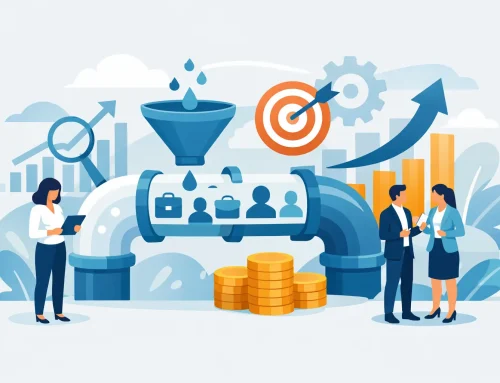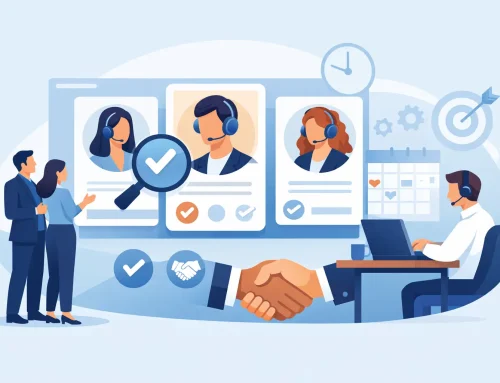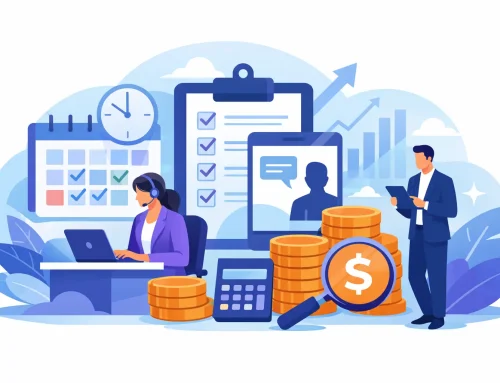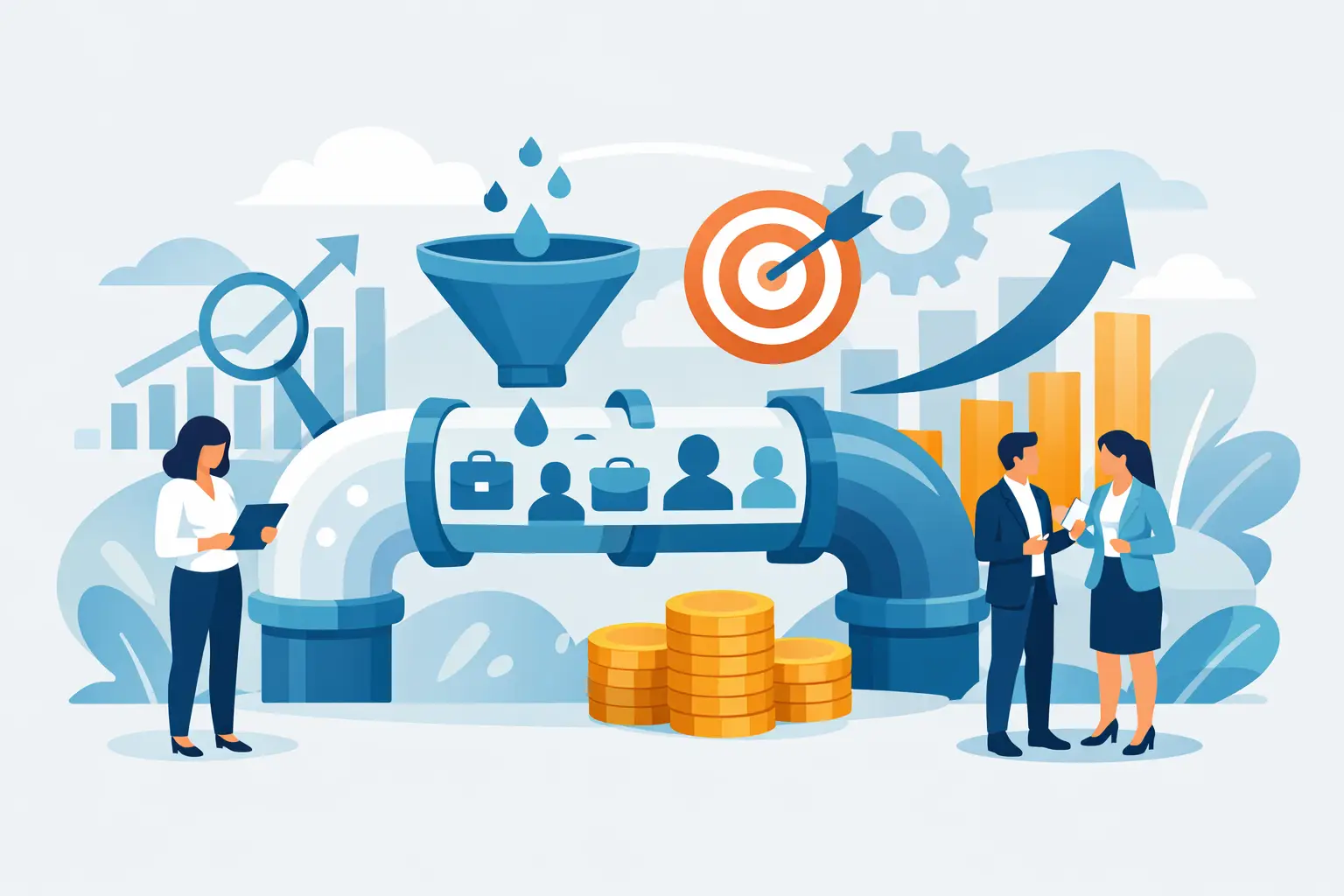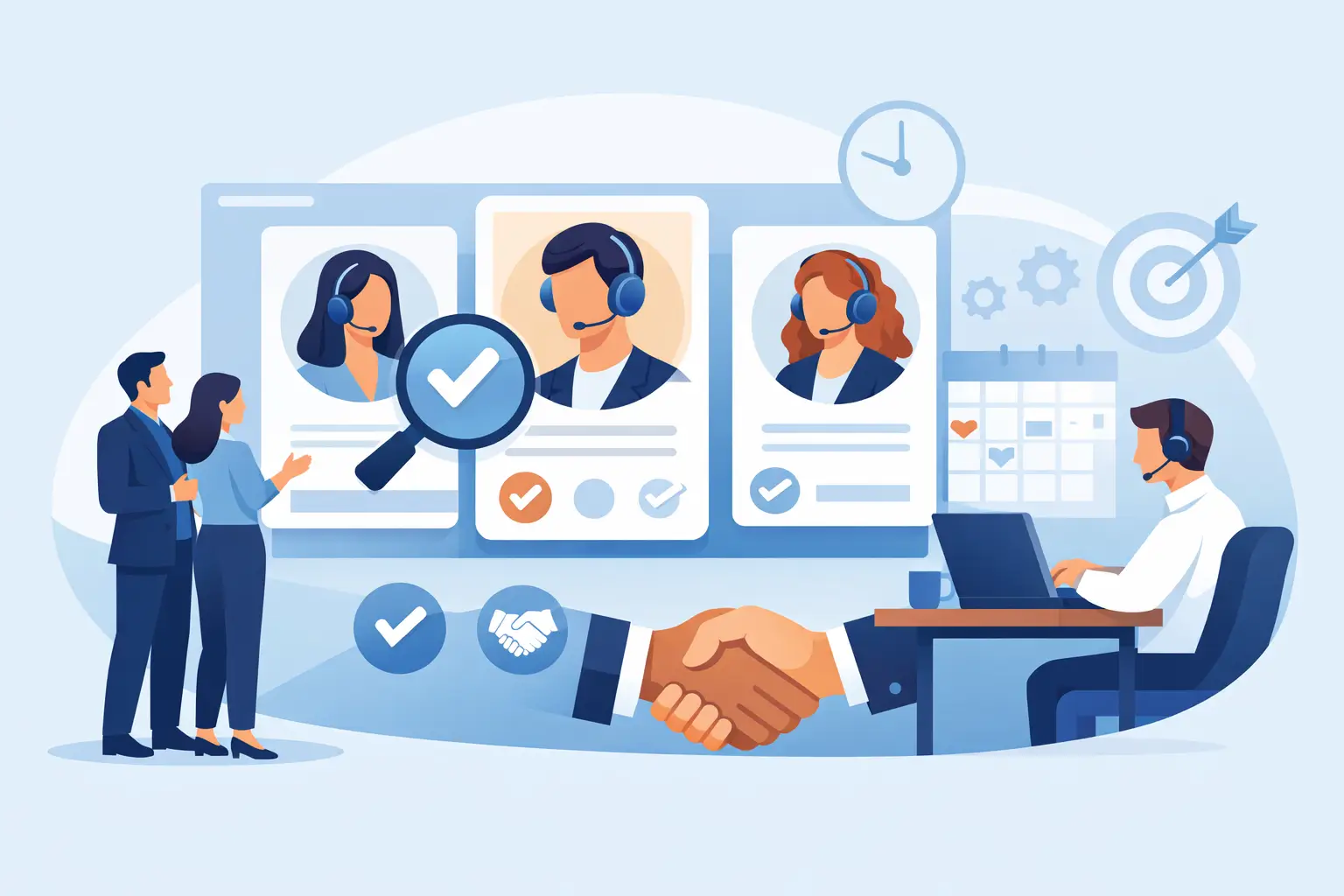
A sales rep spending Monday morning building prospect lists is not selling managed services, cloud migrations, cybersecurity assessments, or integration projects. They are doing work that should already be handled by a focused top-of-funnel engine. IT services lead generation works when it gives your closers a consistent flow of relevant conversations with accounts that have a real business reason to change.
That distinction matters. IT buyers do not respond to generic promises about better technology. They respond when outreach connects a specific operational problem – security exposure, rising infrastructure costs, outdated systems, compliance pressure, or a stalled digital initiative – to an outcome they already care about. The goal is not more contacts in a spreadsheet. It is more qualified meetings that can move through your sales process.
Why IT Services Lead Generation Often Breaks Down
Most IT services firms have a capable team and a reasonable offer. Pipeline becomes inconsistent because the prospecting process is too broad, too manual, or disconnected from what buyers are doing right now.
A common example is targeting every company within a size range that might need IT support. That produces volume, but it does not produce relevance. A healthcare organization evaluating new security controls has a different trigger, buying committee, and sales cycle than a logistics business replacing legacy infrastructure. One message cannot carry both conversations.
Another problem is relying on one channel. Email alone can work for a narrow segment with a strong message, but inboxes are crowded and IT decision-makers are cautious. Cold calling alone can create conversations, but it becomes inefficient when representatives call accounts with no fit or no active need. Paid campaigns can capture demand, but only if the offer, targeting, and speed-to-lead process are tightly managed.
The best programs combine channels around a defined account strategy. They use market signals to prioritize outreach, then create multiple relevant touchpoints before asking for a meeting.
Start With a Commercially Useful ICP
An ideal customer profile is not a broad statement such as “mid-market companies that need IT help.” It should tell your team exactly who is worth pursuing, why they are likely to buy, and which offer creates the most credible first conversation.
Build the profile around firmographics, technology environment, buying triggers, and commercial fit. For example, an MSP may prioritize 100 to 500 employee organizations with lean internal IT teams, multiple locations, compliance obligations, and aging endpoint management. A cybersecurity consultancy may focus on firms adding cloud infrastructure, hiring security leadership, preparing for audits, or responding to public signs of risk.
The more specific the ICP, the more productive your outreach becomes. Specificity also makes qualification easier. Your SDR team should know whether an account has the budget range, operational complexity, decision-maker access, and likely timeline to justify a sales meeting.
There is a trade-off. A very narrow ICP can limit early volume, while a broad ICP can dilute response rates and meeting quality. Start with the segment where your proof, case studies, and delivery model are strongest. Expand only after you understand what is converting into real opportunities.
Map the Buying Committee Before You Launch
IT services sales rarely depend on one contact. The economic buyer may be a CFO or COO. The day-to-day pain may sit with a CIO, IT director, security leader, or operations executive. In smaller companies, the owner may play every role.
Your outreach should reflect this reality. Technical stakeholders need confidence that you understand the environment and delivery risk. Executive stakeholders care more about cost control, business continuity, compliance, productivity, and the consequences of doing nothing. The account strategy should include both perspectives without sending the same message to everyone.
Use Intent Data to Find Accounts With a Reason to Talk
Timing changes outbound economics. A well-written message sent to an account researching identity management, cloud security, managed detection, ERP integration, or IT outsourcing has a better chance than the same message sent blindly to a static list.
Intent data helps identify accounts showing increased interest in relevant topics. It does not mean every signal is a ready-to-buy hand raise. Interest can come from research, vendor comparisons, internal planning, or even a student on a corporate network. Treat intent as a prioritization layer, not proof of purchase.
The operational advantage comes from combining intent with account fit. When a target account matches your ICP and shows engagement around a service you sell, it should move toward the top of the outreach queue. Add other signals where available: new executive hires, rapid growth, funding events, compliance deadlines, technology changes, mergers, job postings, and website activity.
This approach gives your team a valid reason for outreach. Instead of asking whether the prospect wants to “learn more about our IT services,” you can lead with a relevant business issue and a focused offer.
Build Multichannel Outreach Around a Clear Offer
A qualified meeting is rarely created by one touch. Most B2B IT buyers need repeated, credible contact before they reply. The sequence should be coordinated across email, phone, social engagement, paid retargeting, and targeted content where it makes commercial sense.
Each channel has a job. Email provides context and lets the prospect review the message on their schedule. Calls create direct conversation and reveal whether the timing is real. Social touchpoints build familiarity. Paid media can support account awareness or capture active demand. Webinar campaigns can work well for complex subjects such as compliance changes, AI governance, cloud cost management, and cyber risk, provided the follow-up process is immediate and disciplined.
The offer matters as much as the channel. “Let’s connect” is not a compelling reason for a busy IT executive to respond. A stronger call to action is tied to a decision they are already considering: a cybersecurity gap review, cloud cost benchmark, infrastructure assessment, compliance readiness discussion, or a comparison of internal versus managed support costs.
Keep the initial message short. Establish why the account was selected, name a relevant problem, and ask for a low-friction conversation. Do not try to explain every capability in the first email. The objective is a qualified next step, not a full proposal.
Qualify Meetings Before They Reach Sales
Booked meetings are not the same as pipeline. If your sales team receives calls with companies outside your service area, under your minimum contract value, or looking for work you do not provide, appointment volume becomes a vanity metric.
A strong qualification framework checks for fit, need, access, and timing. Does the organization match the ICP? Is there a business issue you can solve? Is the attendee involved in the decision or able to bring in the right stakeholders? Is there a plausible project window, even if it is several months out?
Not every meeting needs an immediate budget and deadline. Complex IT purchases often begin with exploration. But there should be enough evidence of relevance to justify sales time. The qualification notes should be available in your CRM before the call, along with the outreach history, account context, known technology details, and stated pain points.
This is where managed SDR execution earns its value. A trained team can protect account executives from list building, repetitive follow-up, and poor-fit meetings while maintaining a consistent process across the pipeline.
Measure the Metrics That Predict Revenue
Open rates and raw lead counts can help diagnose campaign performance, but they should not be the scorecard. Sales leaders need to see the path from target accounts to revenue.
Track contact coverage within priority accounts, positive reply rates, conversations created, qualified meetings held, sales-accepted opportunities, opportunity conversion, pipeline value, and closed revenue. Also measure show rates and disqualification reasons. If meetings are booked but not held, your reminder process or meeting value proposition may need work. If meetings are held but consistently rejected by sales, revisit the ICP, messaging, or qualification criteria.
Speed matters after a response. A prospect who requests information, attends a webinar, or engages with an ad should receive relevant follow-up quickly. Delayed handoffs waste the advantage created by buyer intent. CRM integration keeps the process visible, prevents duplicate outreach, and gives sales leadership a clear view of where performance is improving or leaking.
Turn Outreach Into a Predictable Operating System
Effective IT services lead generation is not a campaign you run when the calendar looks light. It is an operating system built around target accounts, current signals, disciplined messaging, multichannel execution, and feedback from closed-loop sales data.
Appointment Gurus helps growth-focused IT firms run that system without forcing internal sellers to become full-time prospectors. The right model should give your team transparency into targeting, activity, qualification, and pipeline outcomes while keeping your closers focused on the conversations they are best equipped to win.
Start with the service line and account segment where a sales meeting has the clearest commercial value. Prove the message, tighten the qualification standard, and scale the channels that create accepted opportunities. A predictable pipeline is built one relevant conversation at a time.