Most pipeline problems do not start at close. They start much earlier, when sales teams confuse activity with progress. That is why the distinction between appointment setting vs lead generation matters. If your team is generating names but not booking real conversations, or booking calls that never turn into opportunities, the issue is usually not effort. It is the way the top of funnel is built.
For B2B sales leaders, these two functions are related but not interchangeable. One creates potential demand. The other turns that demand into scheduled sales conversations. When companies treat them as the same thing, they overpay for weak leads, waste rep time, and end up with an unpredictable pipeline.
What appointment setting vs lead generation actually means
Lead generation is the process of identifying and attracting potential buyers who match your ideal customer profile. That can include outbound prospecting, paid campaigns, webinar registrations, content responses, form fills, data enrichment, and intent-based targeting. The output is usually a lead record, a contact, or an engaged account.
Appointment setting happens further down the process. It is the work of qualifying interest, confirming fit, handling early objections, and securing a meeting between the prospect and a closer. The output is not a name in the CRM. It is a booked sales appointment with a qualified buyer.
That distinction sounds simple, but it changes how you measure performance. Lead generation is about volume, relevance, and engagement. Appointment setting is about conversion, quality, and sales readiness. If you only measure lead count, you can miss the fact that your team is producing very little actual pipeline.
Lead generation fills the funnel
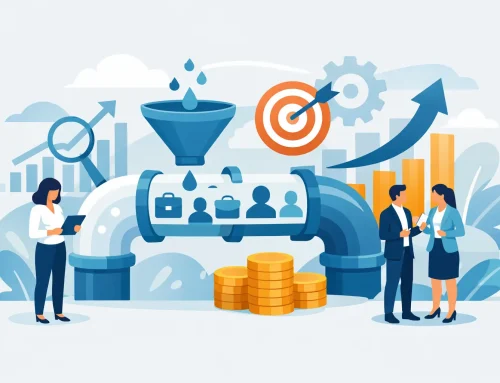
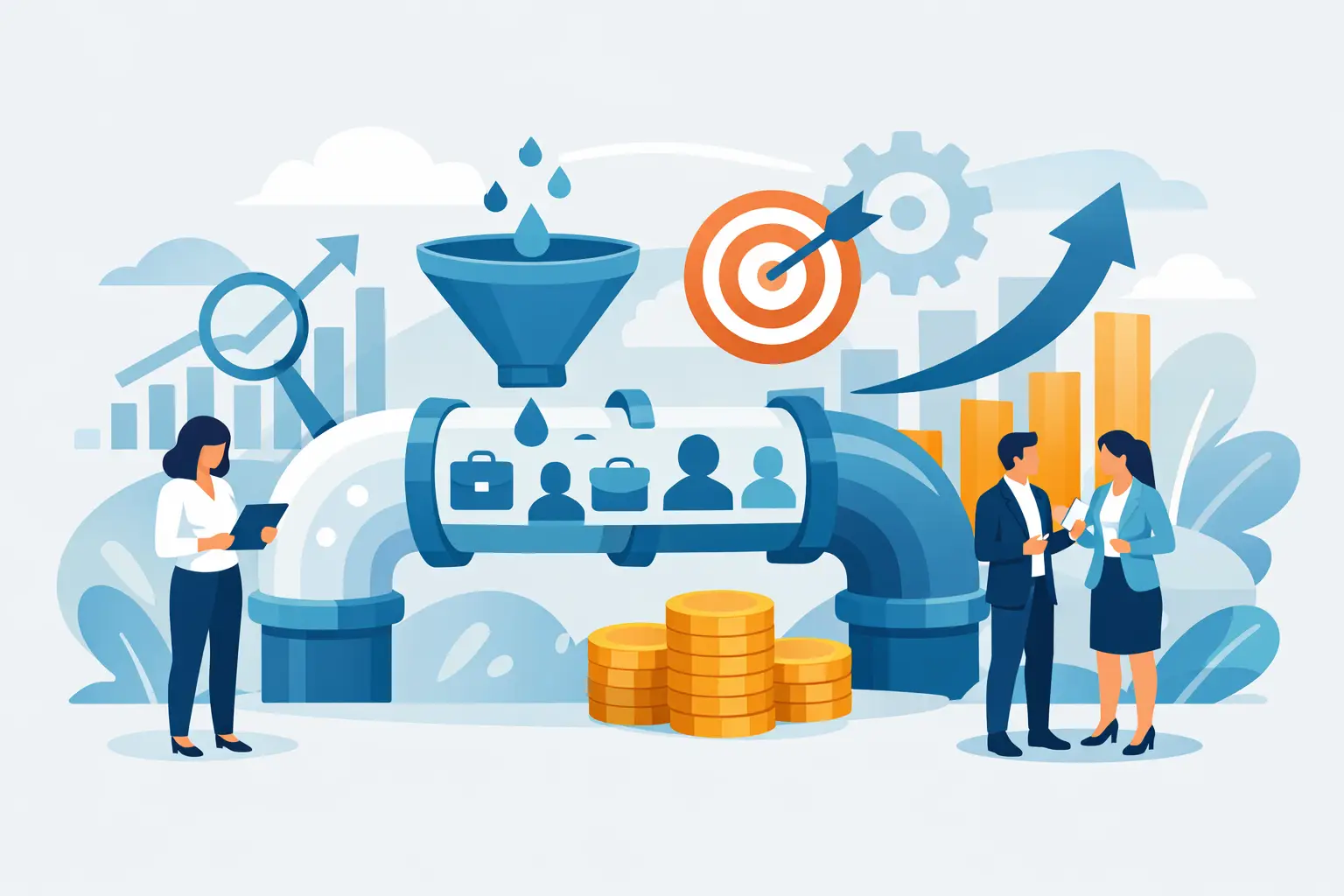
Lead generation is about creating enough target-account coverage and enough market engagement to keep your pipeline from going dry. In practical terms, that means finding companies that fit your ICP, identifying the right contacts, and reaching them through channels that match how they buy.
In B2B environments, especially in IT, finance, healthcare, and logistics, lead generation rarely works well when it is broad. Purchased lists and generic outreach might create activity, but they do not create consistent opportunity flow. The stronger model is targeted lead generation built on account selection, role-specific messaging, intent signals, and channel mix.
That channel mix matters. Some buyers respond to email. Some engage after seeing paid ads repeatedly. Some need a call. Some will only raise a hand after attending a webinar or interacting with educational content. Good lead generation does not assume one channel will do all the work. It creates multiple paths into the funnel.
The trade-off is that lead generation alone does not guarantee sales conversations. You can have a large database, strong open rates, and healthy engagement metrics while still struggling to get decision-makers onto the calendar.
Appointment setting turns attention into meetings
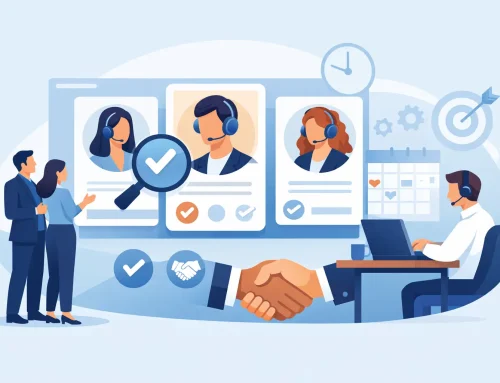
Appointment setting takes the strongest signals from lead generation and moves them toward a live sales conversation. That requires more than sending a calendar link. It means verifying timing, budget context, use case, authority, and urgency at a level that makes the meeting worth a closer’s time.
In a lot of organizations, this is where the funnel breaks. Marketing hands over leads. Sales expects qualified opportunities. Nobody owns the middle. As a result, reps spend time chasing contacts that are curious but not ready, or they reject leads too quickly because the handoff lacks context.
A disciplined appointment setting process closes that gap. It follows up fast, qualifies consistently, and keeps messaging aligned with the actual problem the buyer is trying to solve. That is especially valuable when you are selling into busy mid-market or enterprise accounts where timing and relevance matter more than raw volume.
The benefit is operational. Closers get meetings with real context. Sales cycles start cleaner. Forecasting improves because meetings are tied to defined qualification standards instead of vague lead status changes.
Why companies confuse the two
A lot of vendors use the terms loosely because it makes their offer sound bigger. A lead gen provider may promise meetings when they really deliver contact lists and outreach activity. An appointment setting partner may claim pipeline generation while relying on weak targeting upstream.
Internally, the confusion usually comes from reporting. If marketing is rewarded for MQL volume and sales development is rewarded for meeting count, both teams can hit their numbers while revenue still misses. Leads may be too early. Appointments may be too weak. The system looks busy, but the output is fragile.
That is why the better question is not which function is more important. It is which bottleneck is limiting growth right now.
When lead generation should be the priority
If your team does not have enough target accounts, enough contact coverage, or enough inbound and outbound engagement to feed the funnel, lead generation has to come first. Appointment setting cannot create meetings from a market you are not reaching.
This is common for firms entering a new vertical, expanding territory, launching a new offer, or trying to reduce reliance on referrals. The issue is not calendar conversion. It is insufficient market penetration.
In that situation, your focus should be on ICP definition, account list quality, data accuracy, channel strategy, and message testing. You need enough signal volume to identify who is actually in market. Without that foundation, appointment setting teams end up recycling too few prospects.
When appointment setting should be the priority
If you already have lead flow but your reps are still complaining about weak pipeline, the problem is often qualification and conversion. You may be generating interest, but not turning it into booked conversations with the right buyers.
That usually shows up as slow follow-up, inconsistent qualification, no-shows, low attendance rates, or meetings with people who cannot drive a purchase decision. In these cases, more leads are not the answer. Better appointment setting is.
The strongest programs use defined qualification criteria, rapid response, structured outreach sequences, and CRM visibility so no prospect disappears between stages. This is where managed SDR support can outperform internal teams that are already overloaded with prospecting, admin, and closing support.
The best-performing teams do not choose one
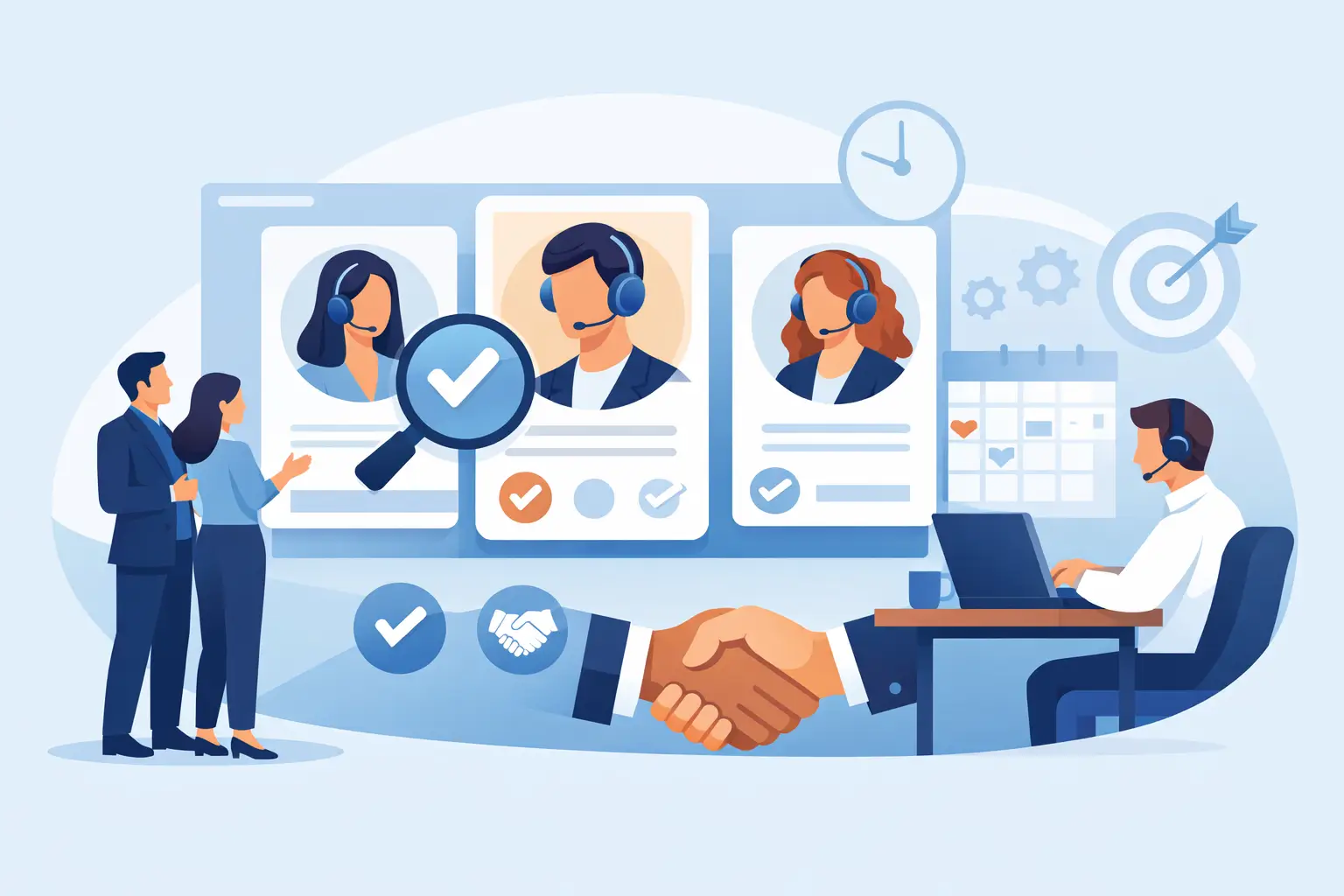
For most B2B companies, appointment setting vs lead generation is not an either-or decision. It is a sequencing and systems decision. Lead generation creates the right opportunities to engage. Appointment setting converts that engagement into sales meetings. Remove either piece, and performance drops.
A weak lead generation engine starves the calendar. A weak appointment setting function wastes good demand. The best results come from connecting both under one operating model with shared targeting, shared messaging, and shared reporting.
That means your data, outreach, qualification, and CRM workflows should work as one revenue process, not as isolated activities owned by different teams with different definitions of success.
What good looks like in practice
A strong top-of-funnel engine starts with a narrow ICP, not a massive list. It uses intent and firmographic signals to prioritize accounts that are more likely to buy. It deploys multichannel outreach so buyers see consistent messaging across email, phone, paid media, and other touchpoints. Then it routes responses into an appointment setting process that qualifies thoroughly before the meeting is booked.
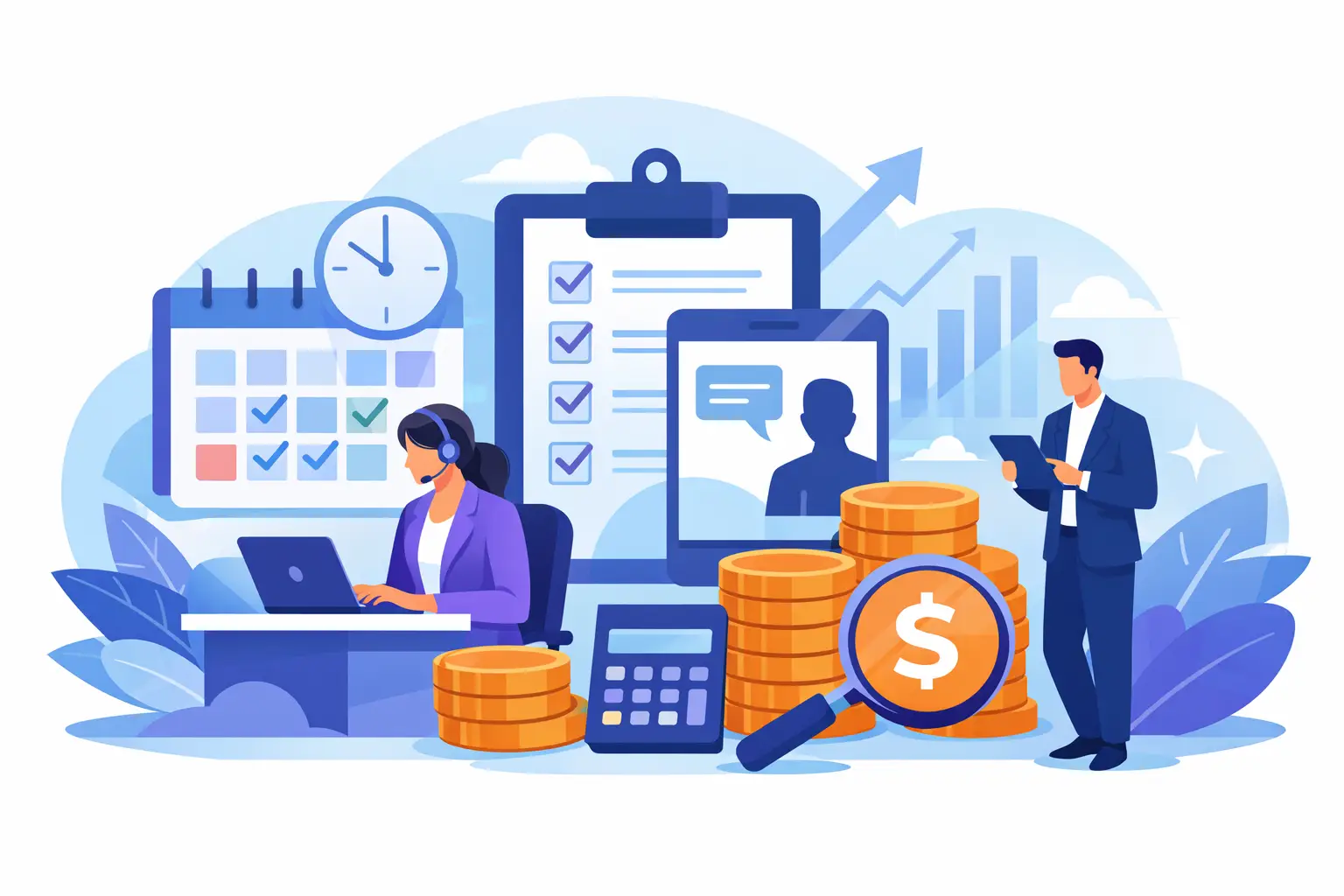
Just as important, it measures the right things. You should track not only lead volume and meeting count, but also show rate, sales-accepted meeting rate, opportunity creation, pipeline value, and downstream close performance. If the meetings are not converting, the problem is not solved.
This is where outsourced execution can make sense. A managed partner can combine list building, intent-based prospecting, SDR outreach, AI-assisted calling, and appointment setting into one accountable system. For companies that need results without building a full internal outbound function, that model reduces management overhead and speeds time to pipeline.
Appointment Gurus operates in that lane by combining top-of-funnel targeting with managed appointment setting built around qualified meetings, not vanity metrics.
How to decide what your business needs now
Start by looking at where deals are stalling. If your closers do not have enough conversations, inspect lead volume and account coverage. If they have calendars full of weak meetings, inspect qualification and appointment standards. If both are inconsistent, your issue is not a single tactic. It is the entire front-end revenue engine.
Be honest about internal capacity too. Many sales teams say they need more leads when what they actually need is relief from manual prospecting and follow-up. Others ask for more meetings when their targeting is too broad to support quality. The fix depends on the constraint.
The right model is the one that gets your sales team in front of buyers who fit, have interest, and are ready for a real conversation. That is the outcome that matters. Everything else is support work.
If your pipeline has become too dependent on luck, this is the place to get more disciplined. Build lead generation to create the right demand. Build appointment setting to convert that demand into qualified sales meetings. When those two functions work together, pipeline stops feeling random and starts becoming something you can actually manage.